Every August for as long as most Redondo Beach families can remember, the question has been the same: how many more weekends do we have before Seaside Lagoon closes for the season. This year the question underneath that question is different, and most people asking it don't know it yet. When the gates shut after Labor Day on September 7, the lagoon isn't just going dark for the winter the way it always has. It's going dark for a rebuild that will keep it closed through the entire summer of 2027, with the city aiming to have it running again in time for the 2028 BeachLife Festival.
That's not a seasonal pause. That's a facility South Bay kids have grown up swimming in for generations, gone for the better part of two years.
What August 30 Actually Marks
The city and a group of local partners are throwing a send-off called One Last Splash, an End of Summer Beach Bash at Seaside Lagoon on Sunday, August 30, from 11 a.m. to 3 p.m., with live music, crafts, a photo booth, and food trucks. The event listing describes the gathering as a send-off ahead of the seasonal closure and renovations.
The seasonal closing on Labor Day is the immediate marker; construction is scheduled to begin the following spring, extending the closure through summer 2027. For a facility that has opened every Memorial Day and closed every Labor Day for generations, that's a break in a rhythm residents have never had to think about before.
The Part That Isn't a Cosmetic Fix
It would be easy to assume this is the kind of touch-up the lagoon has absorbed before, new paint, a patched slide, a restroom refresh. As Easy Reader News reported, the plan the Redondo Beach City Council approved this spring is a different order of change: it replaces the water system itself.
Right now, Seaside Lagoon works the way it always has. Ocean water is drawn from about 50 feet deep off the breakwater, routed through the AES steam plant next door to cool the turbines, then piped under the street, chlorinated on the way in, and de-chlorinated on the way back out to the harbor. It's a clever piece of engineering and it's also, according to city officials, expensive and hard to maintain. The council's approved design scraps that entire loop in favor of a recirculated, filtered system that no longer depends on the ocean or the power plant next door.
The physical lagoon changes too. It will shift north, though it stays inside the current fenced footprint, and its depth will settle at five feet over a concrete liner covered in sand, rather than the open sand bottom generations of swimmers know. A lap pool that residents had pushed for during years of community meetings didn't make the final cut. It would have required its own separate fencing and restrooms, and the council decided that was more than the budget could carry. City Manager Mike Witzansky told the council the approved scope is what the city can reasonably afford to build in the near future, closing out a conversation he said has been going on for twenty years.
None of this is happening in isolation. Seaside Lagoon has been identified as the first major project to move from design into construction under the King Harbor Public Amenities Plan, the city's broader framework for the waterfront that the council adopted back in October 2022.
Why Now, Specifically
Two pressures pushed this from planning-document theory into an actual construction schedule this year. The ocean-fed system has recurring water-quality issues. City officials have described paying fines that have averaged roughly $200,000 a year for discharge from the lagoon back into the ocean, and last year a pump failure forced a two-week shutdown during peak season and produced a $175,000 state environmental fine, later negotiated down.
Money to actually act on the plan also arrived. The state awarded the city a $10 million grant toward the rehabilitation, and the total project cost is now estimated at $11 million. That's the kind of funding that turns a twenty-year conversation into a bid package.
There's a wrinkle worth knowing about if you follow local politics even loosely. Measure C, the 2017 voter-approved measure protecting waterfront uses, requires the city to maintain the lagoon or replace it with an equivalent facility, same water surface area, same beach, same amenities, and explicitly bars turning it into an open-water beach connected to the harbor. The design that first came back to the council didn't meet that bar, according to the measure's original author, and got revised before the version that's now approved. Whether the final build fully satisfies Measure C's equivalence standard is still a live question some residents are asking publicly, which means the design as approved may not be the last word before the Coastal Commission weighs in.
What the Calendar Actually Looks Like
Here's the timeline as the city has laid it out. Construction is set to begin around April 2027, running roughly ten months. That means there is no summer 2027 season at Seaside Lagoon at all, the first time in decades the lagoon will sit empty through the months it's normally busiest. The target is to have the rebuilt lagoon ready for the May 2028 BeachLife Festival, which has used the site as a venue in past years.
So the arithmetic for anyone who treats a summer afternoon at the lagoon as a fixed part of South Bay life: this year's closing weekend is the last ordinary one. Next year there won't be a season to look forward to. The one after that is the earliest realistic reopening, and even that target assumes construction stays on schedule.
What Still Works While the Lagoon Is Dark
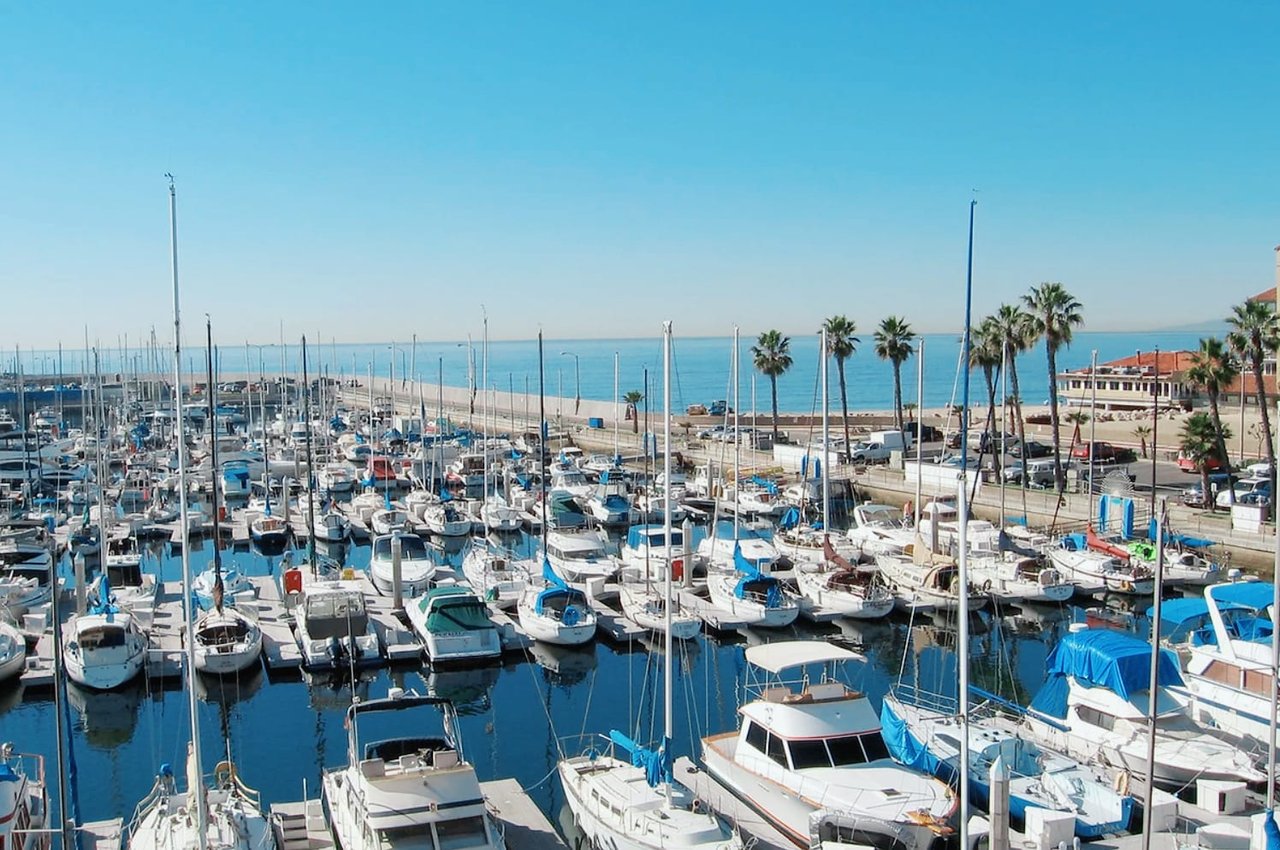
King Harbor doesn't go quiet just because its saltwater centerpiece does. The sandy stretch a short walk south, along International Boardwalk, stays open the way it always has, and the harbor's marinas, fishing charters, and waterfront restaurants keep running on their normal calendars. Captain Kidd's, the fish market and restaurant that sits closest to the lagoon gates, will still be the easiest bite to grab before or after a harbor walk. None of the businesses that give King Harbor its daily texture depend on the lagoon being open.
What changes is simply that families who've built a summer routine around the lagoon's specific mix of calm, heated saltwater and a shallow, guarded swimming area will need a different plan for 2027. Redondo County Beach, just steps away, is the obvious fallback, though it comes without the lagoon's protected, wave-free water.
The Thing Worth Sitting With
The story most people will hear this fall is that Seaside Lagoon closed for renovations, the same phrase used for a dozen minor projects around the harbor over the years. The more accurate version is that the lagoon as it has existed since the steam plant first started feeding it seawater is ending this Labor Day, and what reopens in 2028 will be a different piece of infrastructure inside the same fence: filtered and recirculated instead of ocean-fed, moved several yards north, five feet deep over sand-covered concrete instead of an open sand bottom, and without the lap lanes people spent two decades asking for.
That's worth knowing before August 30, not after.
If you're weighing what a summer without the lagoon means for how your household uses King Harbor, or you're simply curious how a project like this tends to affect property values and buyer interest in the surrounding Redondo Beach neighborhoods once construction wraps, the Jen Caskey Group has been tracking South Bay waterfront changes like this one for three decades. Get Your Home Valuation and we'll walk you through what it's actually worth right now.
This article is general information, not legal, tax or financial advice. Consult a qualified professional about your situation.