If you picture Redondo Beach as just a pretty place to visit, you may be missing what makes it so appealing to live in. Daily life here is shaped by the water, but it is also grounded in routines, local gathering spots, and distinct neighborhood pockets that each feel a little different. If you are considering a move, this guide will help you understand how coastal living in Redondo Beach actually plays out from one day to the next. Let’s dive in.
Why the waterfront shapes daily life
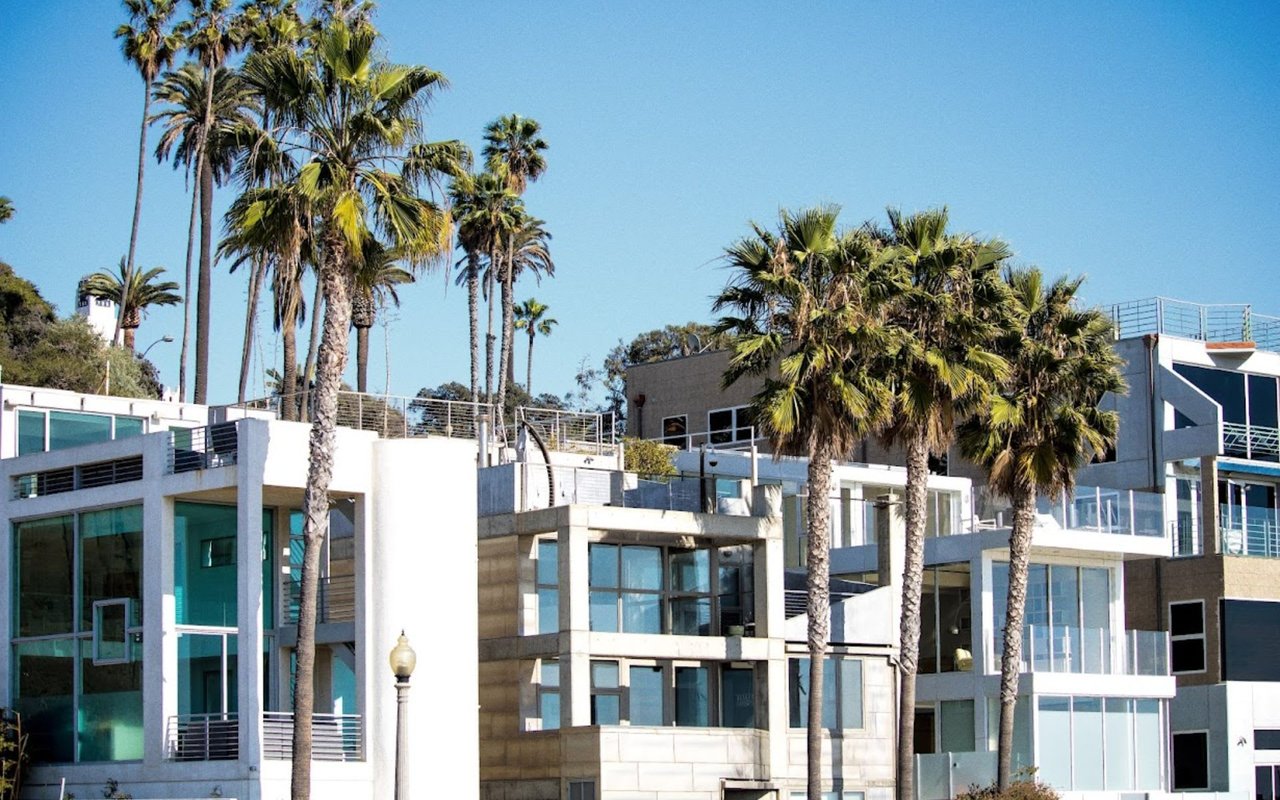
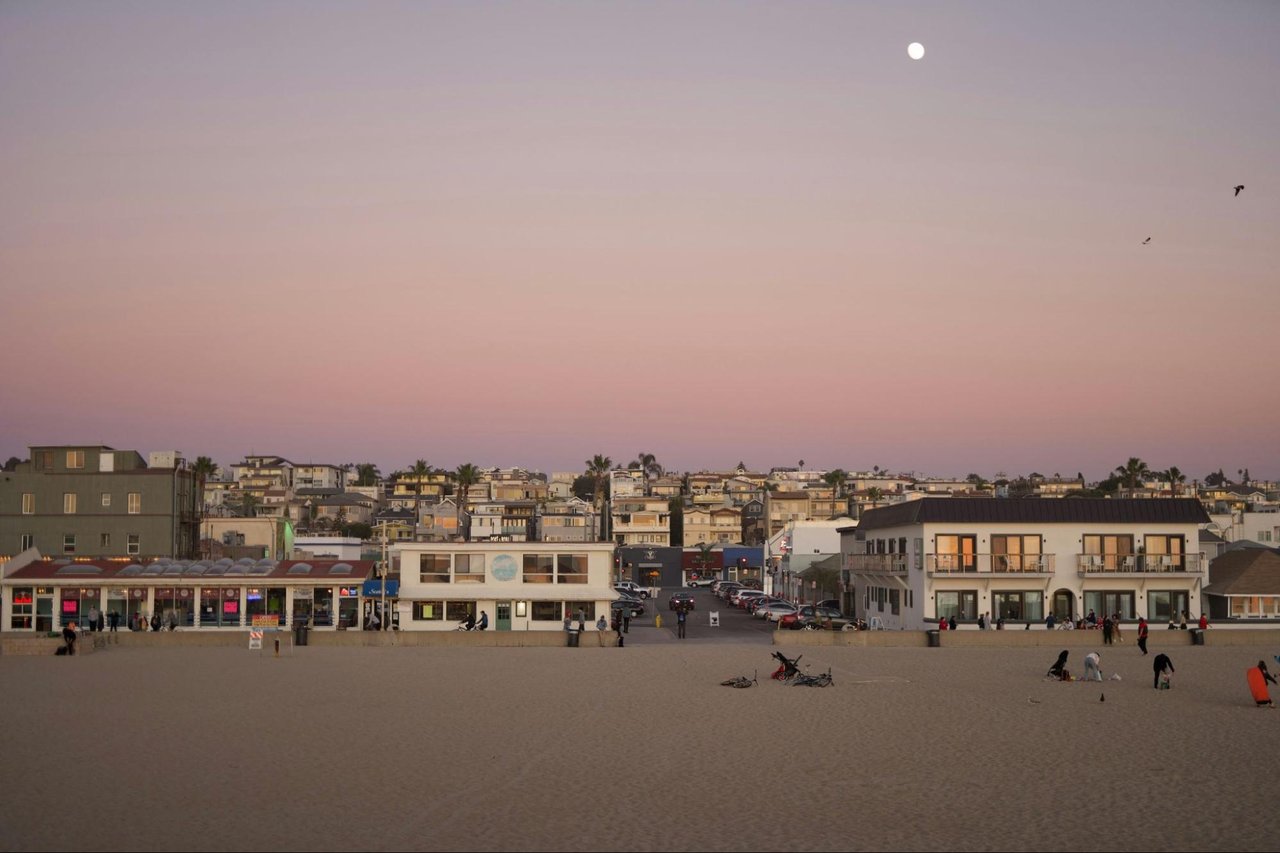
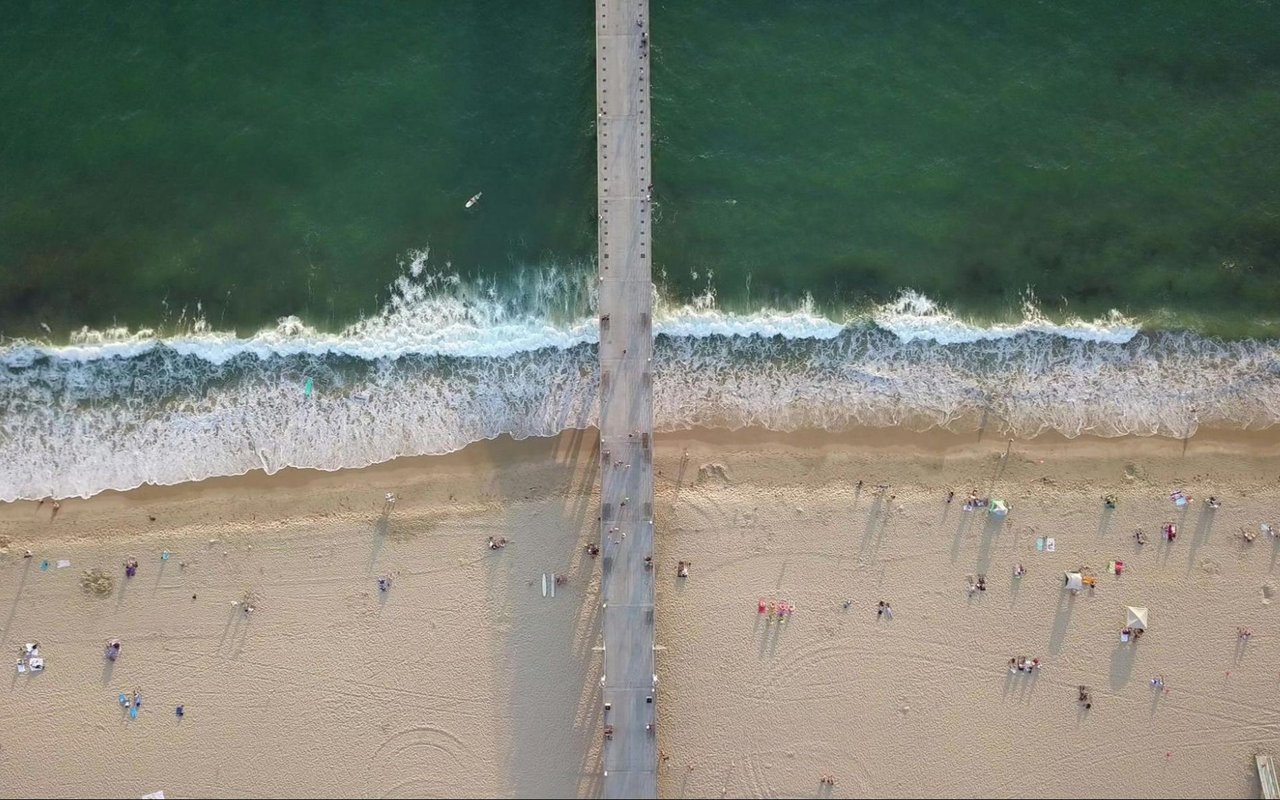
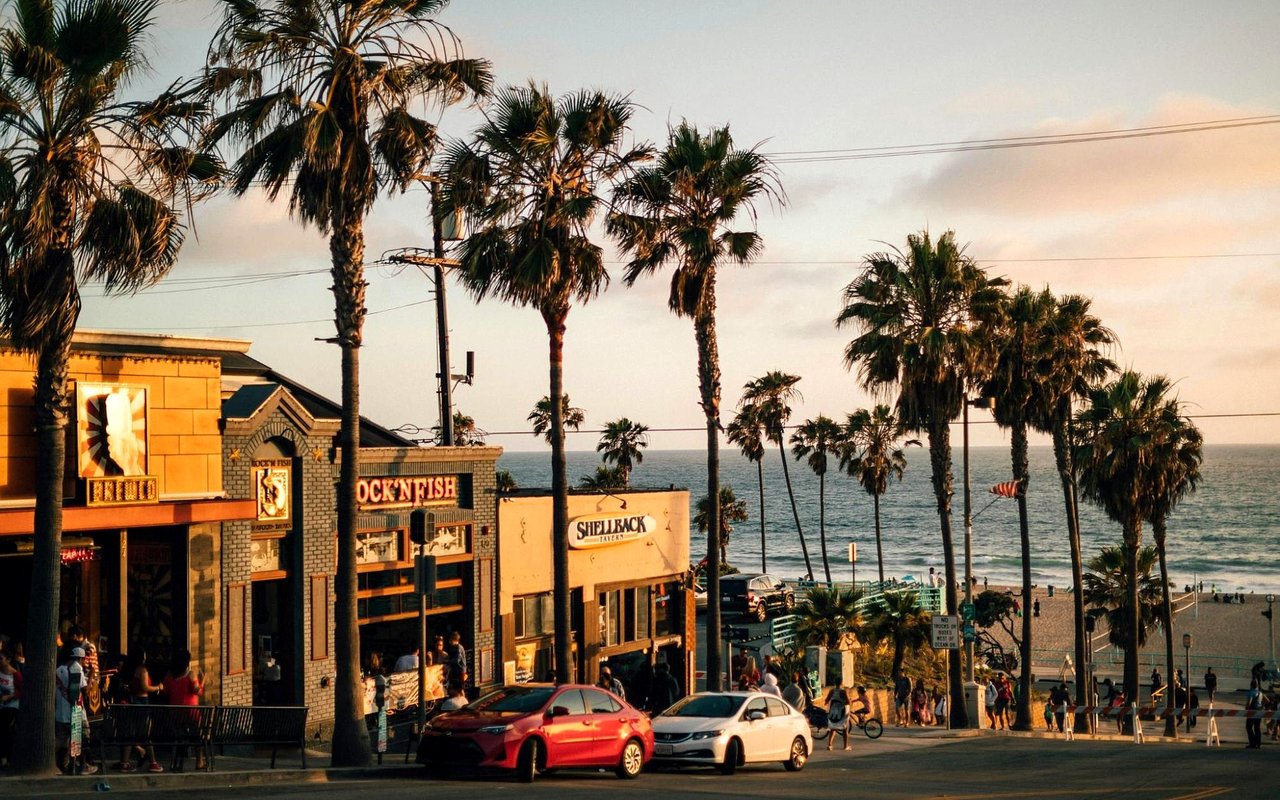
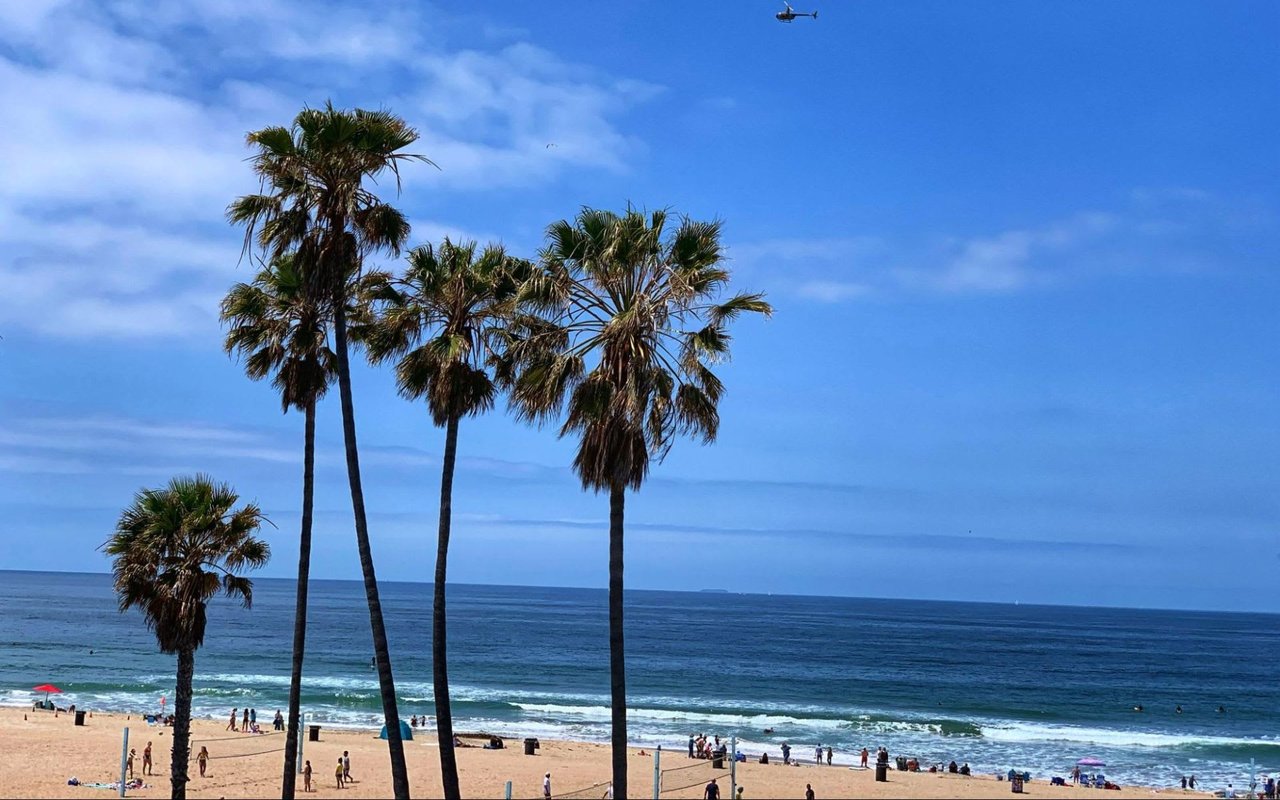
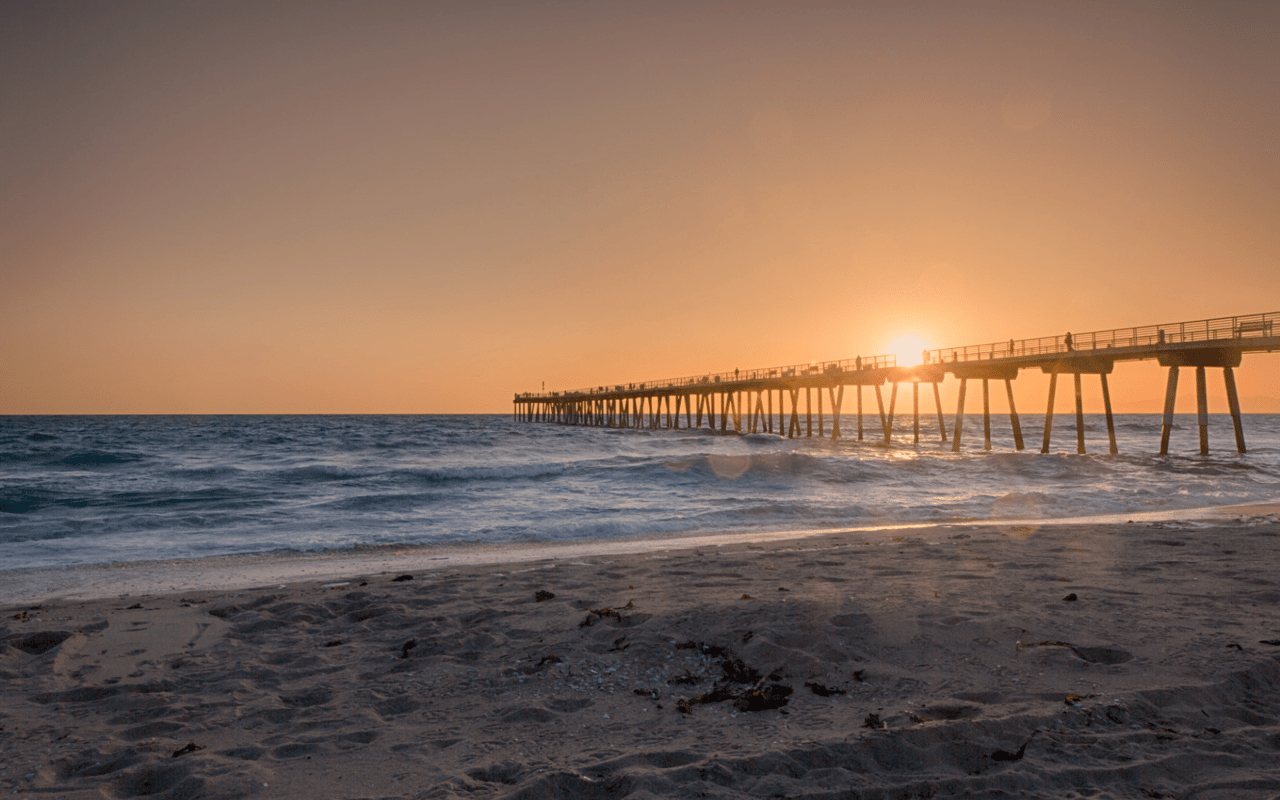
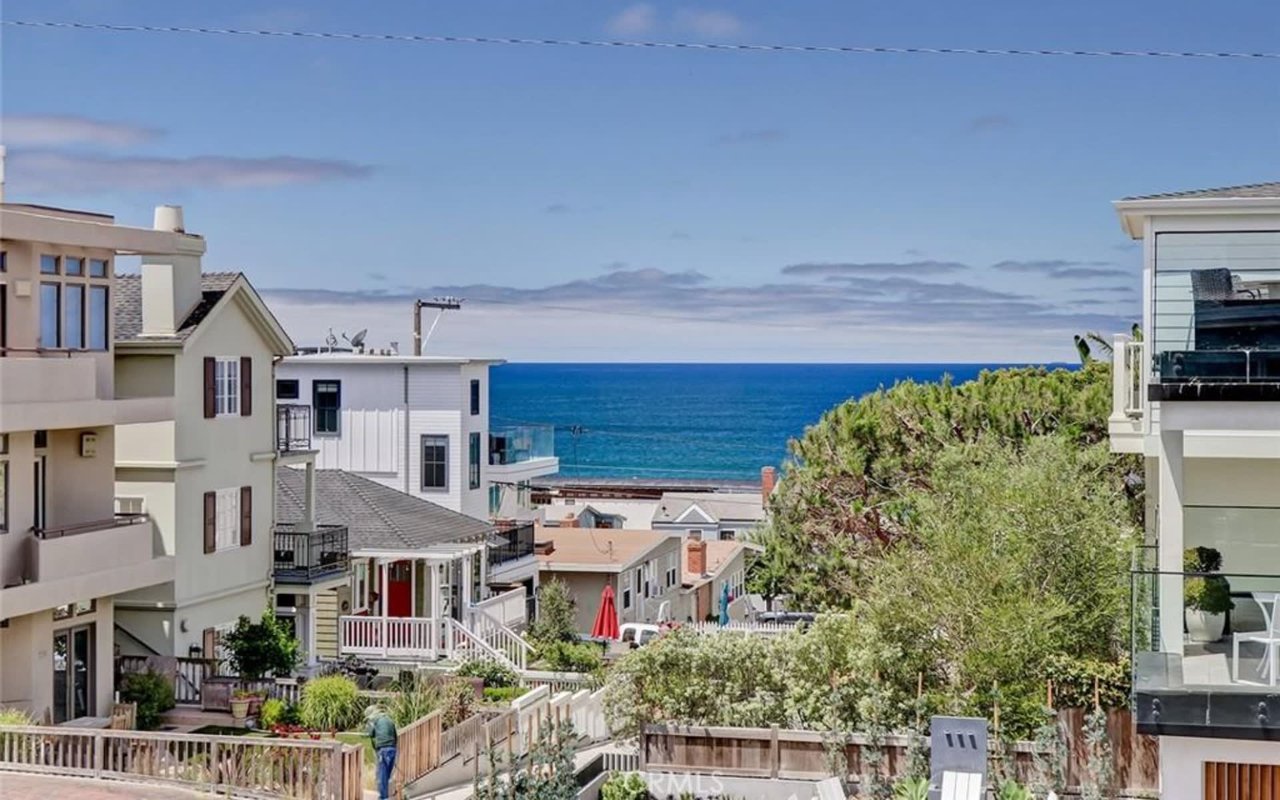
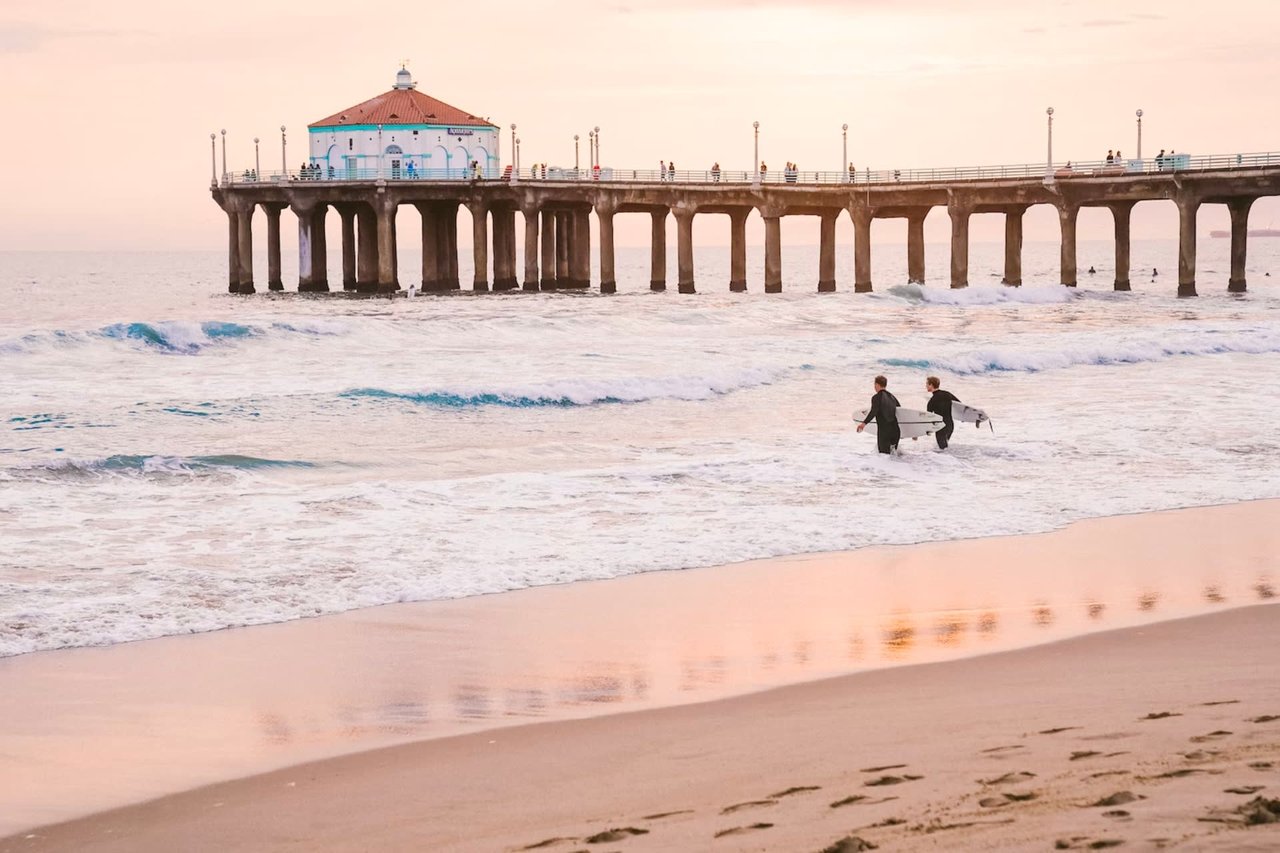
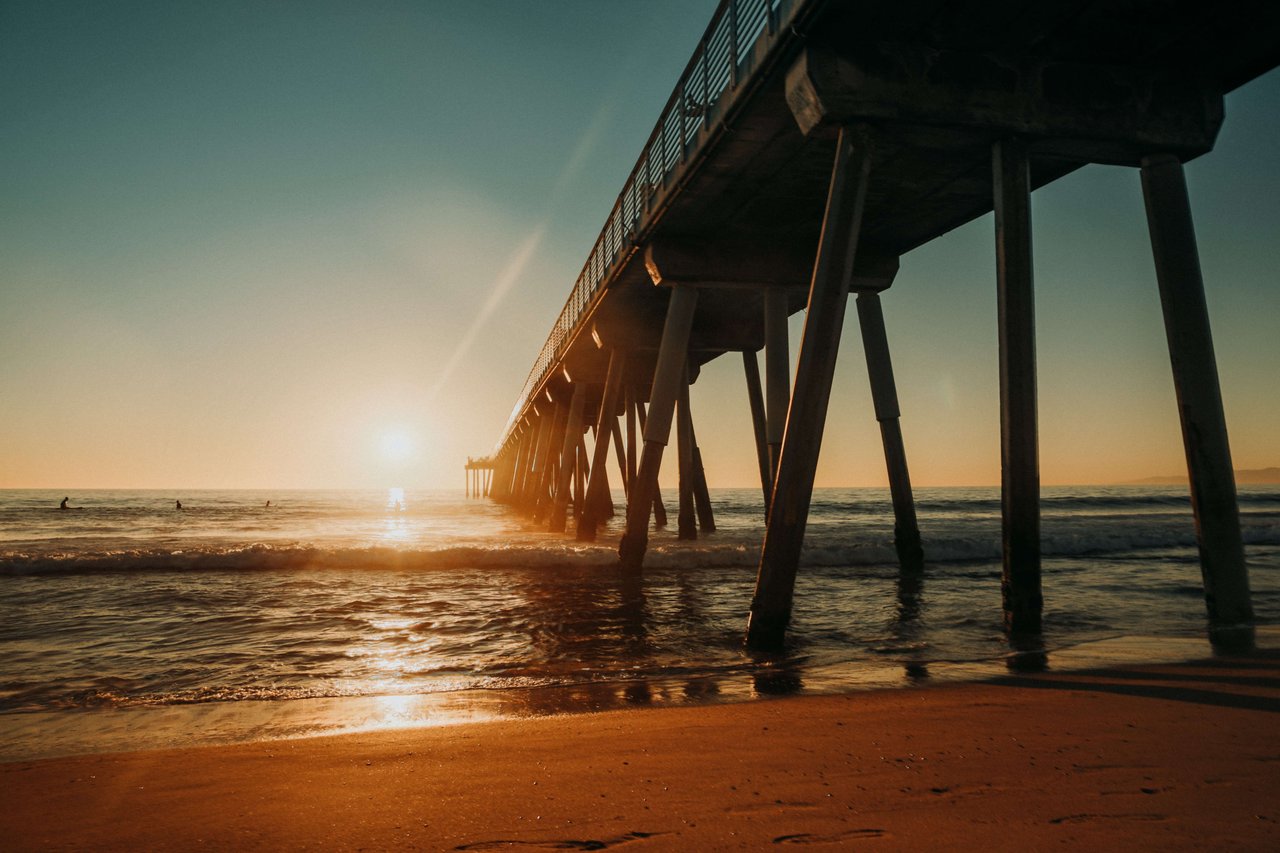
In Redondo Beach, the shoreline is not just a backdrop. The city describes about two miles of beach frontage, along with an active harbor, fishing pier, and a park and recreation system that supports regular public use. That means the coast shows up in everyday routines, not only on weekends.
Los Angeles County describes the managed beach stretch as running south from the Redondo Beach Pier to Torrance Beach, with parking, showers, restrooms, volleyball nets, and access for swimming, surfing, and windsurfing. In practical terms, that gives you a waterfront that is built for frequent use. It is easy to see why many residents naturally organize their mornings, workouts, or downtime around the beach.
The Strand and Esplanade routine
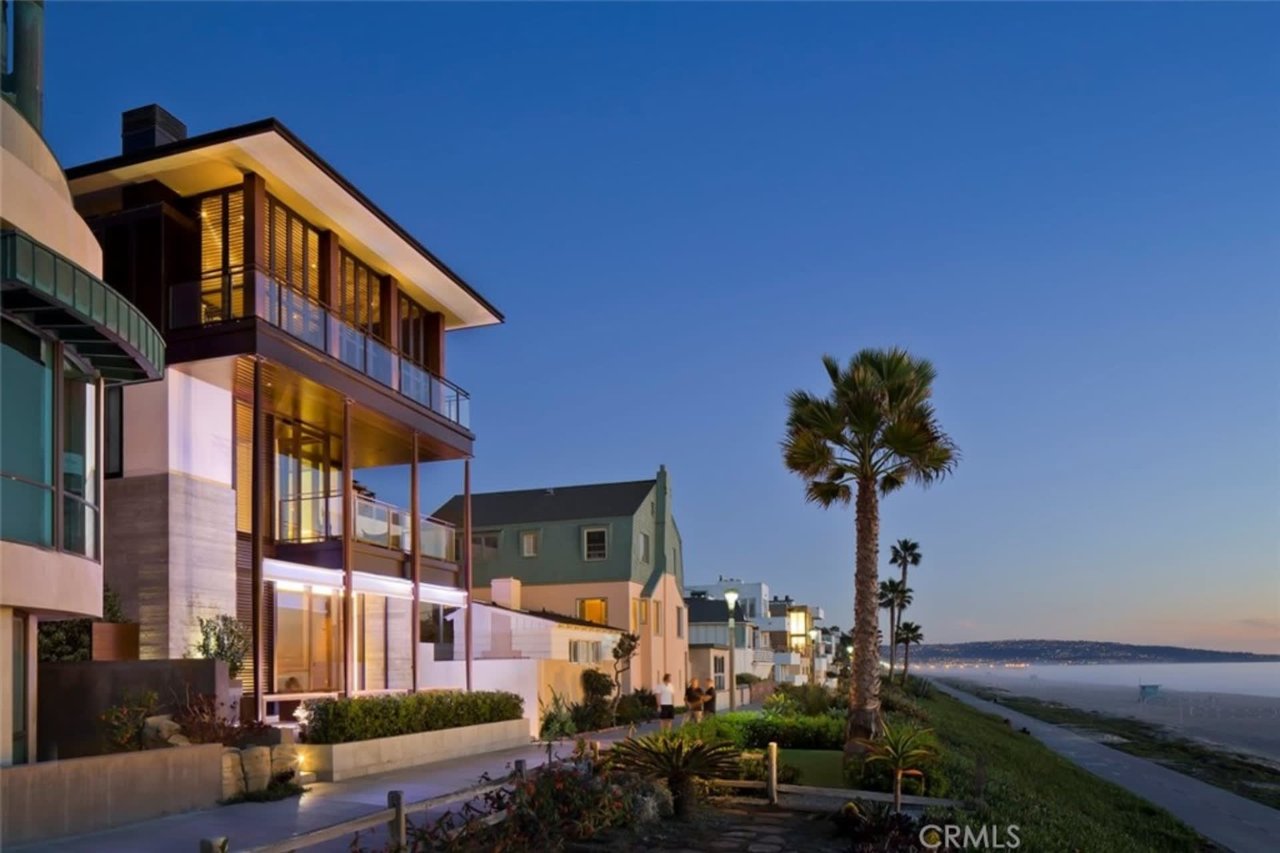
One of the clearest examples of everyday coastal living is The Strand and the Esplanade. City materials describe The Strand as a route used by people walking, biking, skateboarding, rollerblading, using wheelchairs, and pushing strollers. It extends from South Redondo north toward Santa Monica, with a brief interruption around the King Harbor Marina and Pier complex before continuing again in Hermosa Beach.
That variety matters because it reflects how flexible the waterfront is in daily life. You can head out for an early walk, a bike ride, or a casual sunset stroll without needing a big plan. For many people, that kind of easy access becomes one of the biggest lifestyle benefits of living here.
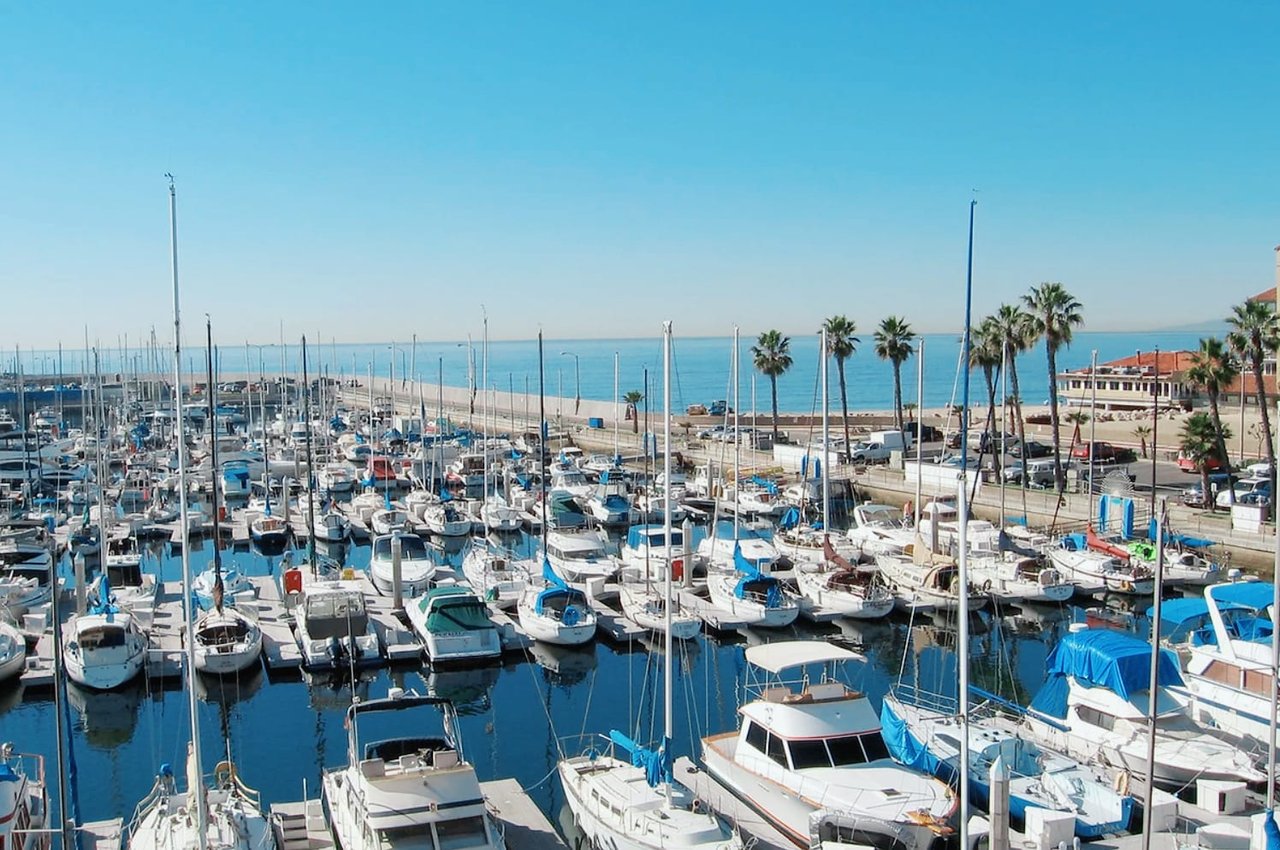
King Harbor adds activity
King Harbor expands the coastal experience beyond the sand. Local materials highlight kayaking, stand-up paddle boarding, sailing, surfing, fishing, and whale watching, along with biking on the scenic Esplanade or the well-known 22-mile strand. The harbor is also described as being just minutes south of LAX, which adds convenience for people balancing travel with a coastal home base.
If you are the type of buyer who wants the water to be part of your routine, not just your view, this is an important detail. Redondo Beach offers multiple ways to interact with the coast depending on your pace and interests.
The pier is a year-round hub
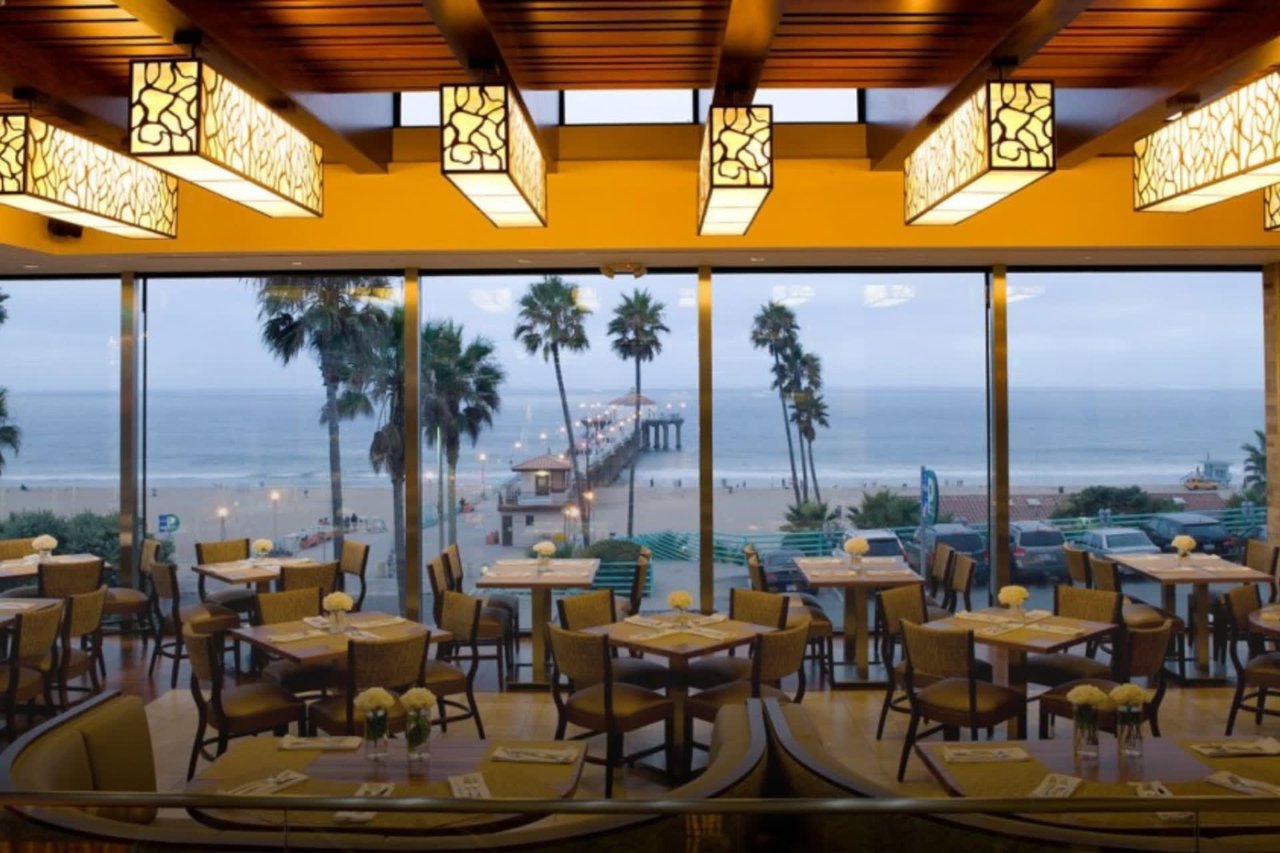
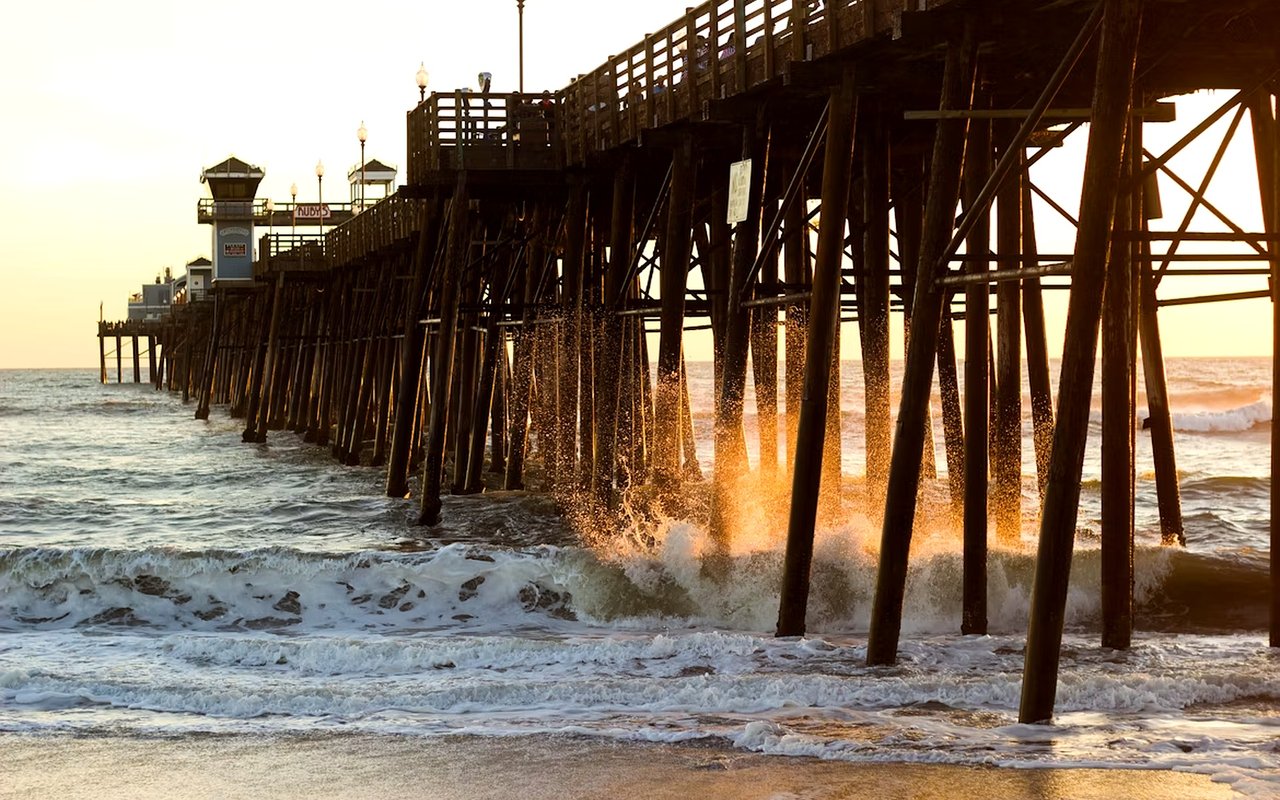
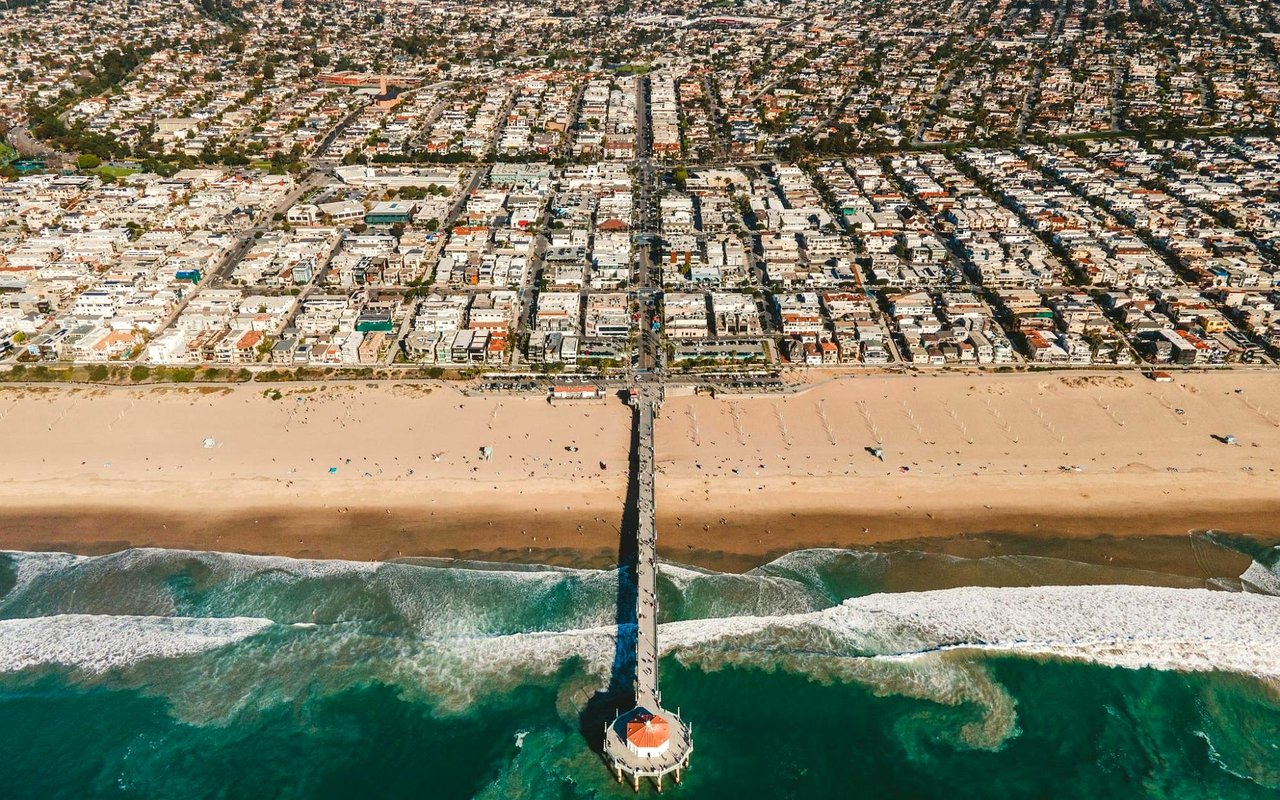
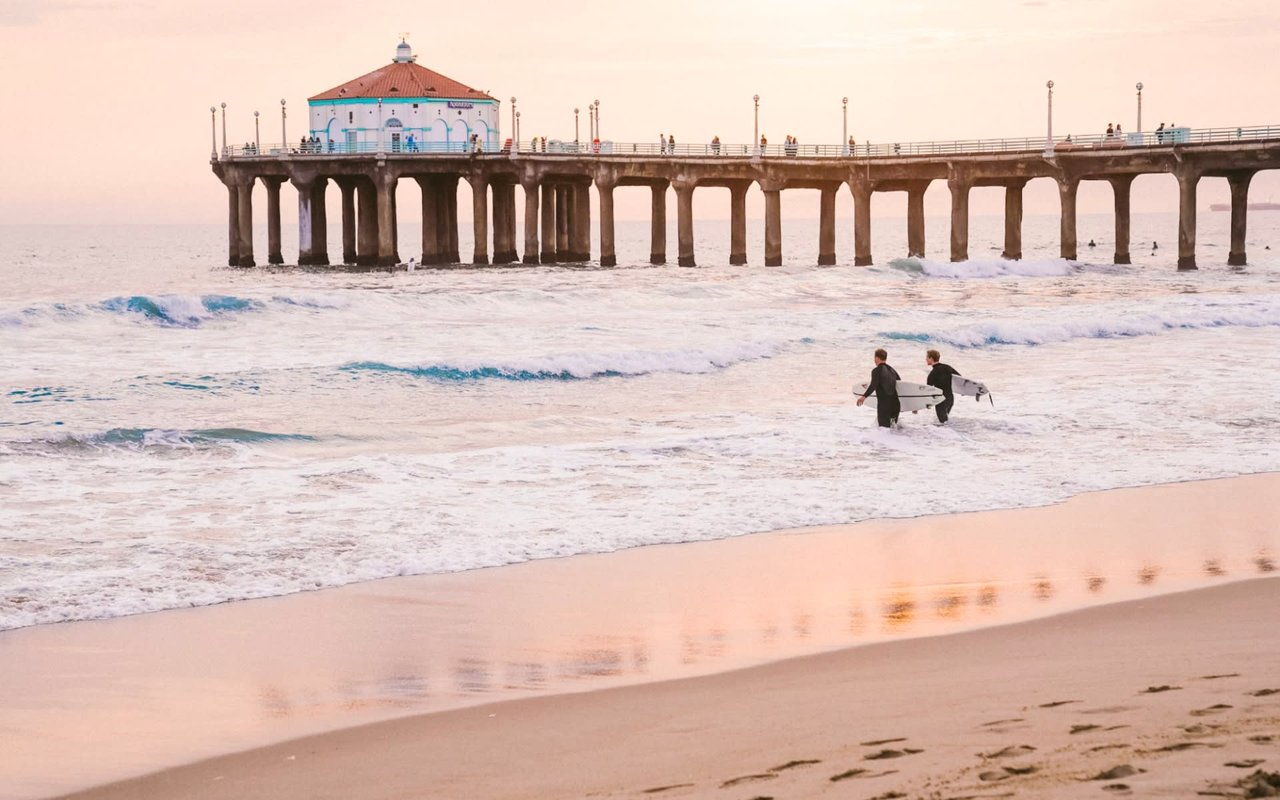
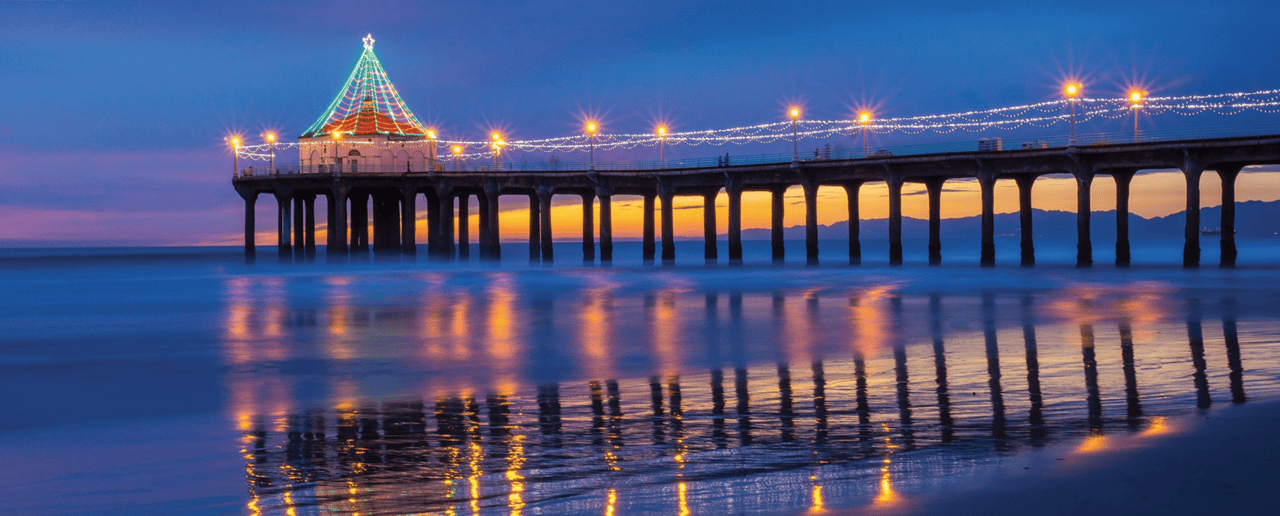
The pier area is one of the city’s most visible gathering points. City materials describe the marina, harbor, and pier complexes as planned centers of activity with restaurants, bars, smaller shops, and an arcade. That mix gives the waterfront energy beyond beach hours.
It also helps explain why the area feels active throughout the year. According to the Redondo Pier Association, the event calendar typically includes a free summer concert series, a long-running kite festival, a classic car show, Halloween and holiday events, and yoga meet-ups. So while summer is naturally busier, the pier remains part of the community rhythm in every season.
A practical weekly tradition
Redondo Beach also has a recurring weekday touchpoint right on the coast. The farmers market at 309 Esplanade takes place on Thursdays from 8 a.m. to 1 p.m. For residents, that adds one more reason the waterfront feels woven into normal life rather than reserved for special occasions.
A realistic week in Redondo might include a morning walk on the Esplanade, time on the harbor, dinner in a neighborhood business district, and a stop at the market or pier. That pattern is part of what makes the city feel lived-in rather than purely resort-like.
South Redondo, North Redondo, and Riviera Village
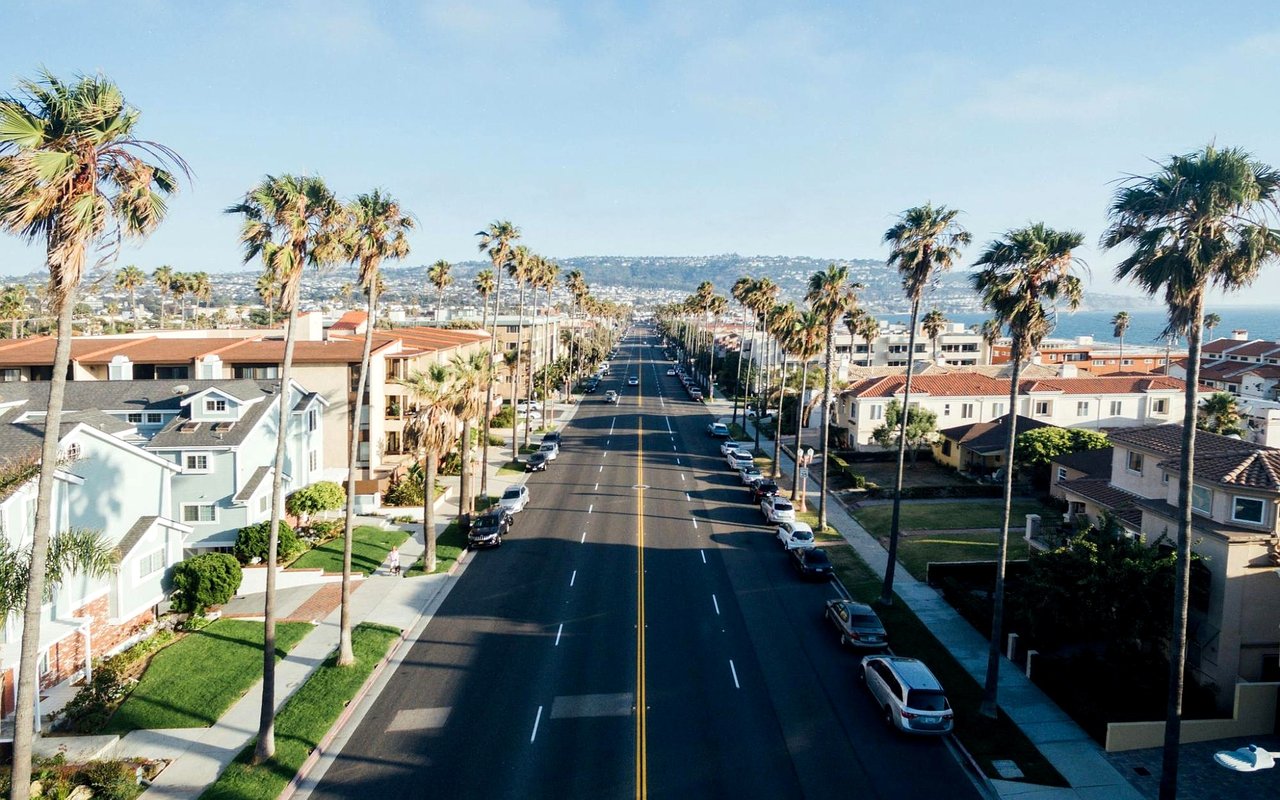
One of the most useful things to understand before moving is that Redondo Beach does not feel the same everywhere. City budget materials divide the city at 190th Street, and that distinction helps explain the different lifestyle patterns within Redondo.
South Redondo feels closest to the coast
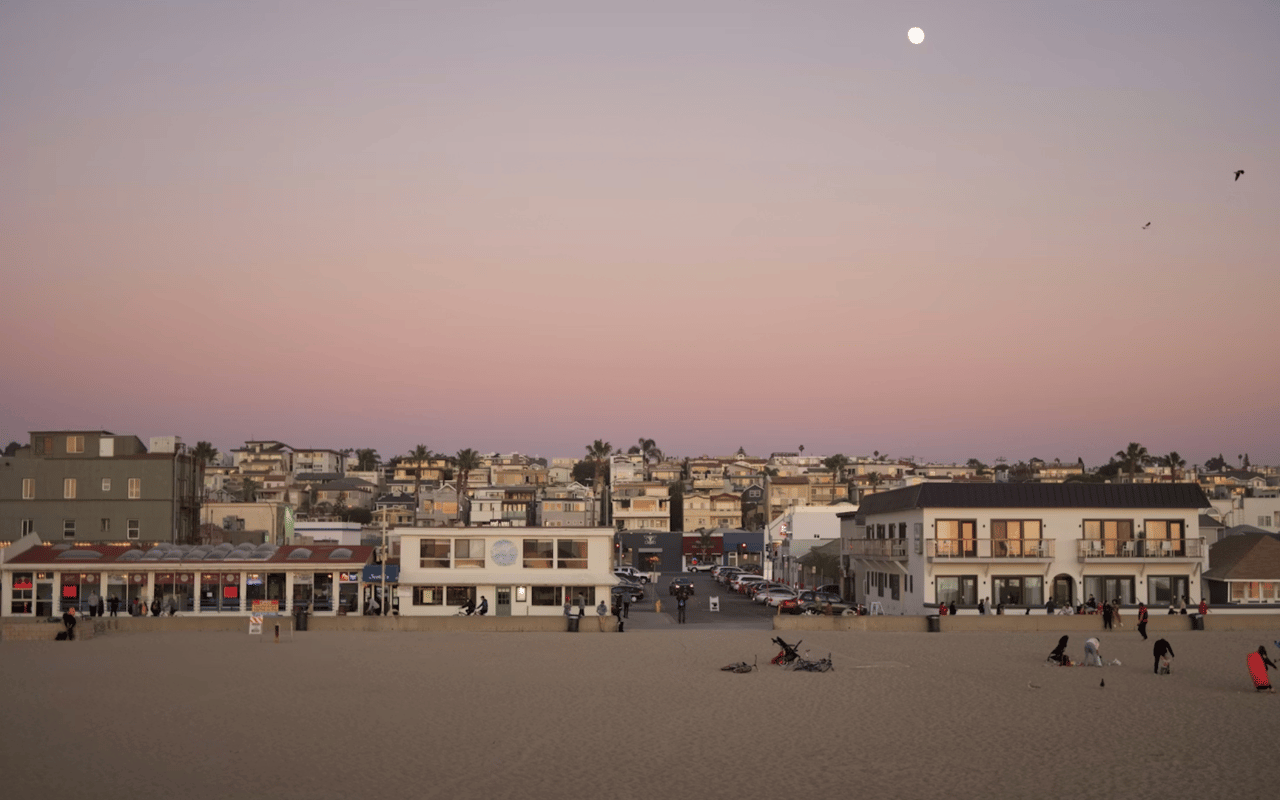
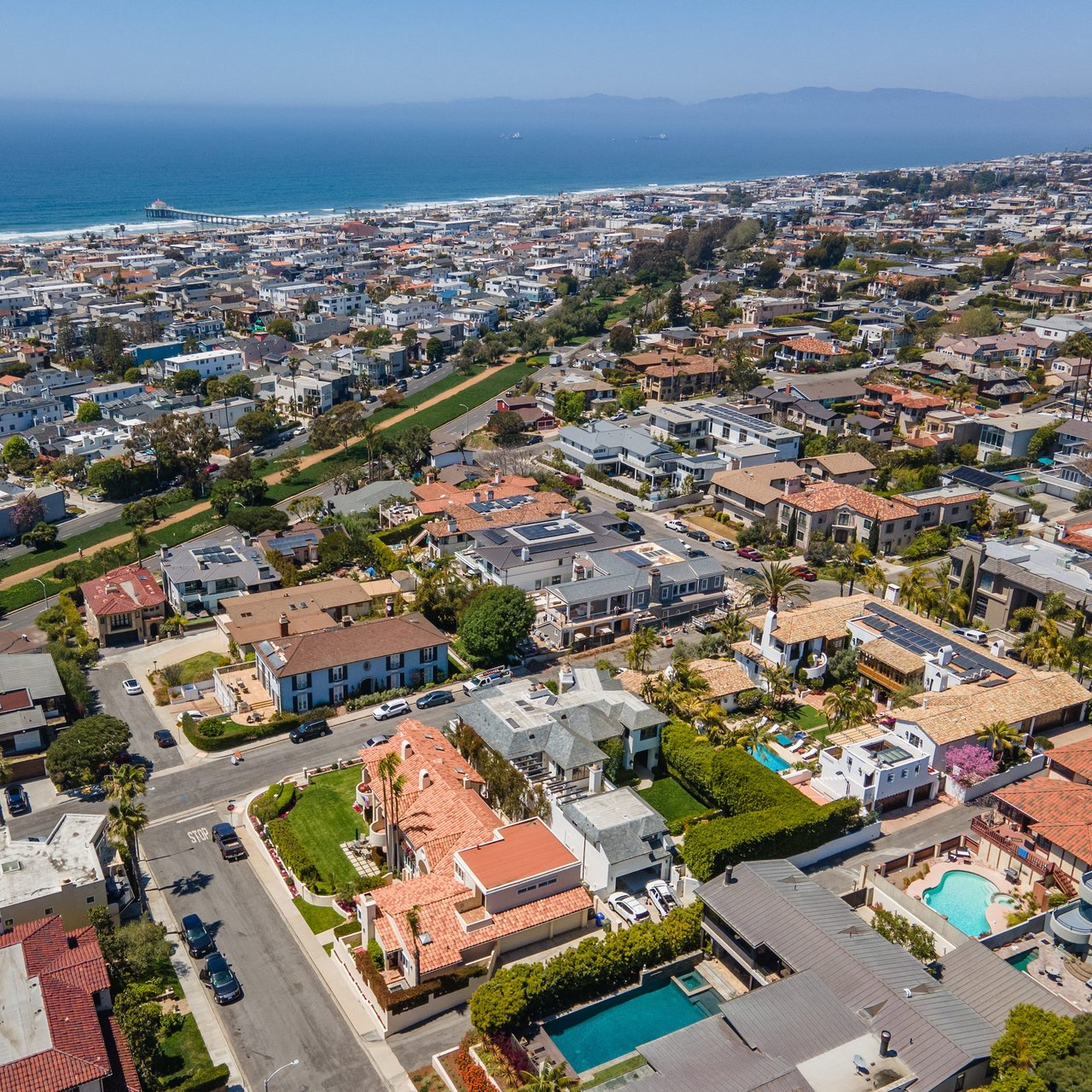
South Redondo is home to the pier and marina and harbor complex. The city describes the ocean side of Pacific Coast Highway as active with restaurants and boating activity, while areas inland of PCH are largely residential. If you want to be closer to the waterfront’s day-to-day energy, South Redondo is where that feeling is most visible.
This part of the city tends to align with what many buyers picture when they think about coastal living. You are closer to the beach path, harbor uses, pier activity, and many of the city’s best-known waterfront experiences.
North Redondo reads more residential
North Redondo begins north of 190th Street and is described as primarily inland and residential, with major commercial and employment anchors such as South Bay Galleria, Artesia Boulevard, and the Performing Arts Center. In lifestyle terms, this part of Redondo reads more like the city’s everyday residential and commercial side than its waterfront district.
That does not make it less connected to the beach community. It simply offers a different feel. For some buyers, that balance of residential setting and access to broader daily conveniences is exactly the appeal.
Riviera Village offers a smaller district feel
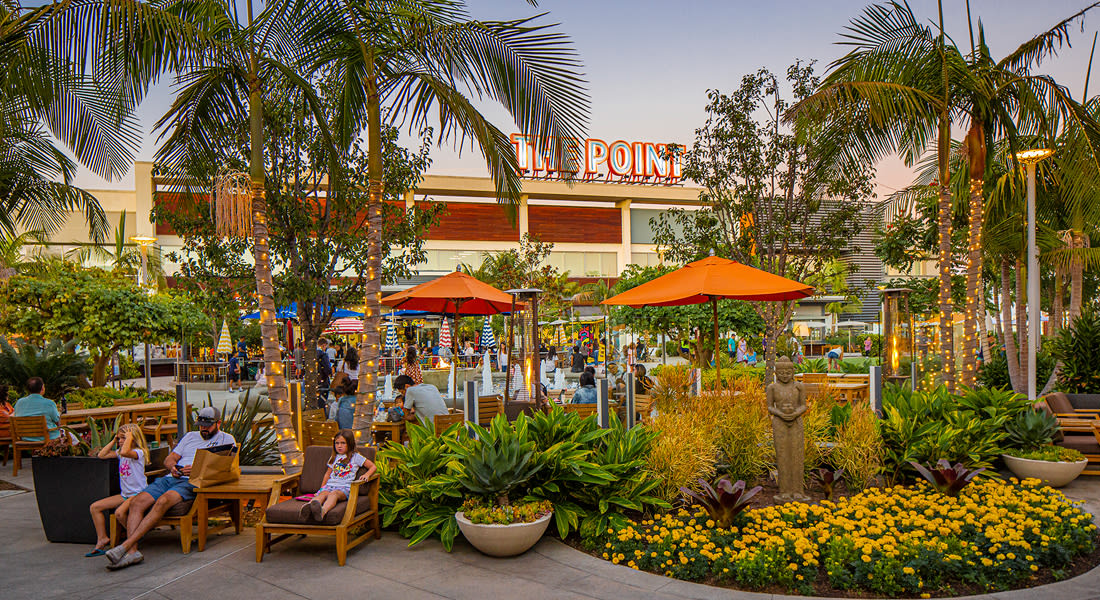
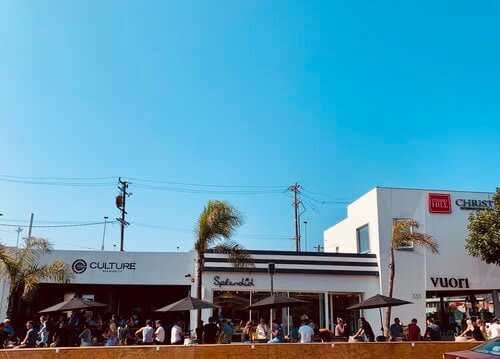
Riviera Village sits in South Redondo west of PCH between Avenue I and Palos Verdes Boulevard. The city describes it as having a quieter atmosphere with independent boutiques, restaurants, and wine-tasting galleries. It offers a smaller-scale retail and dining core that feels distinct from the pier area.
It is also helpful to separate Riviera Village from Hollywood Riviera. The City of Torrance officially references Hollywood Riviera as an area of Torrance, while Riviera Village is the South Redondo business district named after it. For buyers exploring the area, that distinction can help make local geography much clearer.
Life here goes beyond the beach
A common misconception about coastal communities is that everything centers only on the shoreline. In Redondo Beach, the beach is important, but the city also supports a broader civic life. The Recreation and Parks Element lists 35 public parks, open-space, and recreation sites totaling about 155 acres.
A city flyer also describes Redondo Beach as a full-service beach community with two public libraries, a performing arts center, 15 parks, and 13 parkettes. That mix matters because it shows that daily life here includes cultural spaces, neighborhood parks, and community amenities in addition to the ocean.
Recreation and community spaces
The city’s Recreation and Parks Element also highlights three senior centers and a wide range of classes. That reinforces a simple point: living in Redondo Beach is not just about what you do on the sand. It is also about having access to programs, public spaces, and community infrastructure that support day-to-day living.
For buyers comparing coastal cities, this can be a meaningful difference. Some beach areas feel heavily visitor-focused, while Redondo’s public facilities support a more rounded residential experience.
Waterfront amenities for all ages
Seaside Lagoon is another example of how the waterfront serves everyday residents in a practical way. Visit King Harbor describes it as the West Coast’s only heated, sea water swimming lagoon, open Friday through Monday from Memorial Day through Labor Day, from 10:00 a.m. to 5:45 p.m.
That kind of amenity adds a family-friendly option to the waterfront mix without requiring a full beach day. It is one more way Redondo makes the coast accessible for different routines and life stages.
Beach access is part of the infrastructure
In Redondo Beach, beach access is treated as infrastructure, not just scenery. Los Angeles County notes pier-area parking, street parking, bike path access, and beach wheelchairs. Those details may sound small, but they make a real difference in how often people can comfortably use the shoreline.
The county also says the Avenue A access-ramp replacement will provide an ADA-compliant path and stairway between the Esplanade and the beach. That is a useful reminder that the waterfront is supported by practical systems that shape how easy it is to enjoy daily.
What everyday coastal living really feels like
The best way to think about Redondo Beach is as a city with several lifestyle layers. South Redondo gives you the most direct connection to the active waterfront. North Redondo offers a more inland residential and commercial mix. Riviera Village adds a smaller, neighborhood-style retail and dining pocket.
Together, those pieces create a version of coastal living that feels both scenic and functional. You can build a week around morning walks on the Esplanade, time at King Harbor, dinner in Riviera Village, and community events around the pier, while still enjoying the everyday structure of a full-service city.
If you are exploring a move in the South Bay, understanding these micro-differences can help you match your home search to the lifestyle you actually want. Whether you are drawn to the waterfront energy of South Redondo or want a broader view of how Redondo fits into the coastal market, the right local guidance can make all the difference. The Jen Caskey Group brings deep South Bay knowledge and a high-touch approach to help you navigate your next move with clarity and confidence.
FAQs
What is daily life like near the Redondo Beach waterfront?
- Daily life near the waterfront often includes walks or bike rides on the Esplanade and The Strand, access to the pier and harbor, and regular use of beach amenities like showers, restrooms, parking, and recreation areas.
How does South Redondo differ from North Redondo?
- South Redondo is more closely tied to the pier, marina, harbor activity, and waterfront restaurants, while North Redondo is described as more inland, primarily residential, and anchored by broader commercial and employment areas.
What is Riviera Village in Redondo Beach?
- Riviera Village is a South Redondo business district west of Pacific Coast Highway between Avenue I and Palos Verdes Boulevard, known for a quieter atmosphere with independent boutiques, restaurants, and wine-tasting galleries.
Does Redondo Beach offer more than beach activities?
- Yes. City materials describe Redondo Beach as a full-service beach community with parks, parkettes, libraries, a performing arts center, senior centers, and a range of classes and recreation sites.
Are there family-friendly waterfront amenities in Redondo Beach?
- Yes. Seaside Lagoon is a seasonal waterfront amenity described as the West Coast’s only heated, sea water swimming lagoon, and it operates from Memorial Day through Labor Day on a Friday through Monday schedule.
Is beach access in Redondo Beach easy to use?
- Los Angeles County describes beach access features including pier-area parking, street parking, bike path access, beach wheelchairs, and an Avenue A project that will provide an ADA-compliant path and stairway between the Esplanade and the beach.