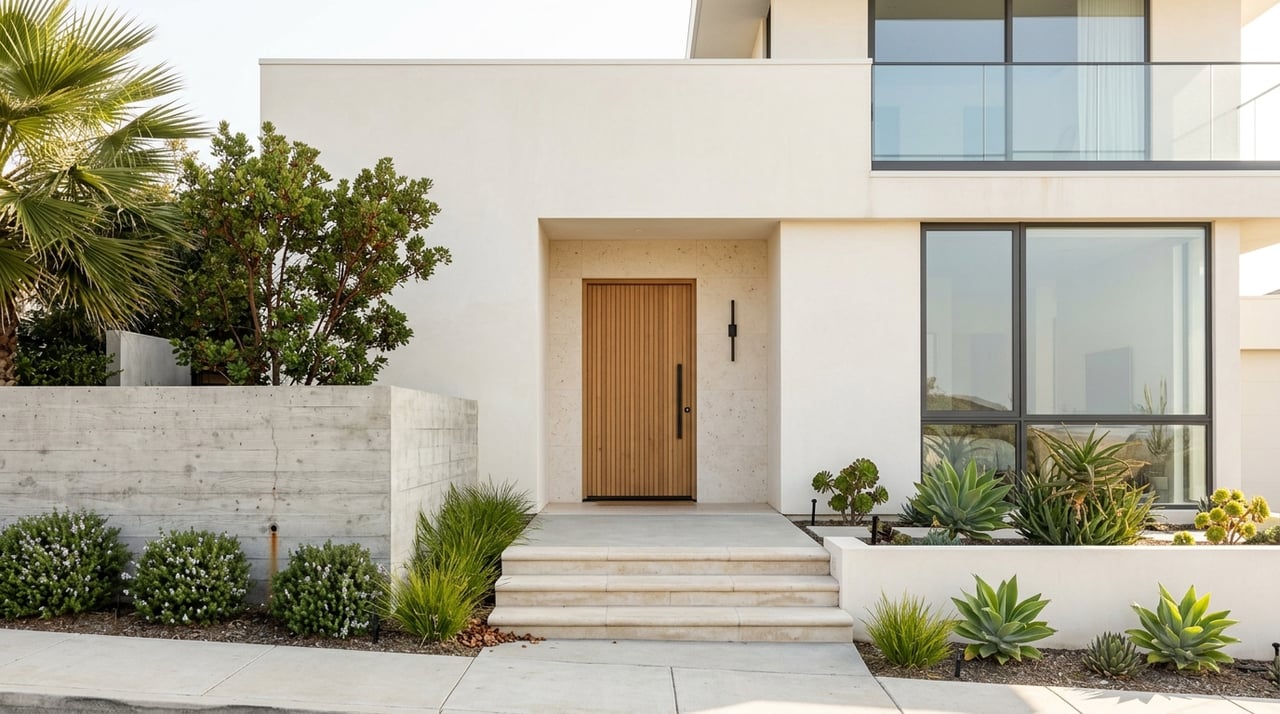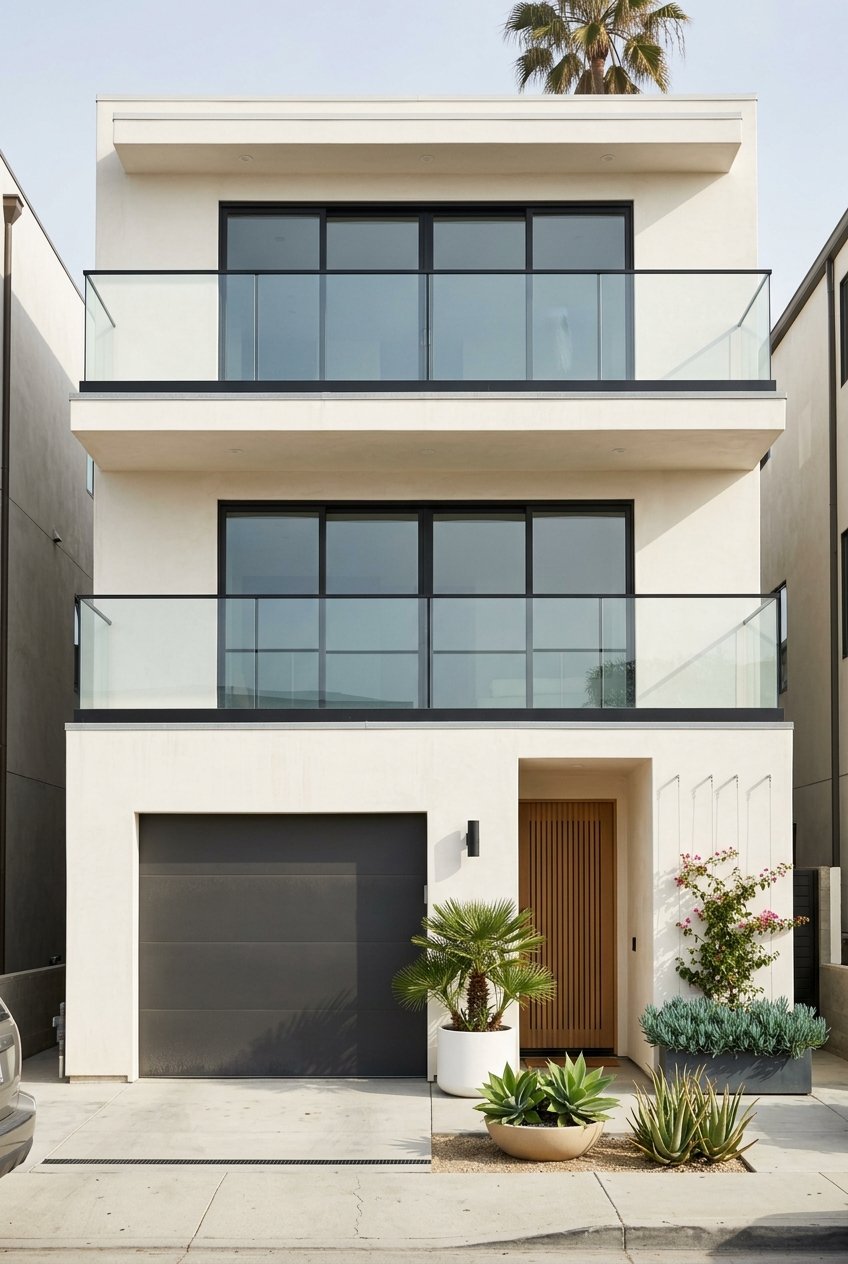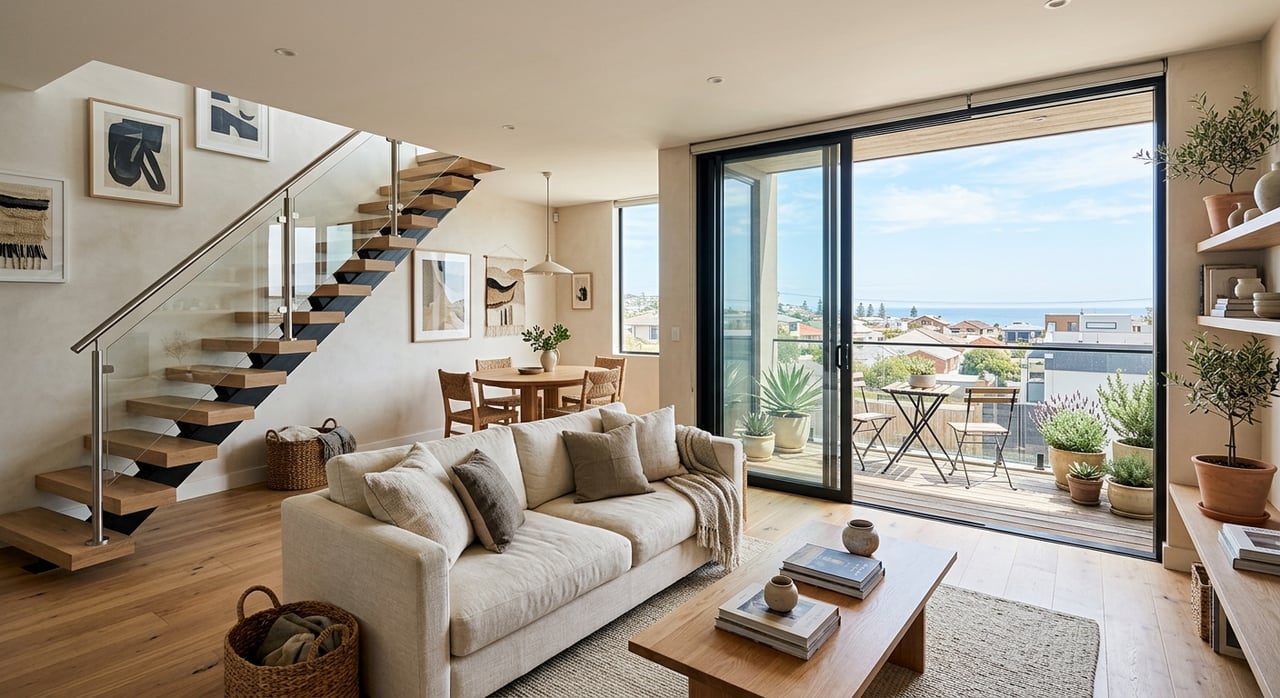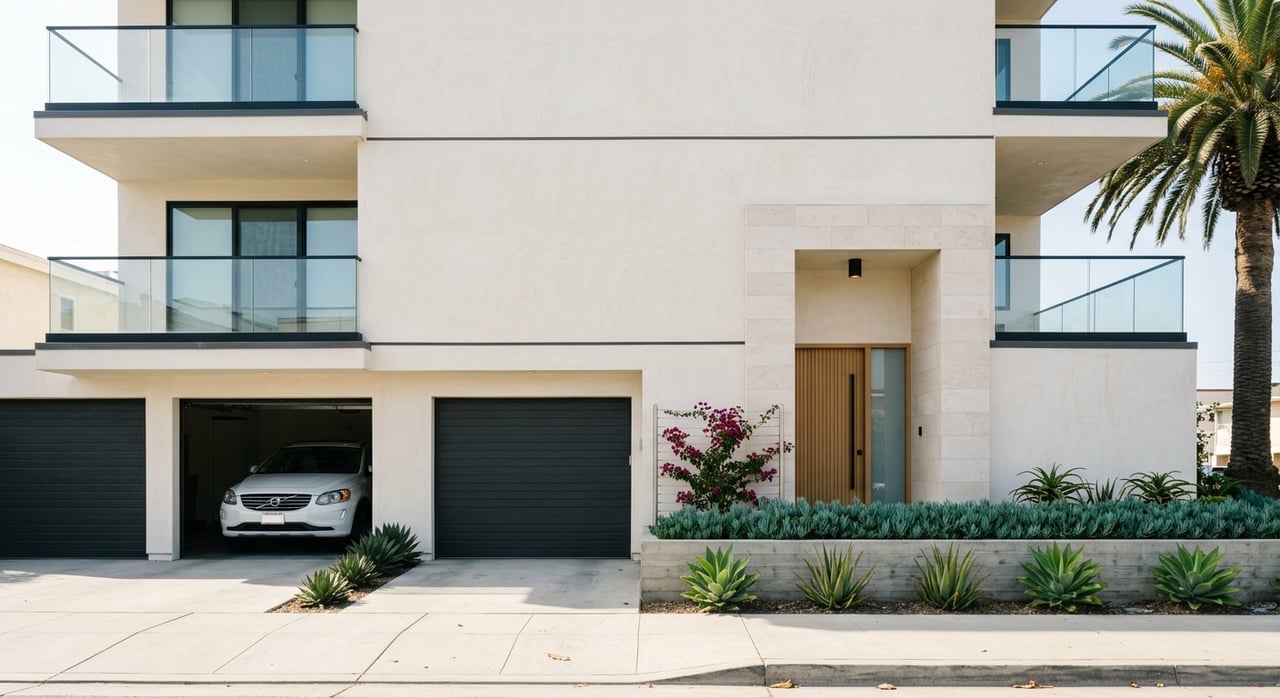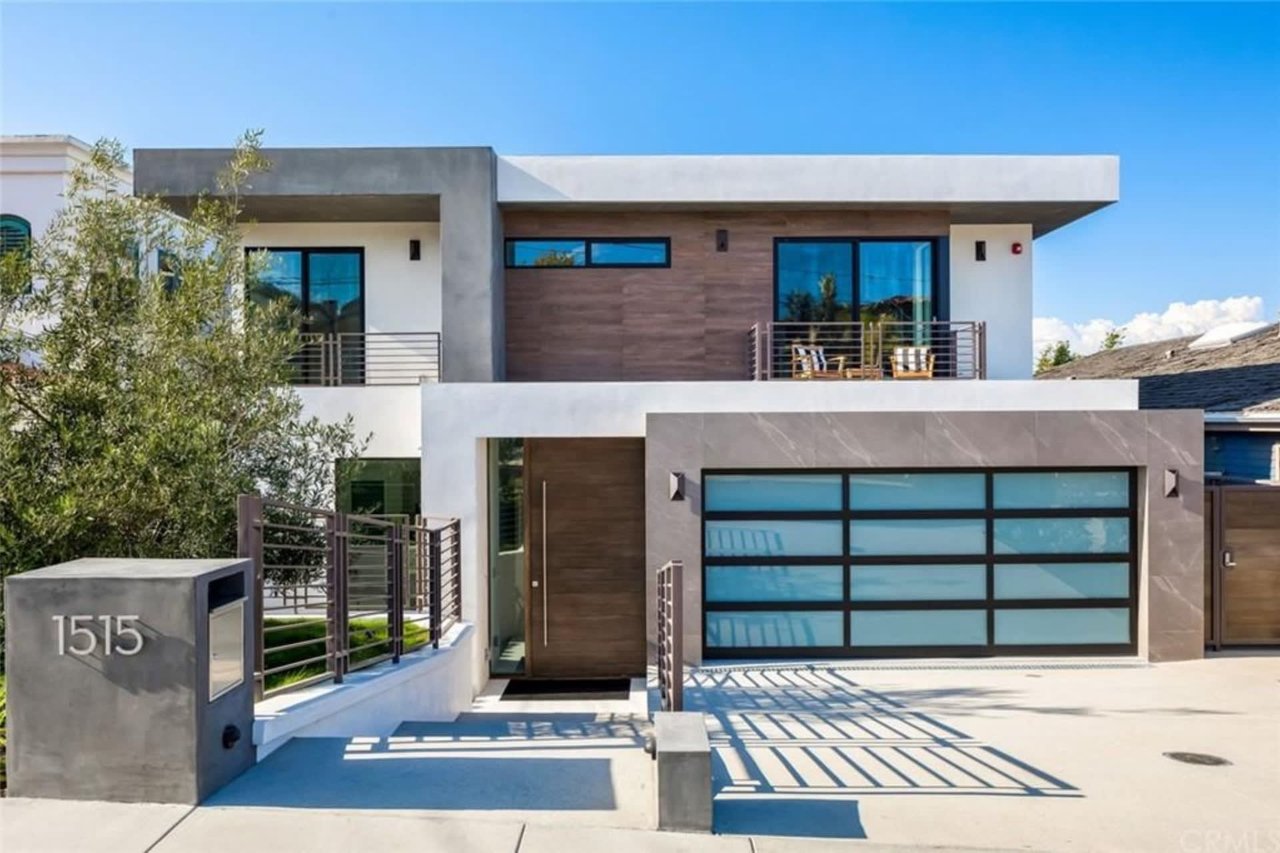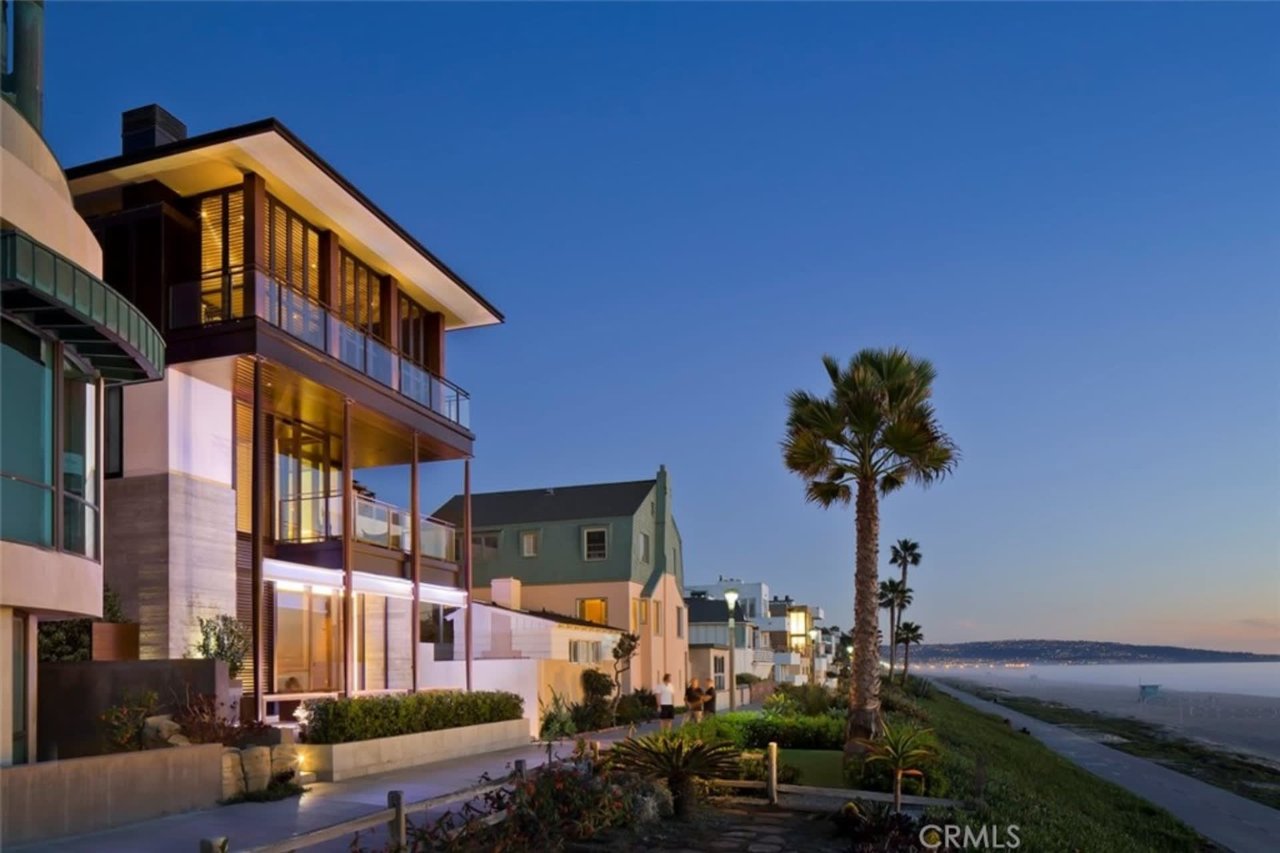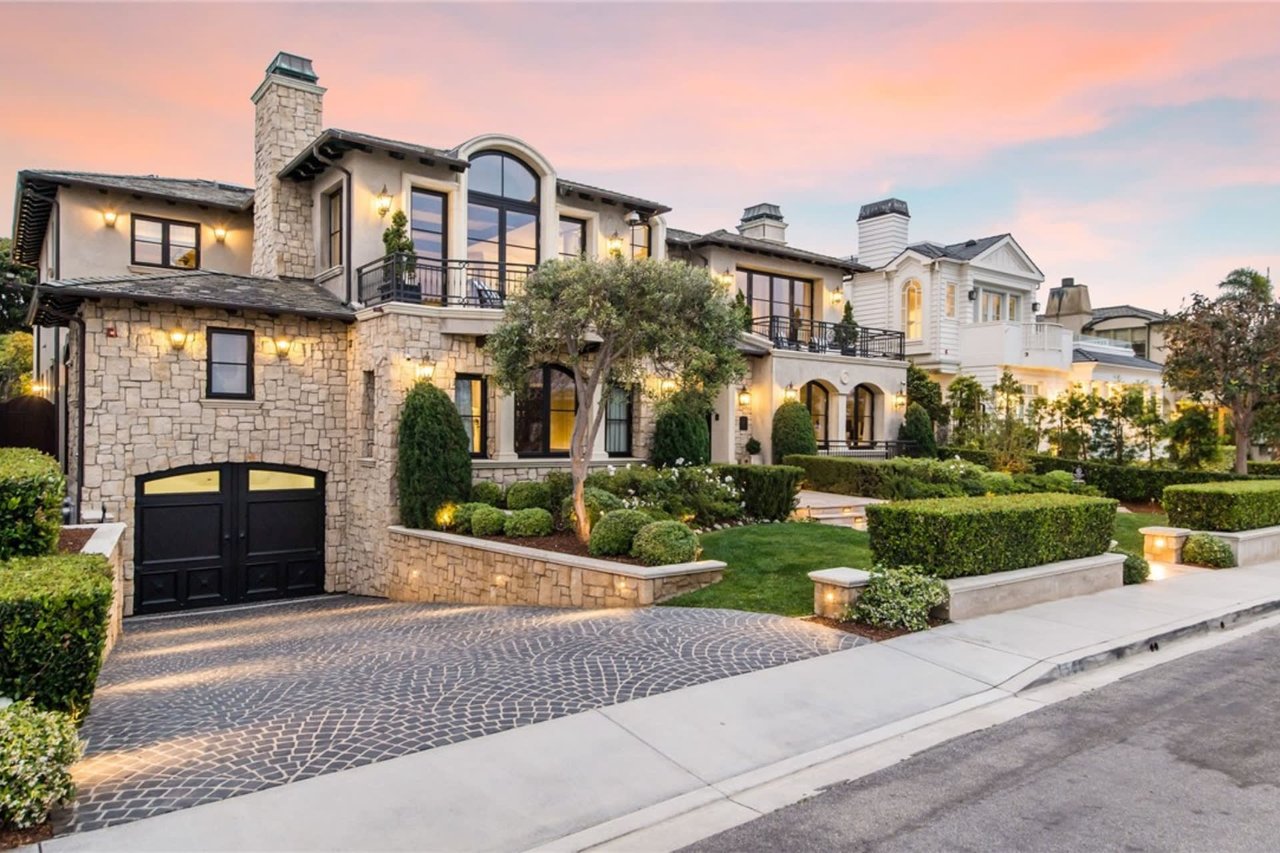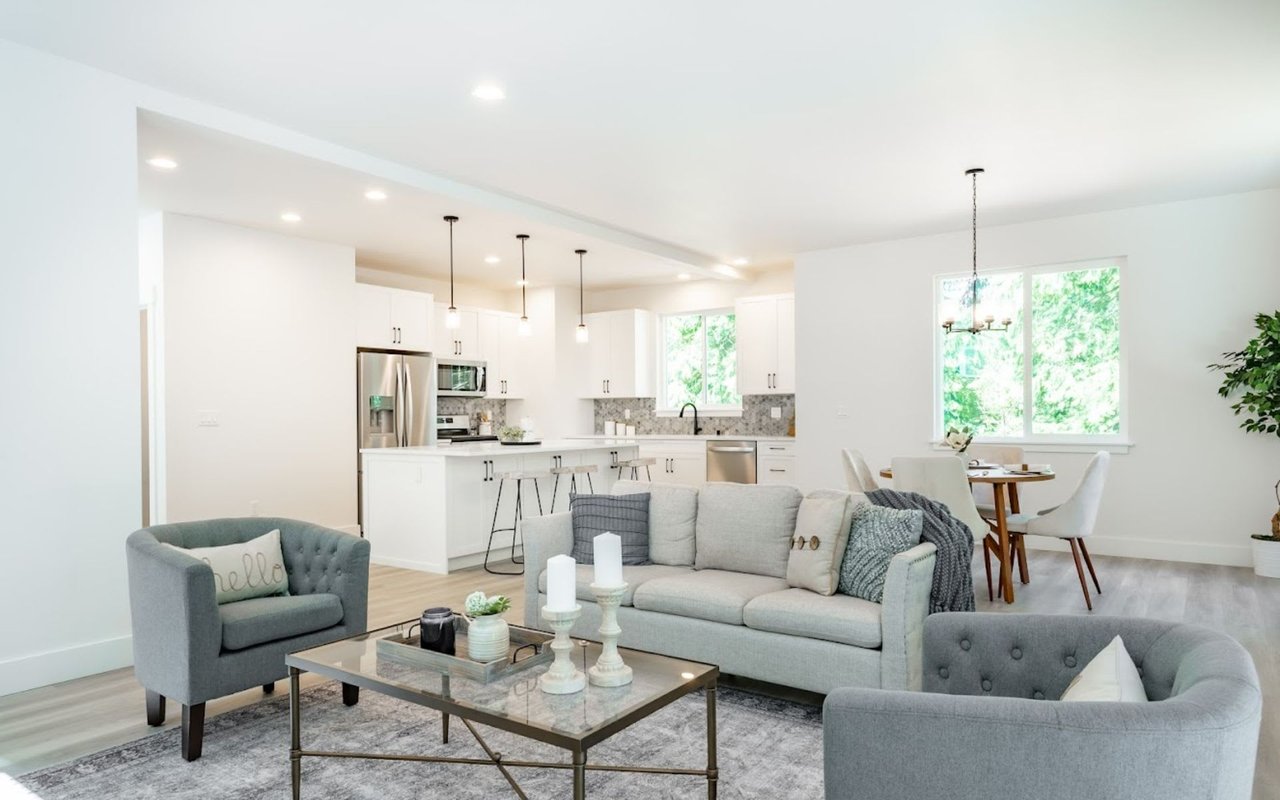
If you own a view home in Manhattan Beach’s Hill Section, you already know one thing: not all homes are competing on the same field. In a market where land is limited and true sightlines are scarce, your home’s value can rise or fall based on details that generic pricing often misses. This guide will show you how to sell a Hill Section view home with a smarter plan, from pricing and prep to staging, paperwork, and launch timing. Let’s dive in.
Why Hill Section view homes need a different strategy
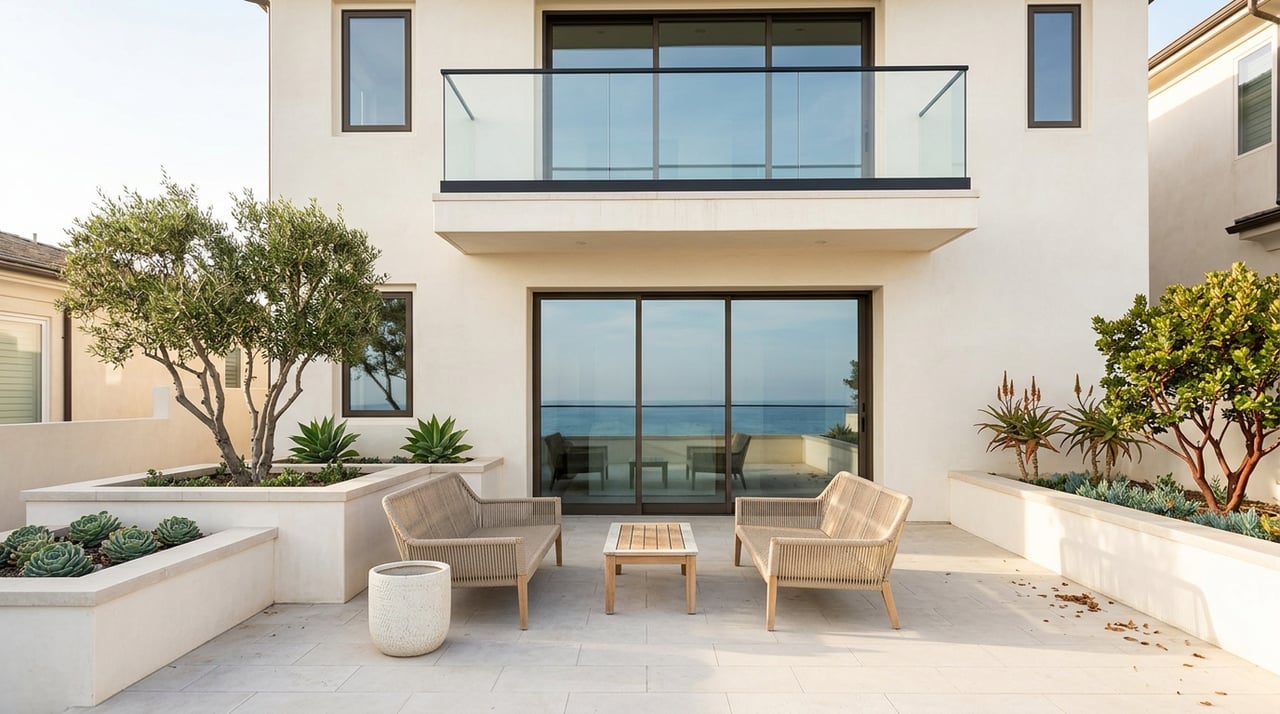
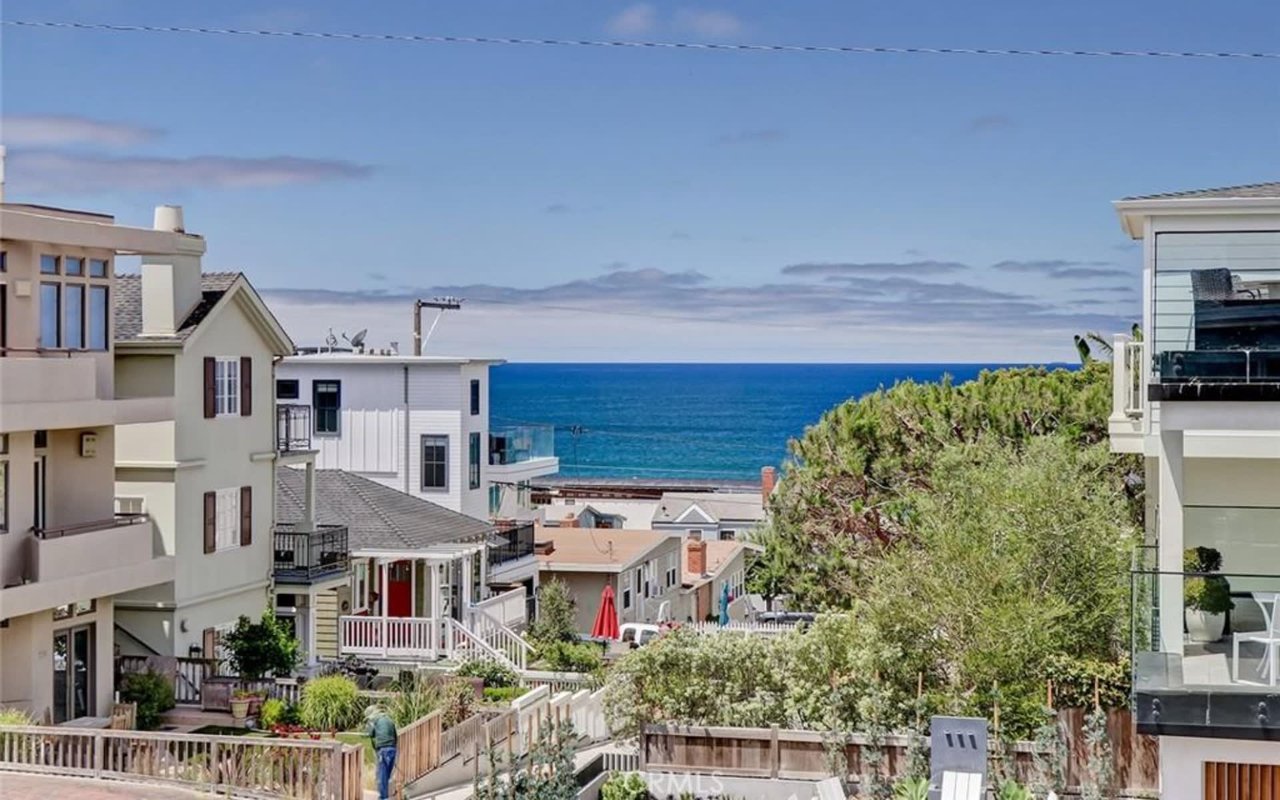
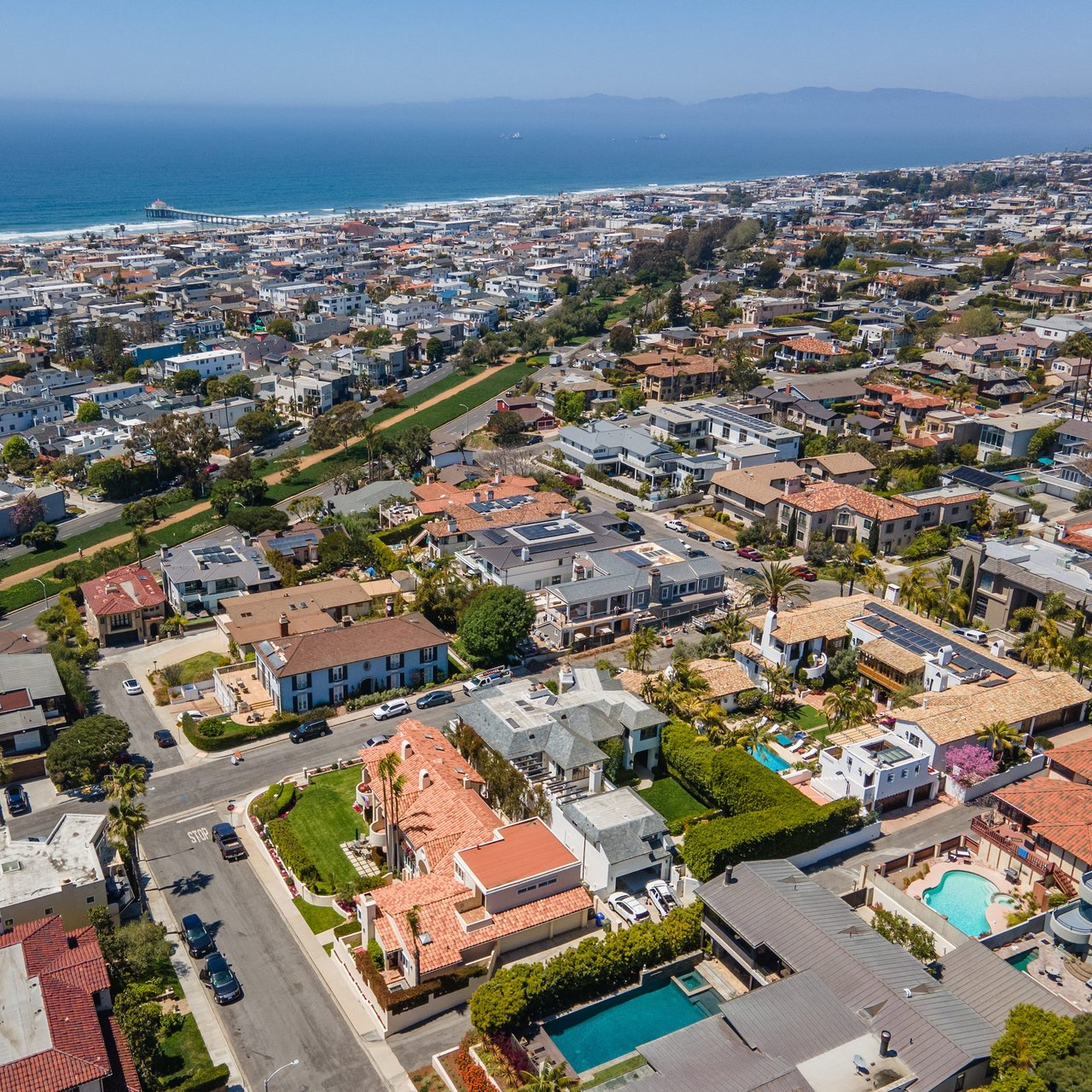
Manhattan Beach is a compact coastal city of about 4 square miles, and the city reports an elevation of 120 feet above sea level. That limited footprint, paired with meaningful elevation changes, helps explain why view lots are not easy to replace. In the Hill Section, that scarcity matters.
Recent market data also points to a high-priced, active environment. Redfin reported a May 2026 median sale price of $3.747 million with a median 28 days on market, while Realtor.com reported a median listing price of $4.5 million, 99 active listings, and a median 45 days on market. For sellers, that means demand may be strong, but precision still matters.
Research also shows that view quality is reflected in home prices, but not in a one-size-fits-all way. The premium depends on the type of view, the quality of the sightline, distance from the amenity, and market conditions. In simple terms, a Hill Section view home should be treated as a scarcity asset, not just a standard home with an extra bump in price.
Price the view, not just the floor plan
One of the biggest mistakes sellers make is relying on broad neighborhood comps. A similar bedroom count or square footage is useful, but it does not tell the full story if the view experience is different. In the Hill Section, buyers often respond to what they see from the main living spaces far more than to a basic side-by-side spec comparison.
A stronger pricing strategy uses comparables that closely match your property’s actual view profile. That includes whether the view is full or partial, the street elevation, the width of the panorama, and whether the sightline is visible from primary rooms or only secondary spaces. A home with a sweeping view from the living room and kitchen does not compete the same way as one with a peek from an upstairs hallway.
It is also wise to avoid building your price around one standout sale. Research on coastal markets shows that water-view premiums can expand during stronger market cycles and soften in slower ones. That is why your pricing should reflect current buyer behavior, not just a memorable headline number from a prior listing.
Check sightlines before you go live
In a view sale, what a buyer sees today and what they believe they will keep tomorrow both shape value. That makes sightline review an important part of pre-listing strategy. If landscaping, neighboring growth, or exterior elements affect the presentation of the view, those details deserve early attention.
Manhattan Beach states that its tree ordinance is designed to preserve scenic beauty and neighborhood character, and the city may require permits for pruning, removal, relocation, and replacement of protected trees. The city’s zoning resources also direct property owners to current development regulations and coastal zone rules. Before you make assumptions about trimming or modifications, it is smart to review what applies to your property.
This is also where local experience matters. A seller strategy for the Hill Section is not just about what your home offers now, but how clearly and confidently that view can be documented and presented to buyers.
Order the Residential Building Report early
Before finalizing price and launch timing, sellers should obtain the city’s Residential Building Report. Manhattan Beach says this report must be obtained before entering into a sale agreement or exchange of any residential building. The report shows the authorized use, occupancy, and zoning classification on record.
This step can help surface issues early, when you still have time to address them. If your home has had additions, decks, roof work, window work, or system upgrades, permit history can become an important part of the sale conversation. Surprises found mid-escrow can slow momentum and create stress that is often avoidable.
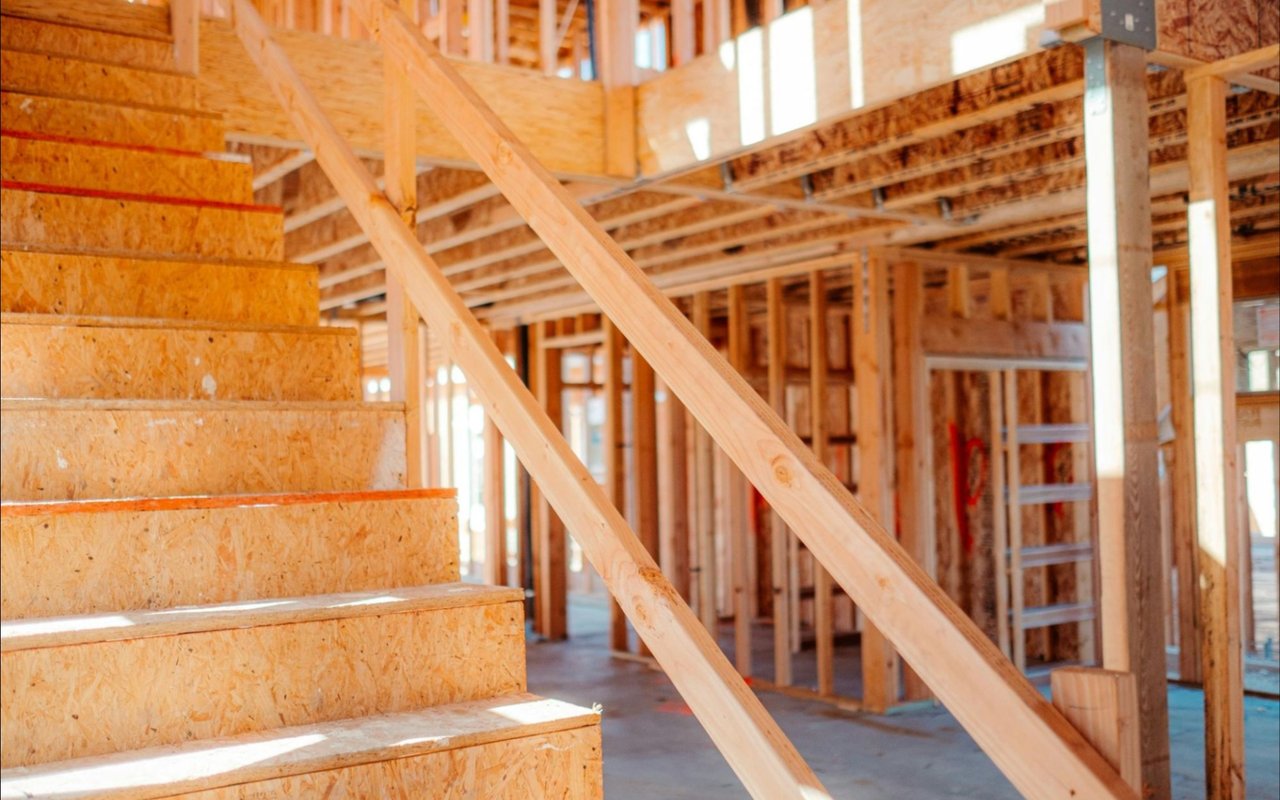
According to the city, construction improvements, remodels, alterations, demolition, many decks and patio covers, re-roofing, window retrofit projects, and plumbing, mechanical, and electrical improvements require permits. For a Hill Section seller, this is one more reason to organize the property story before the home hits the market.
Focus prep on what buyers notice first
Not every home needs a major renovation before listing. In many Hill Section sales, the highest-impact work is visual, targeted, and designed to strengthen the first impression online and in person. Buyers often make an emotional judgment quickly, especially when the home’s biggest feature is light, air, and a memorable view.
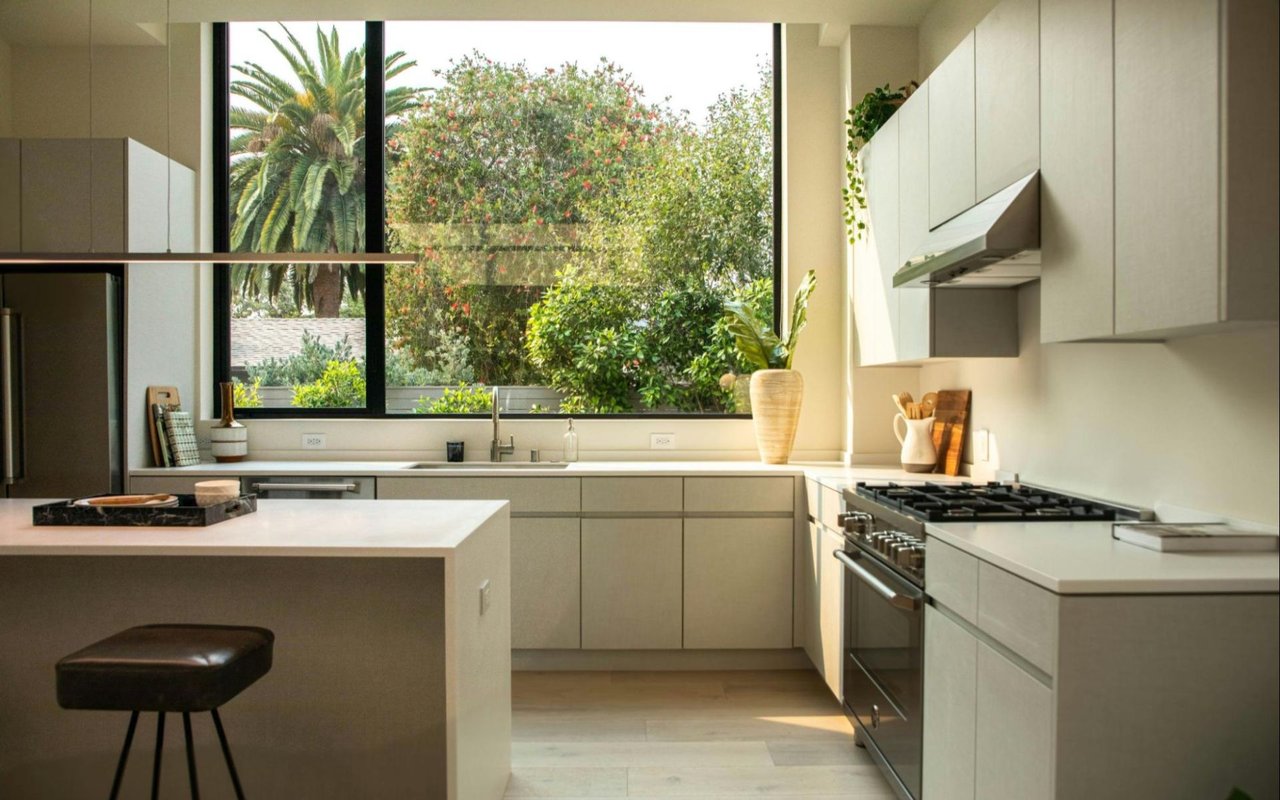
That is why paint, lighting, flooring refresh, exterior cleanup, and selective landscape trimming are often worth evaluating first. These updates can help the view read more clearly in photos and during showings. They also support the clean, polished presentation luxury buyers expect in this market.
For sellers who want to preserve liquidity during the prep period, Compass Concierge can be a useful option. Compass states that it fronts the cost of qualifying home improvement services with zero due until closing, and covered services include staging, deep-cleaning, decluttering, cosmetic renovations, landscaping, painting, flooring, moving and storage, HVAC, roofing repair, and kitchen or bathroom improvements.
Compass also states that repayment is due when the home sells, when the listing agreement ends, or 12 months from the Concierge start date, subject to program terms. For some sellers, that structure makes it easier to complete meaningful prep without paying upfront.
Plan around Manhattan Beach permit timing
If your pre-sale work goes beyond cosmetic improvements, timing matters. Manhattan Beach says the 2025 California Building Codes are in effect as of January 1, 2026. The city also states that residential additions and demolition projects must comply with its Construction and Demolition Waste Management Program, including recycling at least 65% of waste, and the required waste-management form must be submitted before permit issuance.
The city also posts construction hours that can affect project scheduling in an occupied home. Construction is generally allowed Monday through Friday from 7:30 a.m. to 6:00 p.m. and Saturdays from 9:00 a.m. to 6:00 p.m., with Sundays and city holidays prohibited. If you are trying to balance prep, daily life, and market timing, these details can shape your launch calendar.
In many cases, a focused cosmetic plan will get you to market faster than a larger project. The right answer depends on your home, your timeline, and how much additional value the work is likely to support.
Stage for sightlines and scale
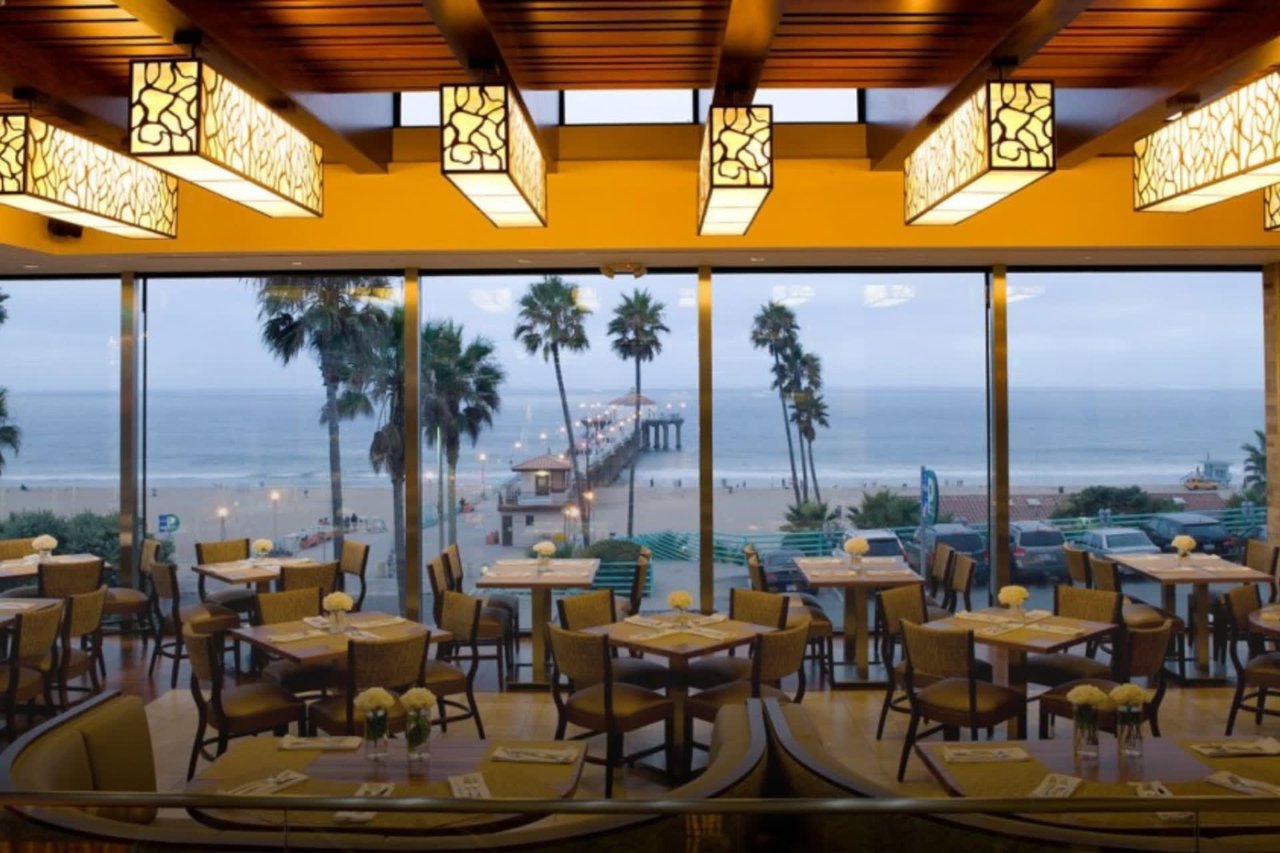
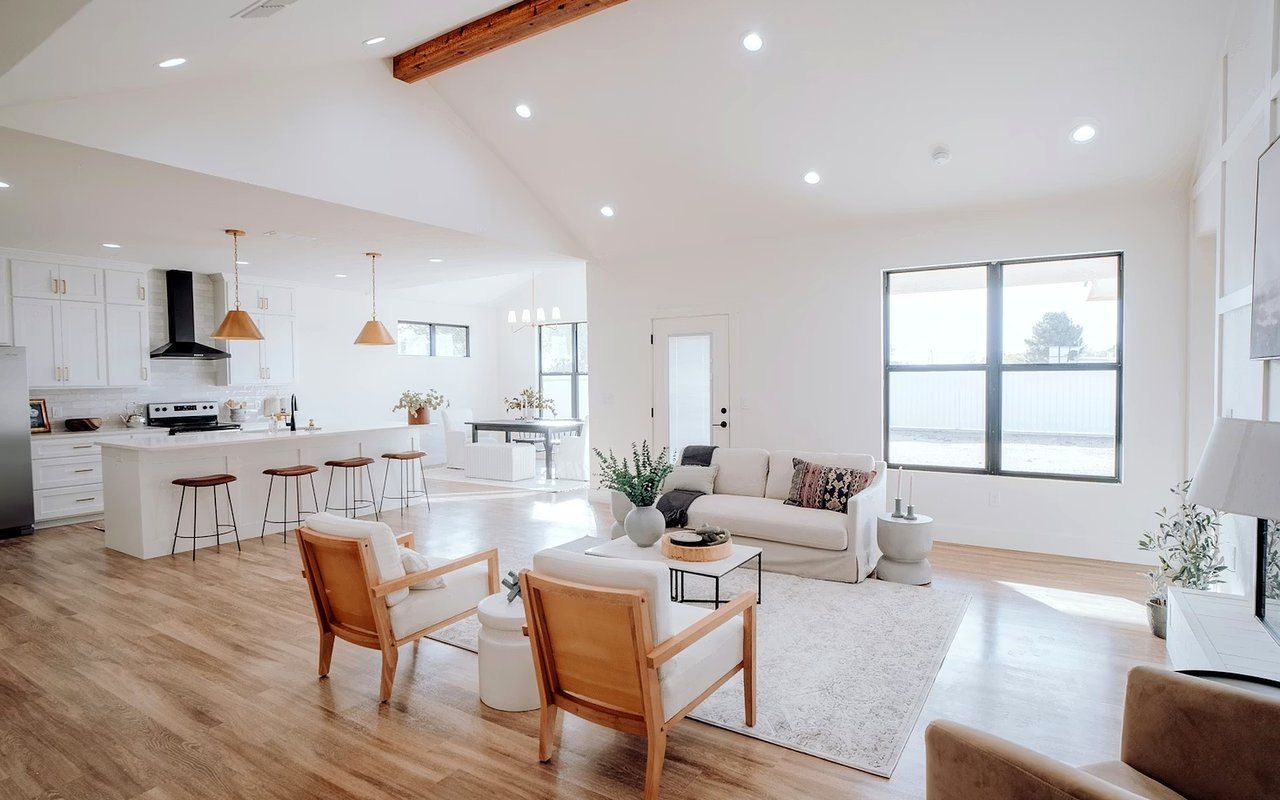
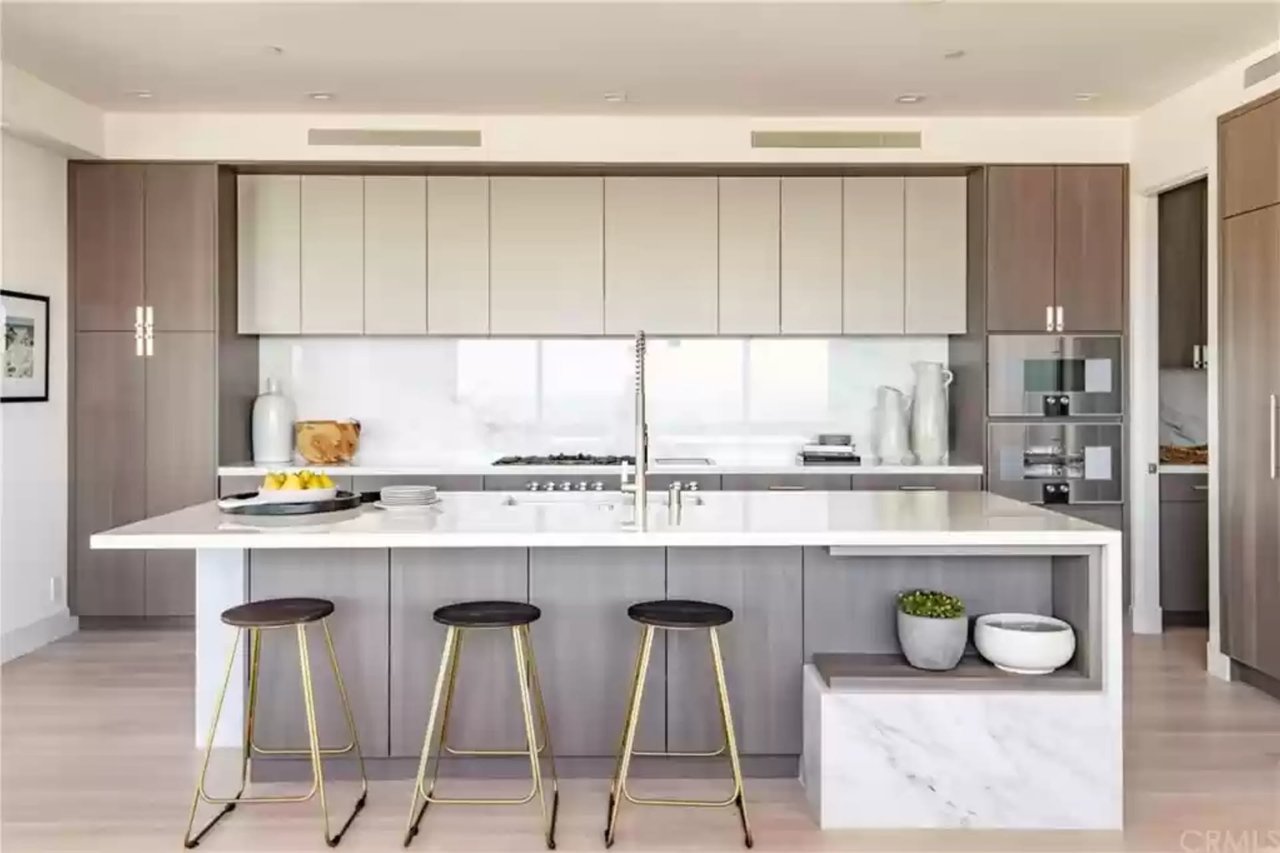
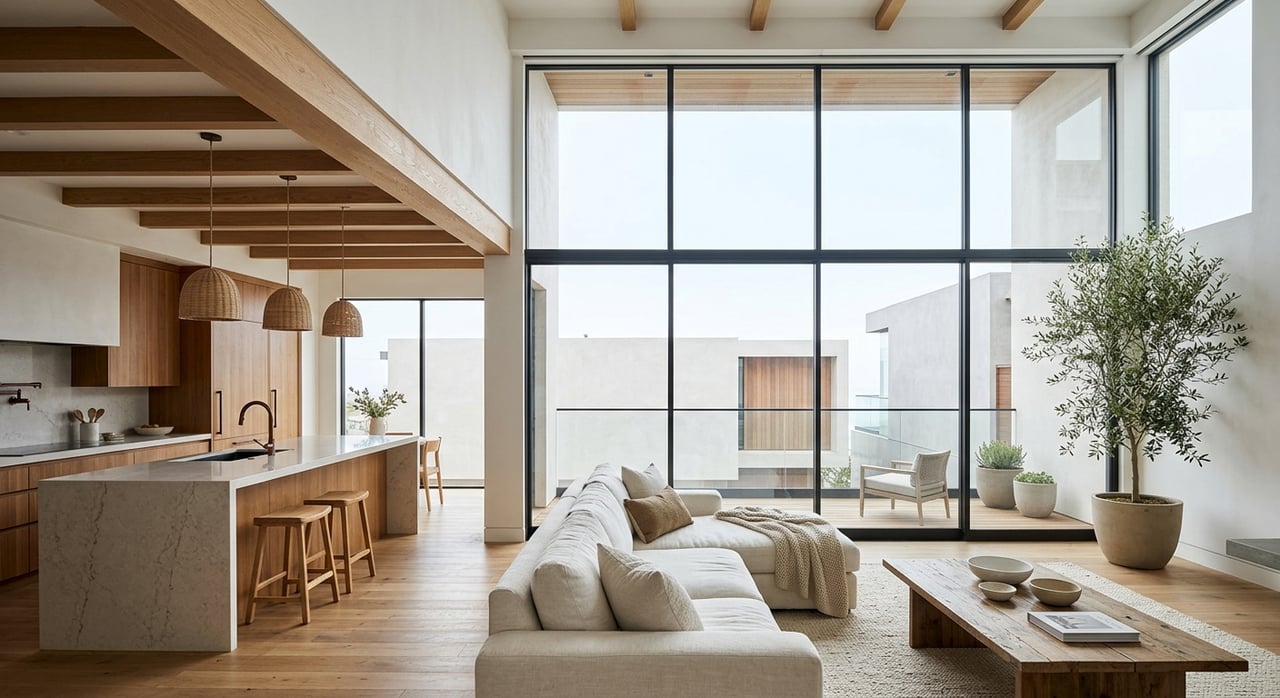
For a view home, staging should never compete with the panorama. It should support it. The goal is to help buyers feel the openness of the space while keeping the ocean, horizon, or city view as the visual anchor.
That approach is supported by staging data. In NAR’s 2025 Profile of Home Staging, 29% of agents said staging led to a 1% to 10% increase in offered value, 49% said it reduced time on market, and 83% of buyers’ agents said staging made it easier for buyers to envision the property as their future home.
NAR also found that one in three buyers’ agents said clients were more likely to schedule a showing after seeing a staged home online. Photos, videos, and virtual tours were also cited as important listing elements. For a Hill Section property, that means your marketing should be built around light, scale, and sightlines, not crowded furniture arrangements.
The most relevant spaces to stage are often the living room, primary bedroom, kitchen, dining room, and outdoor areas. In a view property, low-profile furniture and a restrained layout can help the eye move naturally to the windows and beyond.
Market the view with precision
Luxury buyers do not just want to be told there is a view. They want to understand the experience of it. That means your marketing should show where the view is enjoyed, how broad it feels, and which rooms benefit most.
Strong visual marketing often includes photography timed for the best natural light, video that captures movement through the home, and virtual content that makes room-to-view relationships obvious. If aerial imagery or drone video is used, commercial drone activity falls under FAA Part 107. The FAA states that operators must register each drone, use a remote pilot certificate or direct supervision by one, and generally fly only in daylight or twilight with anti-collision lighting.
This kind of campaign works best when the home has already been edited, staged, and cleaned for the camera. In other words, marketing should amplify the view, not try to rescue a home that was launched too soon.
Follow a smarter seller workflow
A Hill Section sale tends to go more smoothly when the process is sequenced carefully. Rather than rushing to market, it helps to build the listing around both presentation and documentation.
A practical seller workflow often looks like this:
- Assess the view and pull view-matched comparables
- Order the city Residential Building Report
- Review permits, trees, and possible sightline issues
- Decide whether targeted prep or Compass Concierge makes sense
- Stage, photograph, and produce marketing assets
- Launch only after prep and paperwork are complete
This order can reduce avoidable friction and create a more confident buyer experience. In a premium market, confidence often supports stronger offers.
Prepare disclosures before buyers ask
California sellers should also plan disclosures early. California law requires the Real Estate Transfer Disclosure Statement for most residential transfers, and the law states that it may not be waived in an as-is sale. The state’s Natural Hazard Disclosure law also requires a separate disclosure when a property lies in one or more mapped hazard areas.
If your Hill Section home was built before 1978, federal lead disclosure rules may apply as well. The EPA states that sellers of most pre-1978 housing must disclose known lead-based paint or lead hazards and provide the required EPA/HUD pamphlet before the buyer is obligated under contract.
Handled early, these steps support a cleaner transaction. They also reinforce the larger message buyers want to see in a luxury sale: the home is not just beautiful, but thoughtfully prepared and professionally managed.
The bottom line for Hill Section sellers
Selling a view home in the Manhattan Beach Hill Section is not just about putting a high number on the listing and waiting for the market to agree. The best outcomes usually come from pricing the view accurately, documenting the property carefully, making targeted visual improvements, and launching with a polished marketing plan that lets the setting speak for itself.
That is where a local, high-touch process can make a real difference. If you are thinking about selling, Jen Caskey Group can help you evaluate your view premium, prep strategy, and launch plan with the care a Hill Section property deserves.
FAQs
What makes a Hill Section view home different from other Manhattan Beach homes?
- Hill Section view homes often carry a location-specific premium because limited land, elevation changes, and scarce sightlines can make them compete differently from standard single-family homes.
How should you price a view home in Manhattan Beach?
- You should use comparables that closely match the property’s view quality, elevation, panorama width, and which main rooms enjoy the view, rather than relying only on general neighborhood averages.
Why do Manhattan Beach sellers need a Residential Building Report?
- Manhattan Beach states that the Residential Building Report must be obtained before entering into a sale agreement or exchange of any residential building, and it shows authorized use, occupancy, and zoning classification on record.
What home improvements matter most before selling a Hill Section property?
- Targeted visual improvements such as paint, lighting, flooring refresh, exterior cleanup, and selective landscape trimming often deserve early review because they can improve first impressions in photos and showings.
Can Compass Concierge help with pre-sale work in Manhattan Beach?
- Yes, Compass states that Compass Concierge can front the cost of qualifying pre-sale services, with repayment due at closing, when the listing agreement ends, or 12 months from the start date, subject to program terms.
Does staging really help sell a Manhattan Beach view home?
- Staging can help by improving online appeal and making it easier for buyers to picture themselves in the home, and NAR reported that many agents saw reduced time on market and stronger offered value after staging.
What disclosures should sellers plan for in California?
- Sellers should plan early for the Real Estate Transfer Disclosure Statement, Natural Hazard Disclosure requirements when applicable, and lead-based paint disclosure rules for most homes built before 1978.