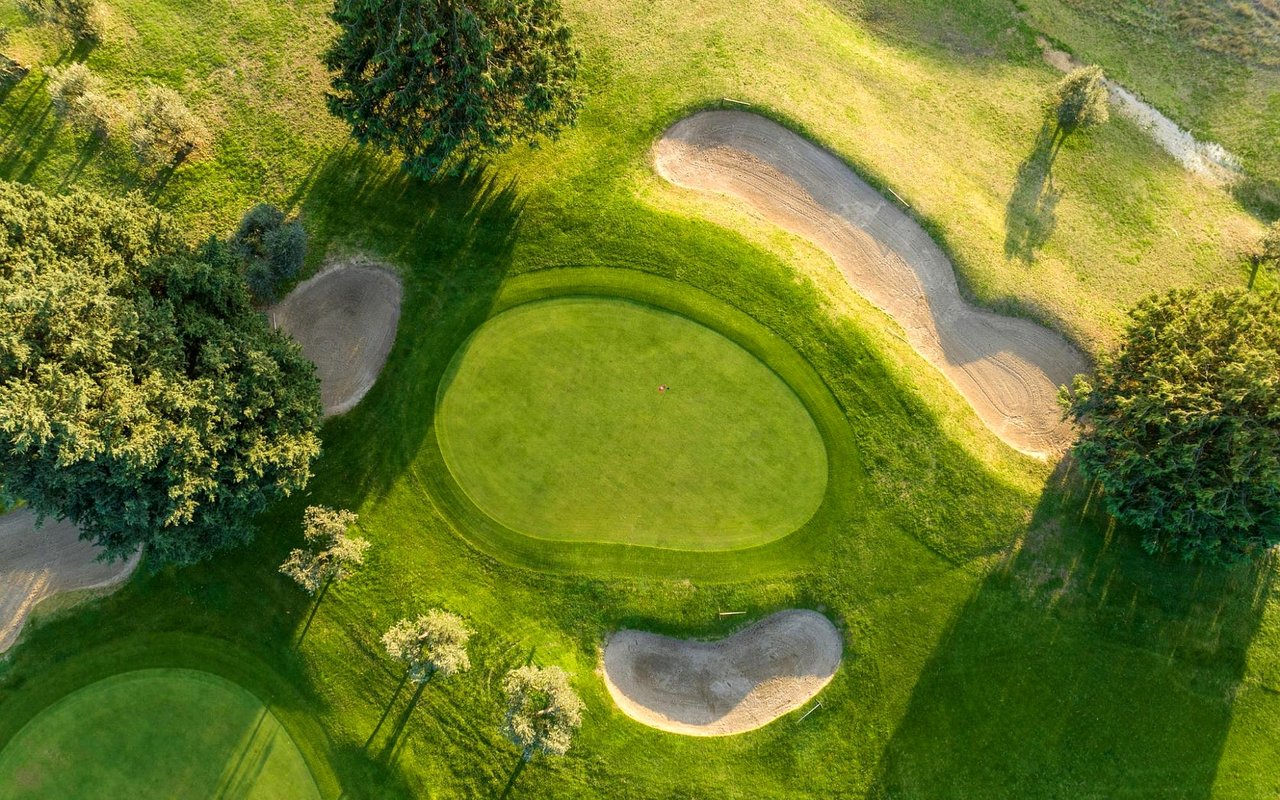
Every Tuesday, Thursday, and Saturday at 10:30 in the morning, a dozen or so bowlers in white step onto a grass green tucked behind a squat art deco building on Valley Drive. They've been doing this since 1936. Most people driving up the hill toward the houses on Prospect or Ardmore have no idea the green is there, let alone that the club that owns it predates almost every home above it.
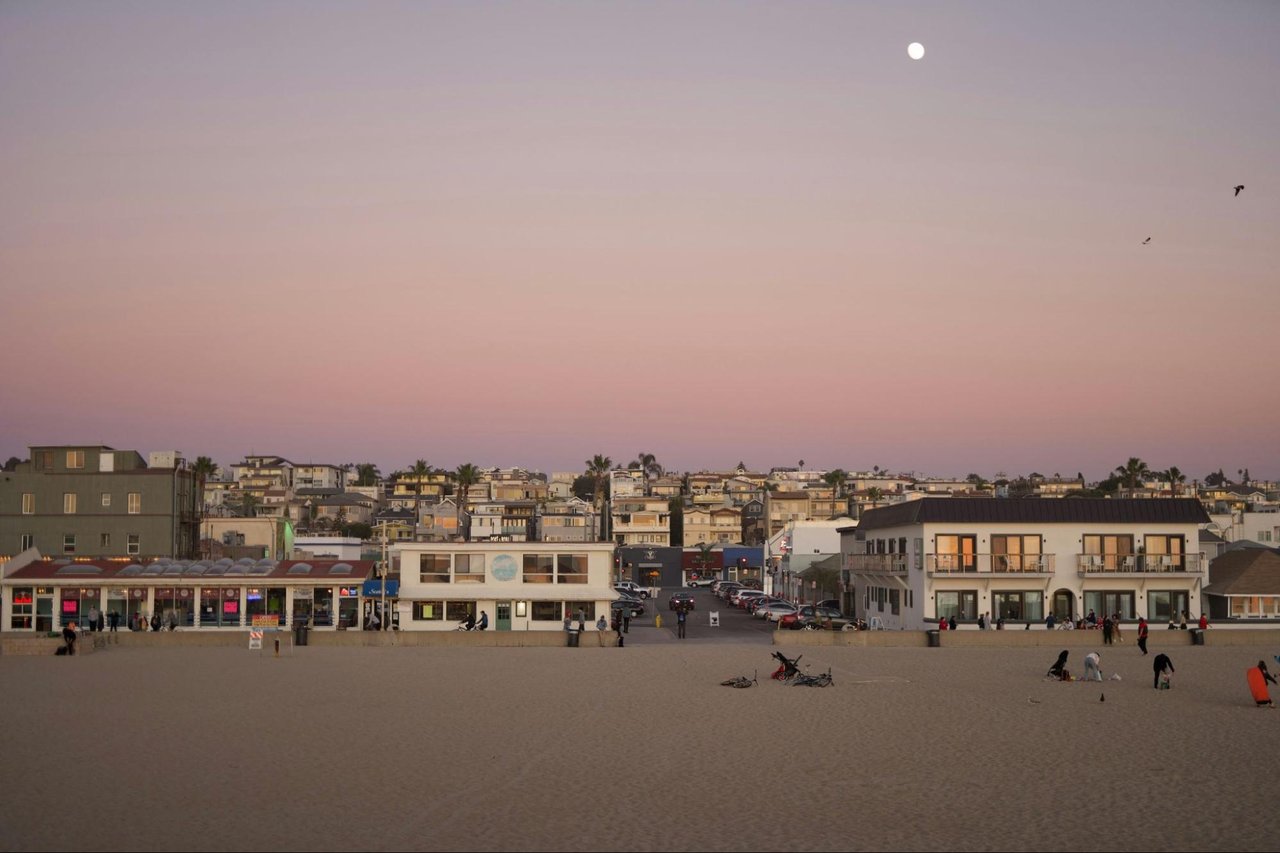
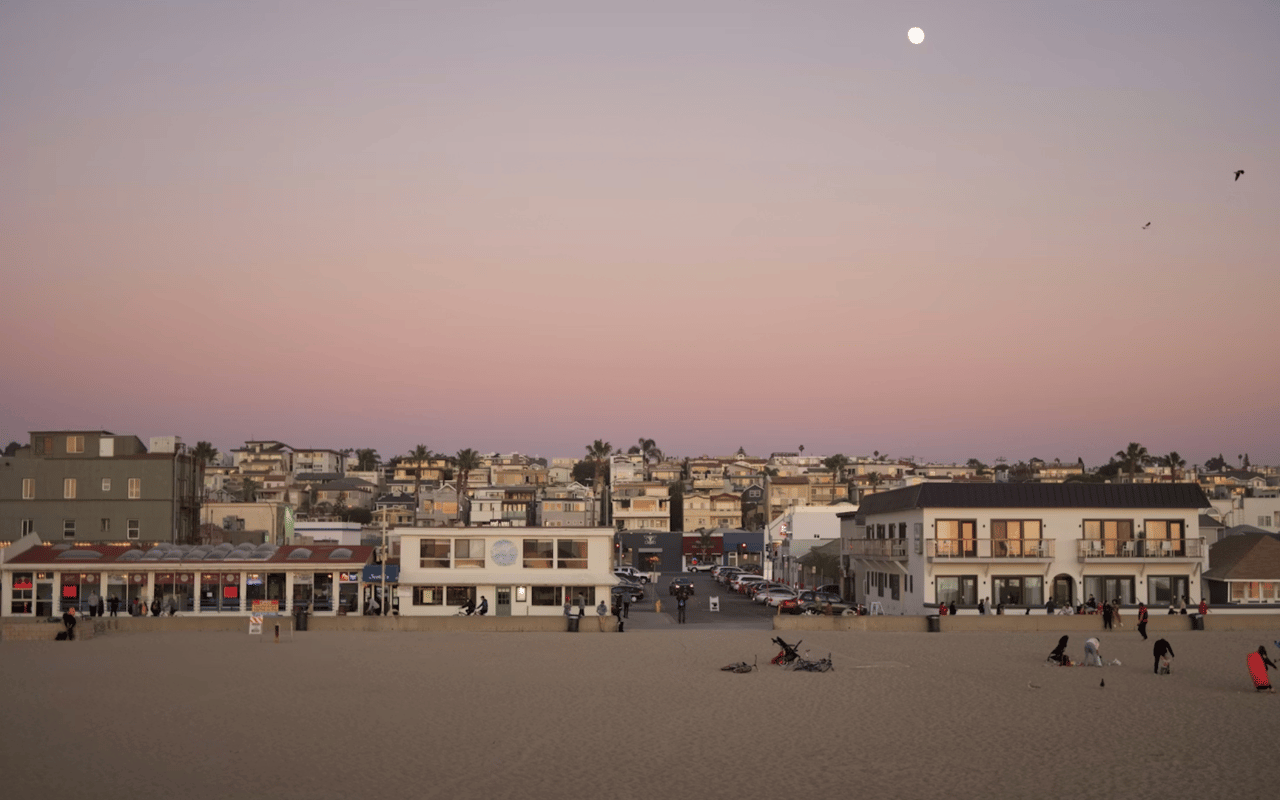
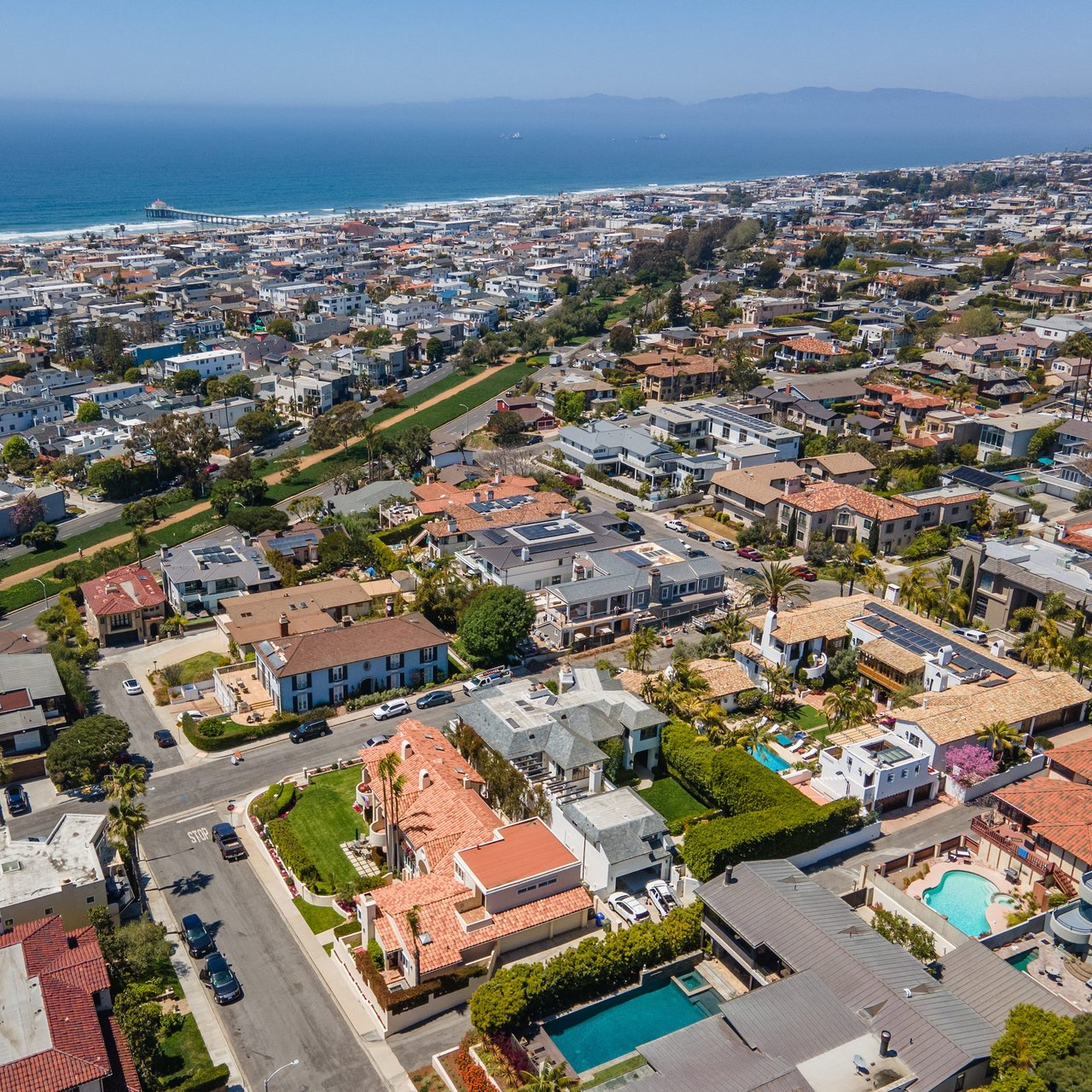
That's the thing about Hermosa Hills. The neighborhood has no commercial strip of its own. No Pier Avenue, no Riviera Village, no cluster of restaurants you'd recognize by name. What it has instead is six and a half acres at the bottom of the hill, between 8th and 9th Streets, where a bowling green, four baseball diamonds, and a rentable clubhouse do the work a main street would do somewhere else. For seven years, most of that infrastructure was closed. What came back in 2025, and what's running through it now in 2026, tells you more about how this neighborhood actually functions than any list of nearby cafes would.
A Building That Was Load-Bearing for the Whole Complex
The Clark Building at 861 Valley Drive closed in 2017 over safety concerns and outdated facilities. That's a bureaucratic way of saying the kitchen, the wiring, and the restrooms had all aged out of use at the same time, in a building that the Hermosa Beach Lawn Bowling Club's own history traces back to 1936, when the site was still called Cypress Park.
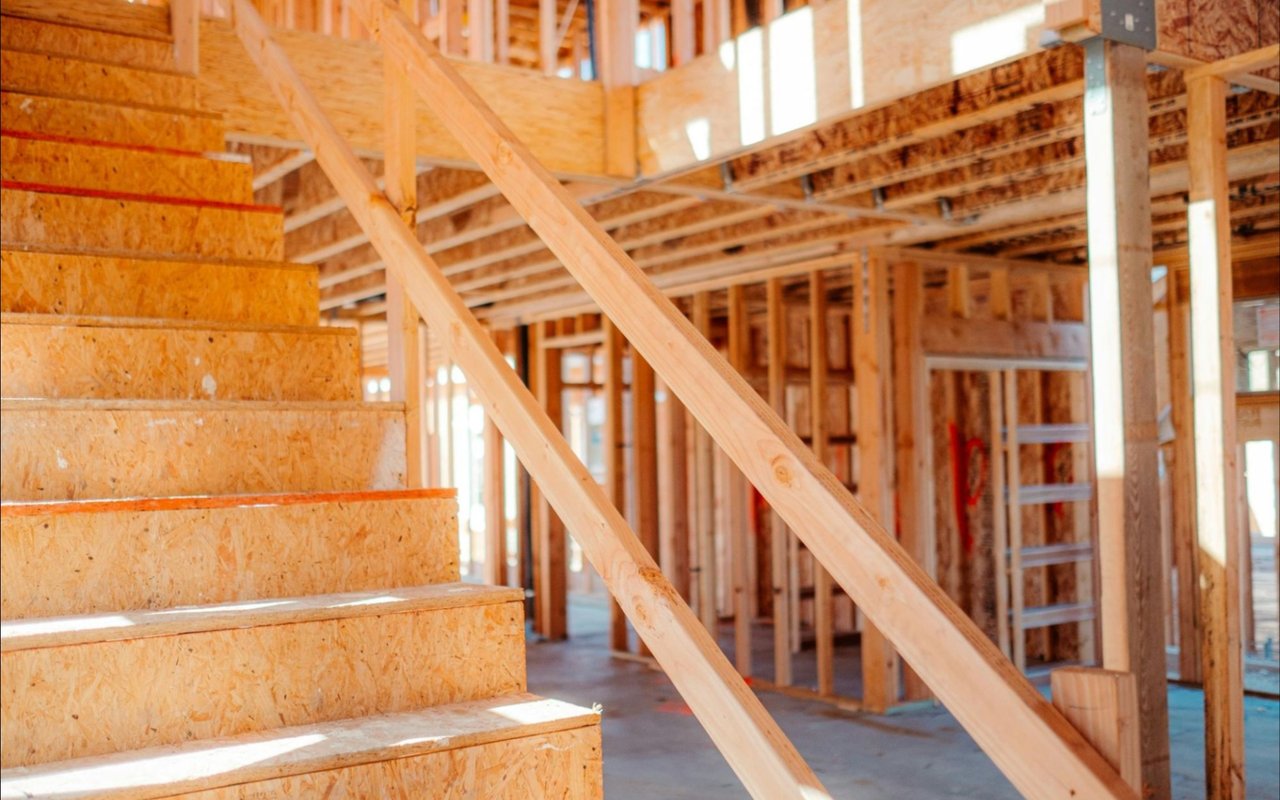
The renovation that followed took years to actually start. Construction on the current project began in October 2024 and wrapped the following summer, with The Albert Group Architects handling the redesign. The scope wasn't cosmetic. Crews replaced the electrical system, abated asbestos and lead throughout the structure, rebuilt the restrooms to current accessibility standards, and added a new accessible entrance connecting the building directly to the lawn bowling green next door. The building reopened with a 5,119-square-foot banquet hall that seats 200, a working commercial kitchen, and new HVAC, according to the city's own facility listing.
None of that would matter much if the building sat empty most weeks. It doesn't. The reopening was covered by Easy Reader News, which reported that the space immediately went back to hosting the Hermosa Beach Women's Club and Hermosa Beach Fire Department pancake breakfasts, along with the Beach Cities Toy Drive's annual Christmas gift-wrapping party. Those aren't hypothetical future bookings. They're recurring events that had nowhere else in the neighborhood to go for seven years.
The Women's Club held its comeback pancake breakfast that October, in the building's new kitchen. Laura Oczachowski, co-chair of the event, put it simply to Easy Reader:
"We've been waiting a long time to get back here. We are very excited."
The Green Is Older Than Almost Everyone Bowling On It
The lawn bowling club itself has a history worth knowing if you live within walking distance of it. It was founded by John Clark, a former Hermosa Beach mayor who'd grown up around the sport in England and paid roughly $2,000 out of his own pocket in 1935 to have the green installed. He later willed the club to the community in perpetuity, which is why it's still open to anyone who wants to try it, not a private membership operation. According to the park's own history, the green was eventually ranked among the five best designed in California.
Today the club runs open bowling three mornings a week, offers free lessons on game day, and belongs to SouthWest Bowls, a regional association connecting it to roughly 25 other clubs across Southern California. That affiliation means a Hermosa Hills resident who picks up the sport here has standing guest privileges at bowling greens well outside the South Bay, a small but real benefit tied to a facility most residents walk past without a second look.
Four Diamonds, One Spring Season
The other half of the complex is Clark Field, which sits directly behind the Clark Building and the bowling green. It has four named diamonds: North, which is the largest and hosts Juniors, Majors, AAA, and some AA games near the snack stand; South, used for T-ball and Rookie divisions; and two smaller fields called Logan and New Dunham. The city's own facility page lists the main users as American Youth Soccer Organization Region 18 and Hermosa Beach Little League.
HBLL has fielded teams here since 1951. Registration for the 2026 season closed in late November 2025, and the league's own social channels described the spring signup as a record year for teams, enough that organizers put out a call for local businesses to sponsor squads. The city's 2026 special events calendar backs up how active the field stays: it listed an "HBLL Night at the Ballpark" at Clark Field back in April, tucked in alongside citywide fixtures like the St. Patrick's Day Parade and the SoCal Beach Foundation's volleyball series at the North Volleyball Courts.
Put those together and you get a small but continuous rhythm. Weekday mornings belong to the bowlers. Spring weekends belong to Little League families setting up folding chairs along four different fences. A handful of Sundays a year, the same parking lot on Valley Drive fills up for a pancake breakfast instead of a game.
Why the Seven-Year Gap Actually Mattered Here
In a neighborhood with a walkable retail corridor, losing one building for renovation is an inconvenience. Residents redirect to the next block over. Hermosa Hills doesn't have a next block over. According to the park's own history, the Clark complex is, aside from the beach and the Greenbelt, the most widely used park property in the entire city for organized sports. It's also the second largest park in Hermosa Beach behind Valley Park. When it closed, there wasn't a substitute a few doors down. The Women's Club didn't relocate its pancake breakfast elsewhere in the neighborhood. It waited.
That's worth sitting with if you're weighing what daily life actually looks like on the hill side of Hermosa Beach. The value here was never going to show up as a restaurant count or a walk score. It shows up as a 90-year-old bowling club with free lessons three mornings a week, a Little League that just posted a record signup year, and a banquet hall that a neighborhood women's club waited the better part of a decade to get back. For a hillside neighborhood without a commercial center, that's not a nice amenity. It's the closest thing to one.
If you're weighing a move to Hermosa Hills, or you already live on the hill and are thinking about what your home is worth in a market where buyers increasingly ask about exactly this kind of neighborhood infrastructure, the Jen Caskey Group knows this stretch of Valley Drive as well as anyone selling here. Get Your Home Valuation and we'll walk you through what the market actually looks like from where you sit on the hill.