By The Jen Caskey Group
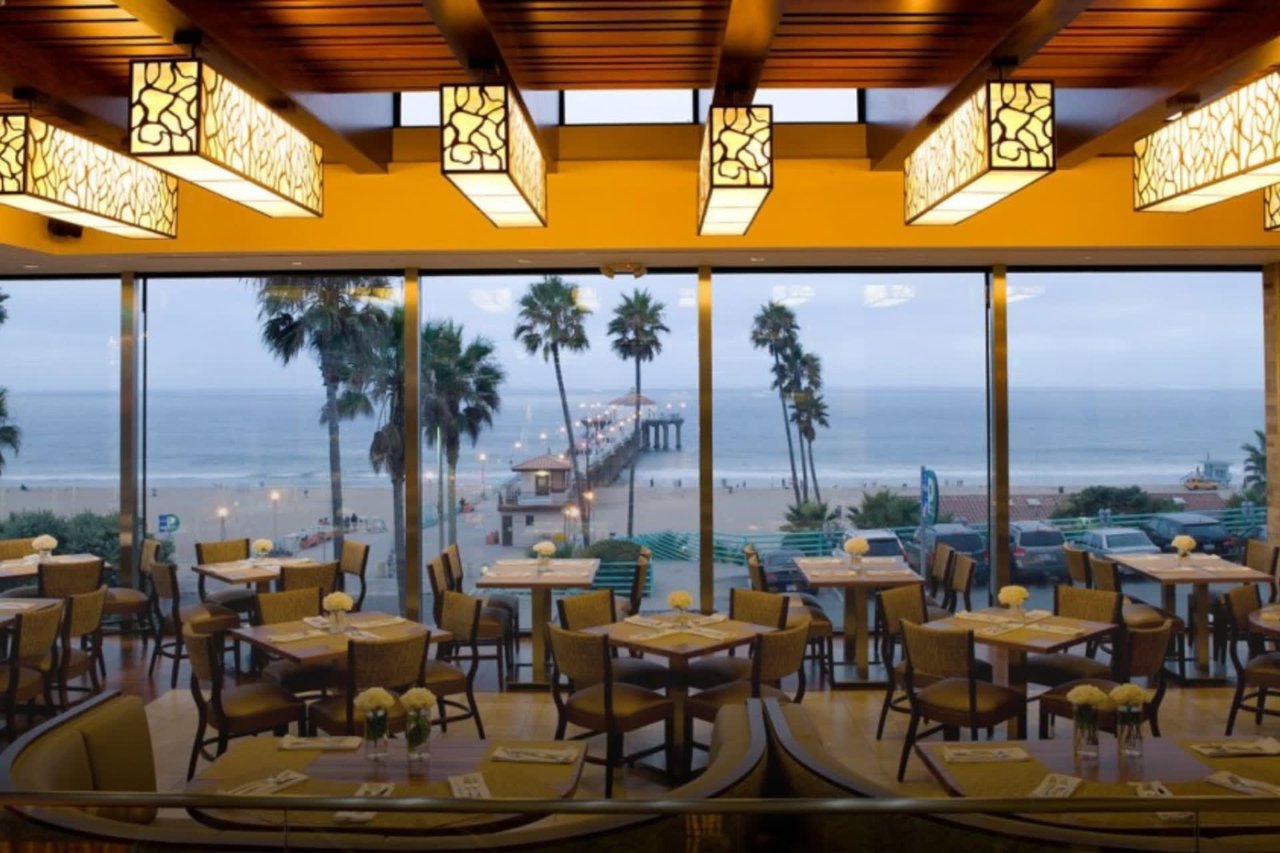
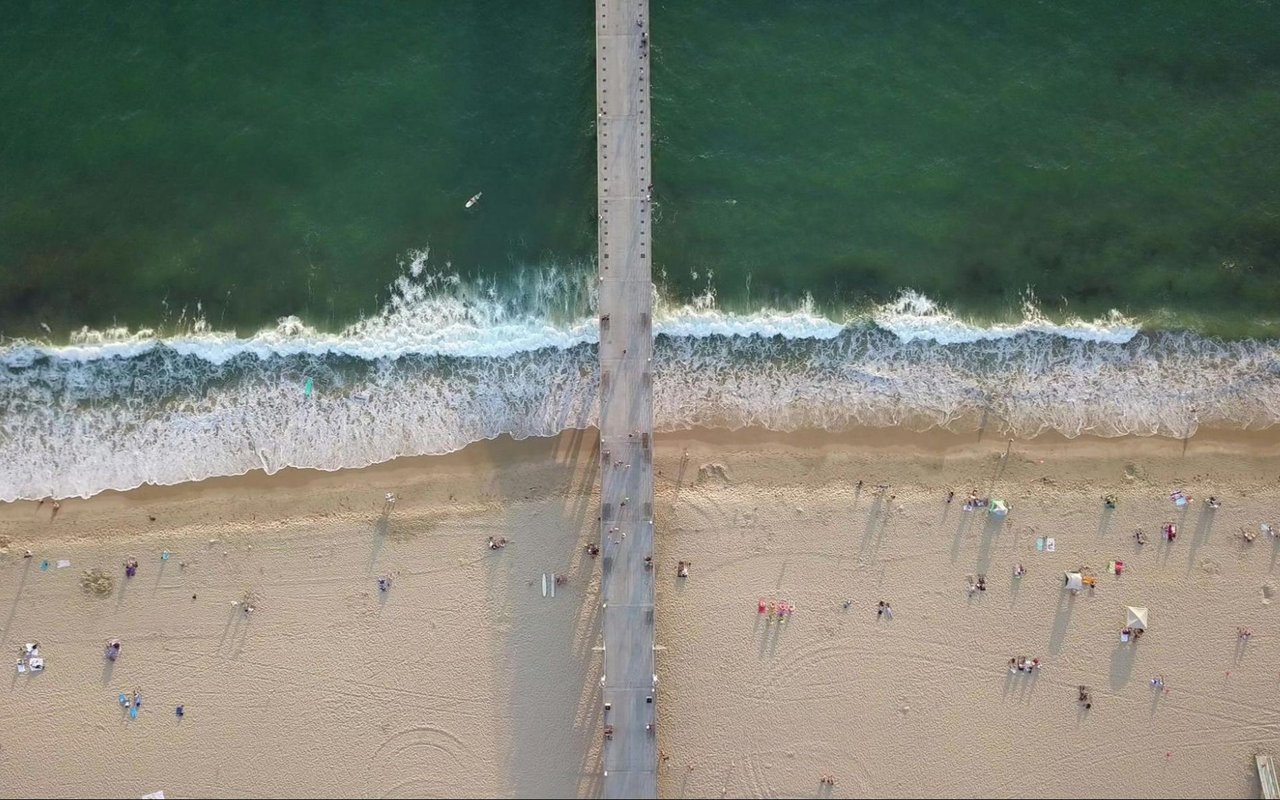
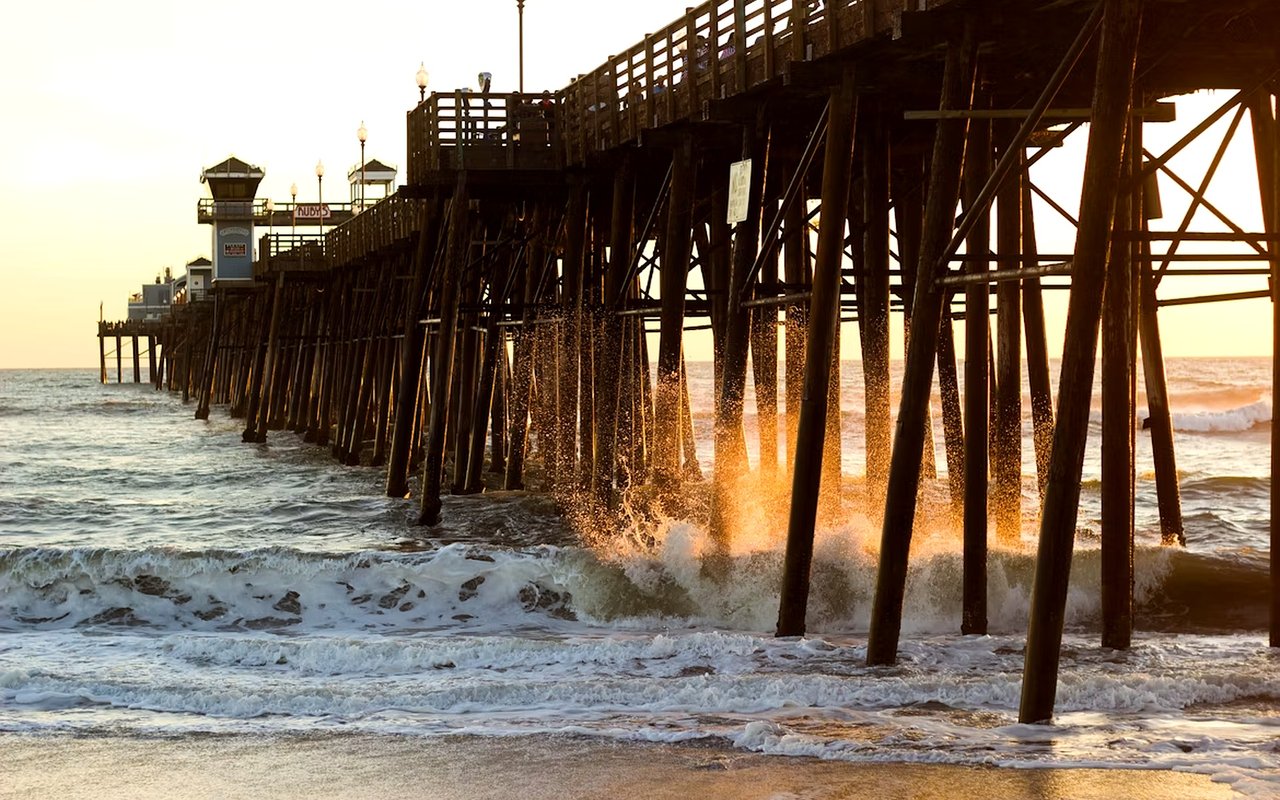
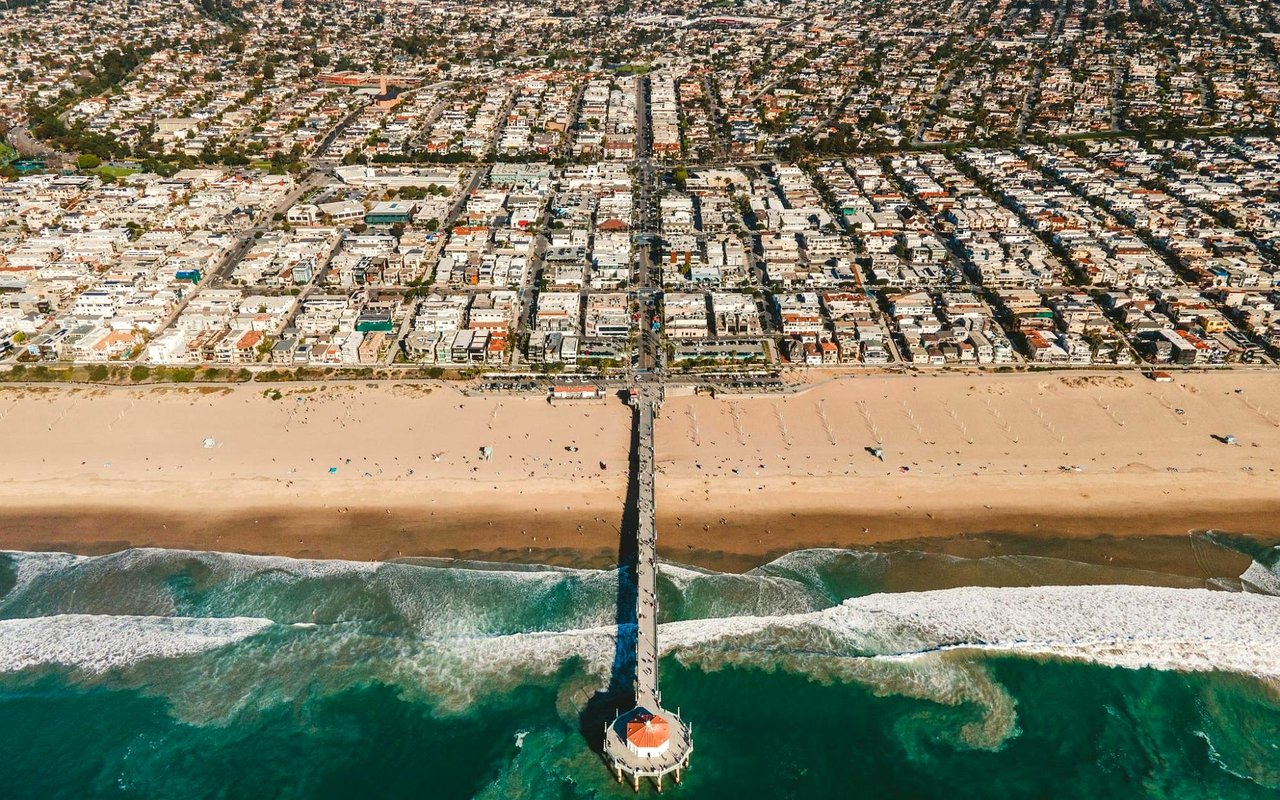
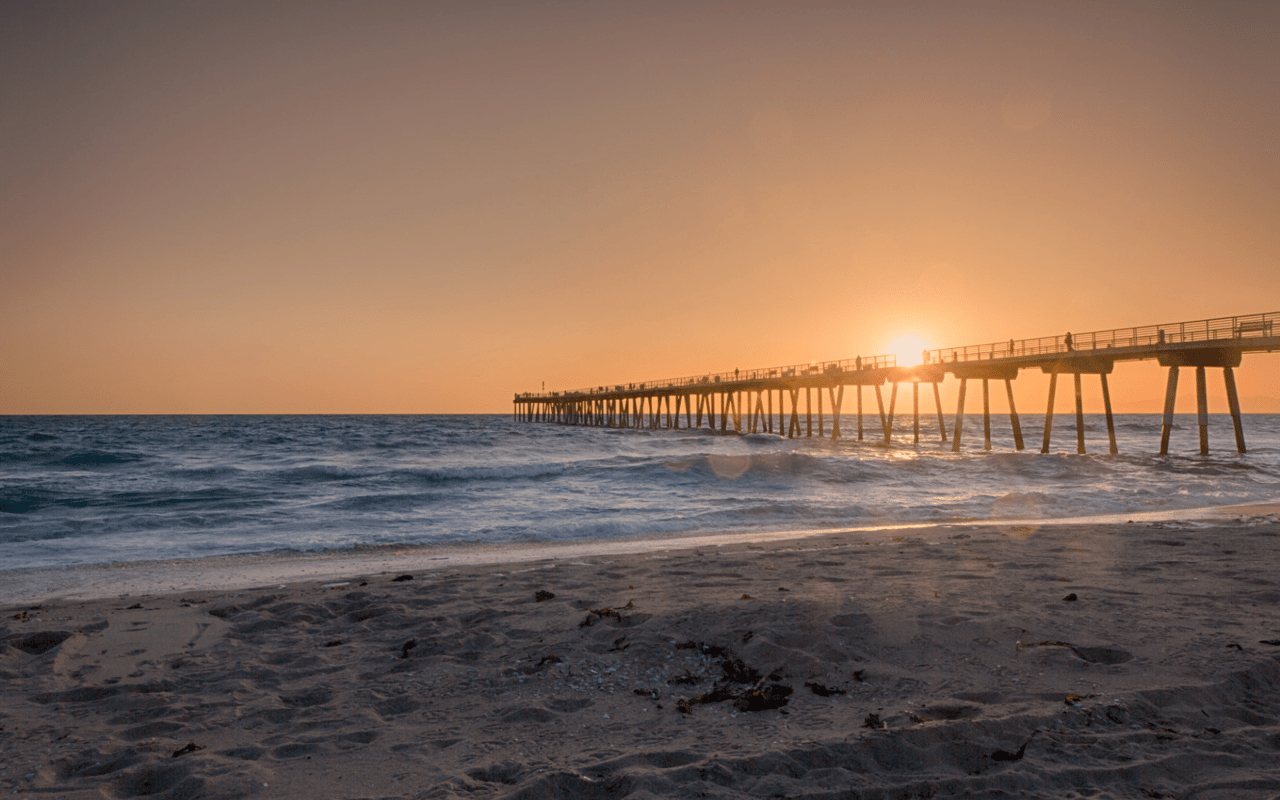
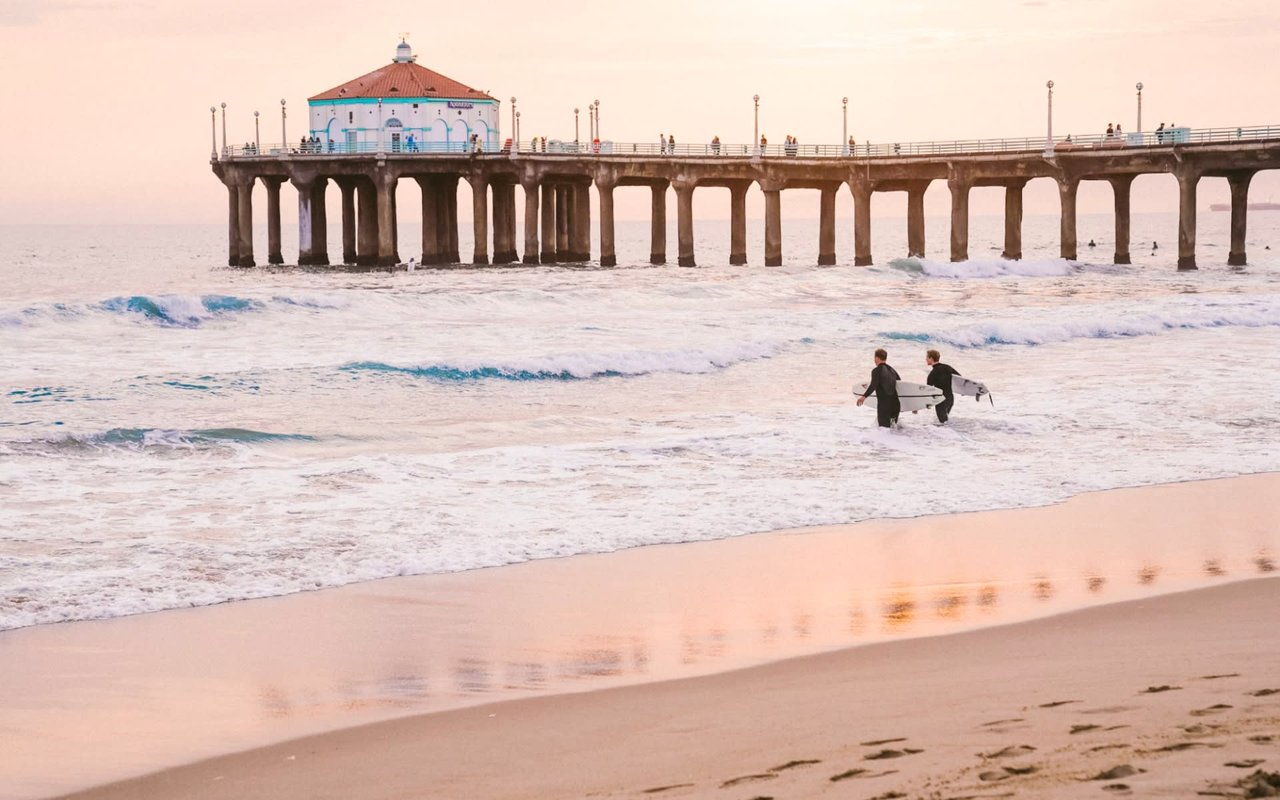
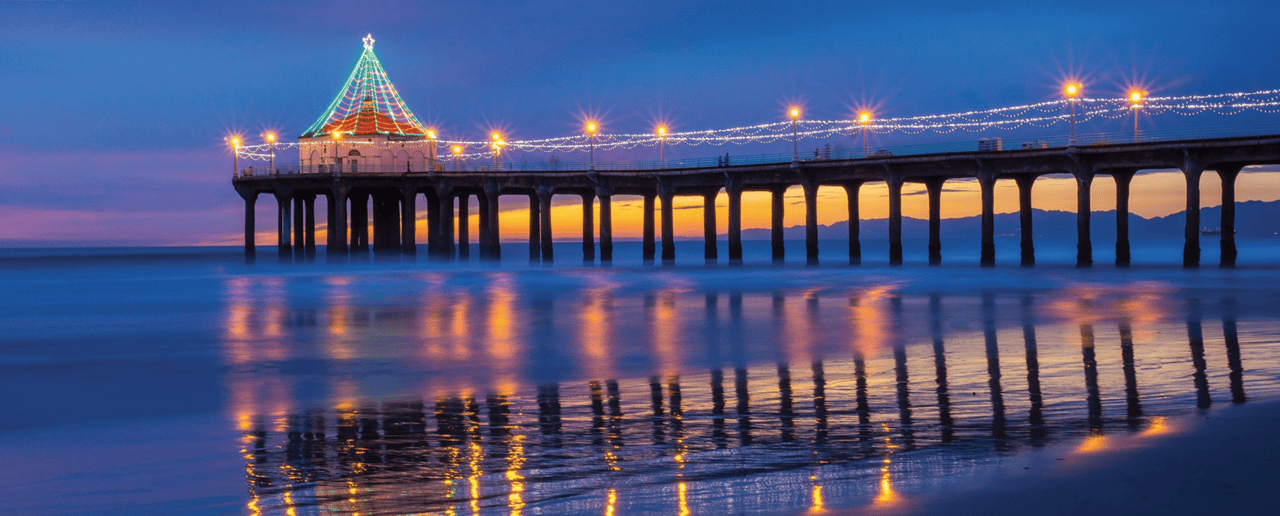
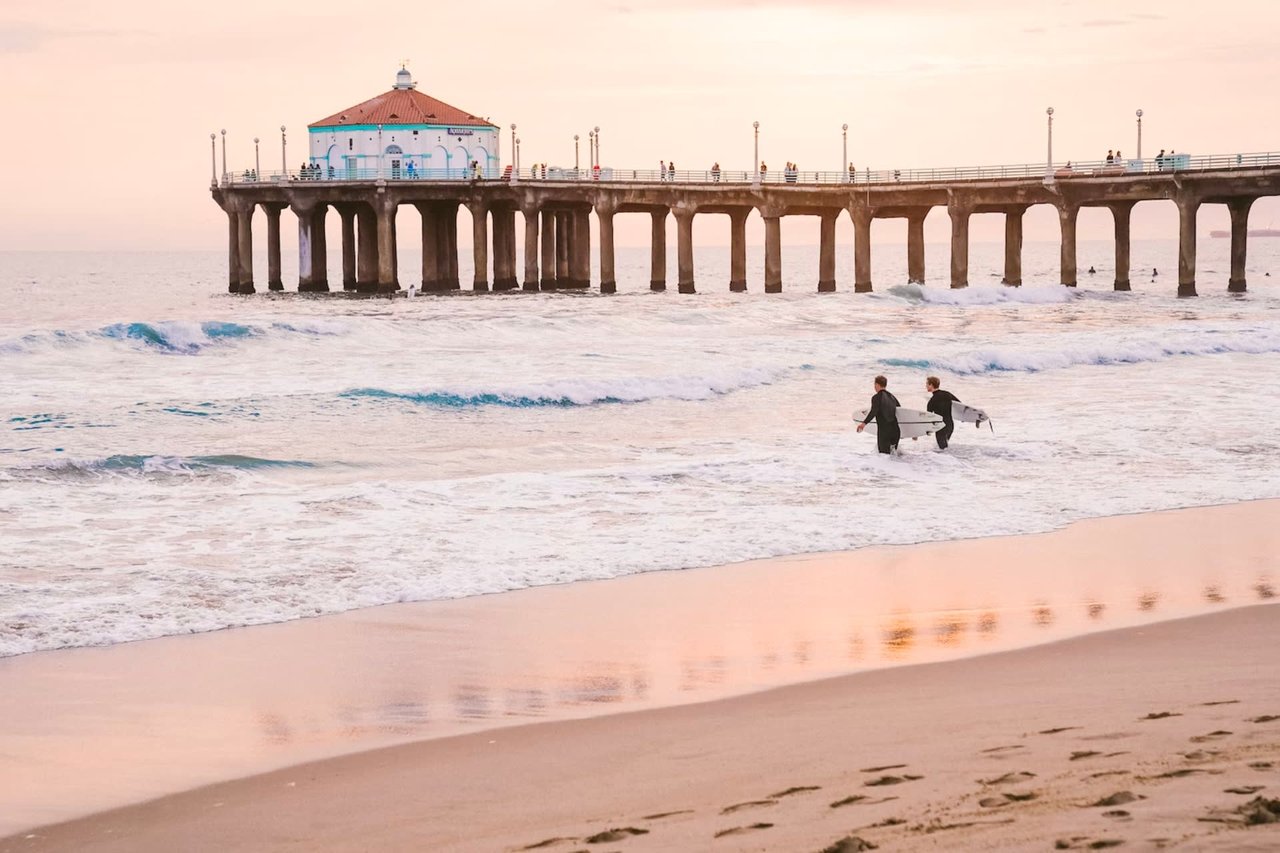
The pier is impossible to miss from anywhere in Manhattan Beach — and hard to walk past without stopping. It stretches 928 feet into the Pacific at the end of Manhattan Beach Boulevard, and the octagonal building perched at its tip has been a fixture of this coastline for over a century. Here is what makes both worth your time.
Key Takeaways
-
The Manhattan Beach Pier, built in 1920, is the oldest concrete pier on the West Coast and a California State Historic Landmark
-
The Roundhouse Aquarium at the end of the pier is free to visit and houses more than 100 marine species native to Southern California waters
-
The pier is a favorite spot for fishing, photography, sunset watching, and the annual Manhattan Beach Open volleyball tournament
-
For buyers considering Manhattan Beach, the pier anchors a lifestyle that is genuinely distinct from every other coastal market in Southern California
A Pier Built to Last
Designed by city engineer A.L. Harris, the current pier opened on July 5, 1920. His key innovation was the rounded end, designed to reduce the force of Pacific swells on the structure. More than a century later, the pier is still standing — designated a California State Historic Landmark in 1995 as the oldest remaining example of early reinforced concrete pier construction on the West Coast.
The octagonal building at the end came two years later, completed in 1922 as a pavilion. Oceanographic Teaching Stations, a local nonprofit, converted it into a marine science teaching center in 1979, and the Roundhouse Marine Studies Lab and Aquarium officially opened in 1981. A $4 million renovation completed in 2018 — funded in part by the Harrison Greenberg Foundation — gave the building a full interior remodel and updated exhibits while preserving its historic character.
The octagonal building at the end came two years later, completed in 1922 as a pavilion. Oceanographic Teaching Stations, a local nonprofit, converted it into a marine science teaching center in 1979, and the Roundhouse Marine Studies Lab and Aquarium officially opened in 1981. A $4 million renovation completed in 2018 — funded in part by the Harrison Greenberg Foundation — gave the building a full interior remodel and updated exhibits while preserving its historic character.
Pier Facts Worth Knowing
-
Length: 928 feet
-
Built: 1917–1920, dedicated July 5, 1920
-
Designated a California State Historic Landmark in 1995
-
Managed by the Los Angeles County Department of Beaches and Harbors
-
The Volleyball Walk of Fame, embedded in the pier deck, honors past Manhattan Beach Open champions
What You Will Find at the Roundhouse Aquarium
The Roundhouse is free to visit — a suggested donation of $5 per person or $10 per family supports operations — and draws more than 300,000 visitors a year. It is operated entirely by Oceanographic Teaching Stations, a local nonprofit.
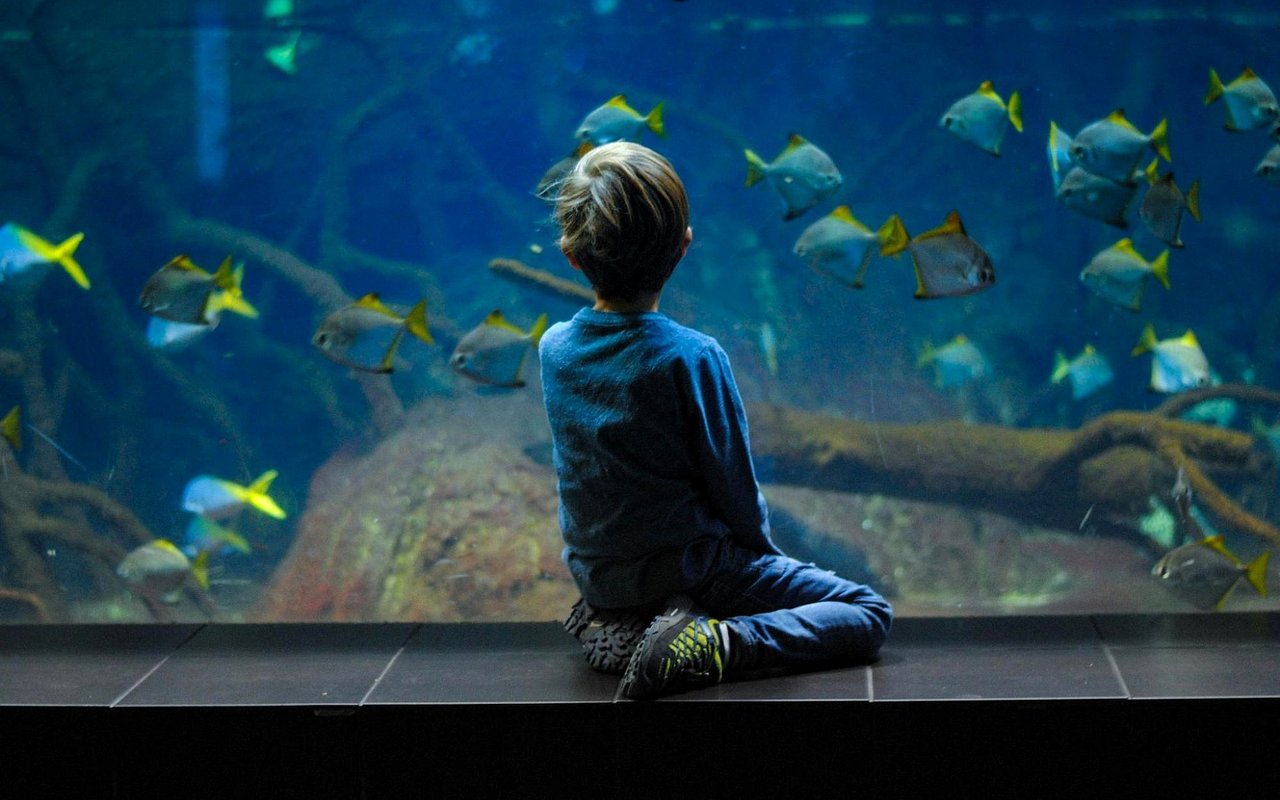
Inside, more than 100 marine animals from Southern California's local waters are on display across four galleries. You will find a rocky reef tank, a kelp forest tank, an octopus tank, a seahorse tank, and a pier piling tank that shows what lives beneath the structure.
Inside, more than 100 marine animals from Southern California's local waters are on display across four galleries. You will find a rocky reef tank, a kelp forest tank, an octopus tank, a seahorse tank, and a pier piling tank that shows what lives beneath the structure.
What Lives at the Roundhouse
-
Moon jellies, moray eels, octopus, and sheephead
-
Sharks, lobsters, round rays, and garibaldi
-
Seahorses, pipefish, and sea anemones
-
Touch tank with sea stars, sea cucumbers, sea urchins, and sea snails
The touch tank is the highlight. You can handle animals native to Santa Monica Bay under the guidance of knowledgeable staff and volunteers. The Roundhouse also runs summer camps, birthday parties, and field trip programs, and takes marine science into classrooms through its outreach van.
Hours run Monday through Friday from 2 to 7 p.m. and Saturday and Sunday from 10 a.m. to 7 p.m. during summer months (April through September). Winter hours are shorter — 2 to 5 p.m. on weekdays and 10 a.m. to 5 p.m. on weekends.
Hours run Monday through Friday from 2 to 7 p.m. and Saturday and Sunday from 10 a.m. to 7 p.m. during summer months (April through September). Winter hours are shorter — 2 to 5 p.m. on weekdays and 10 a.m. to 5 p.m. on weekends.
More Than the Aquarium
Fishing has been one of the pier's defining traditions since it opened — barred surfperch are the most common catch. Equipment rentals and a bait shop are at the entrance.
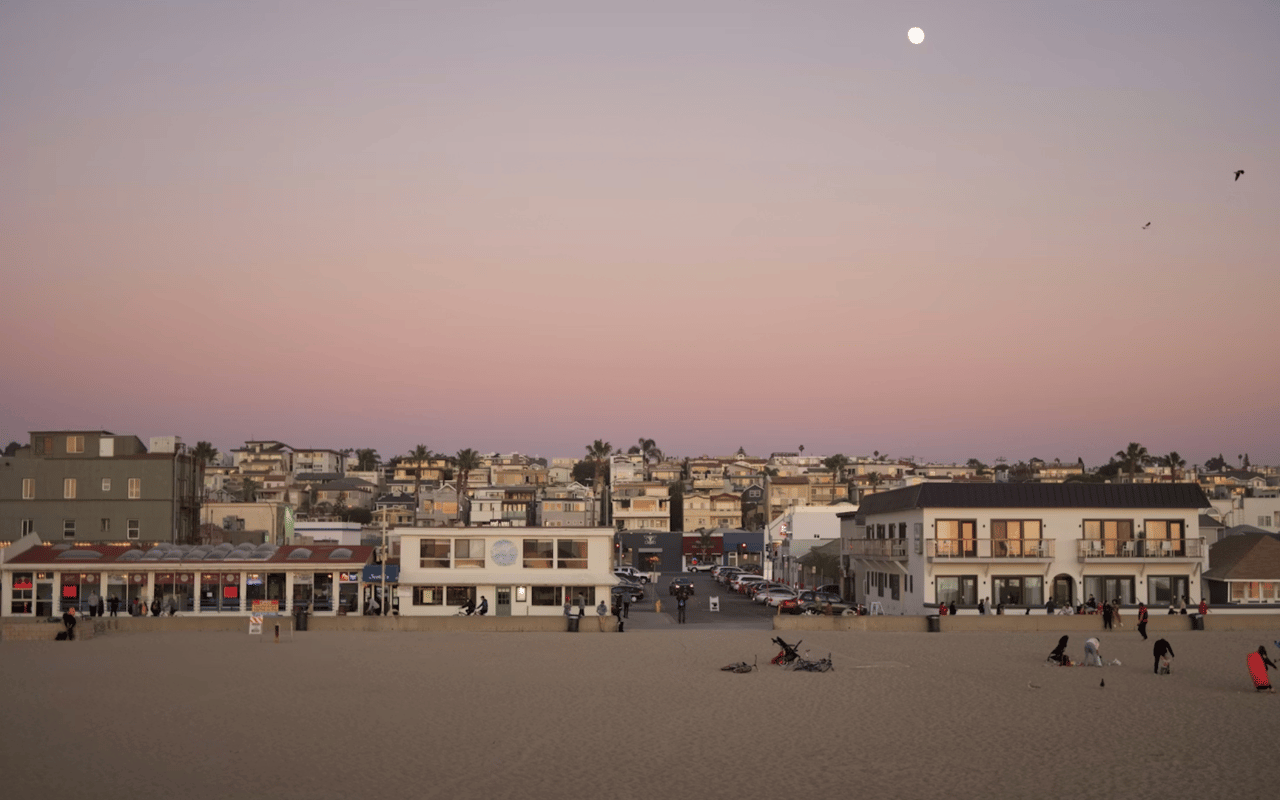
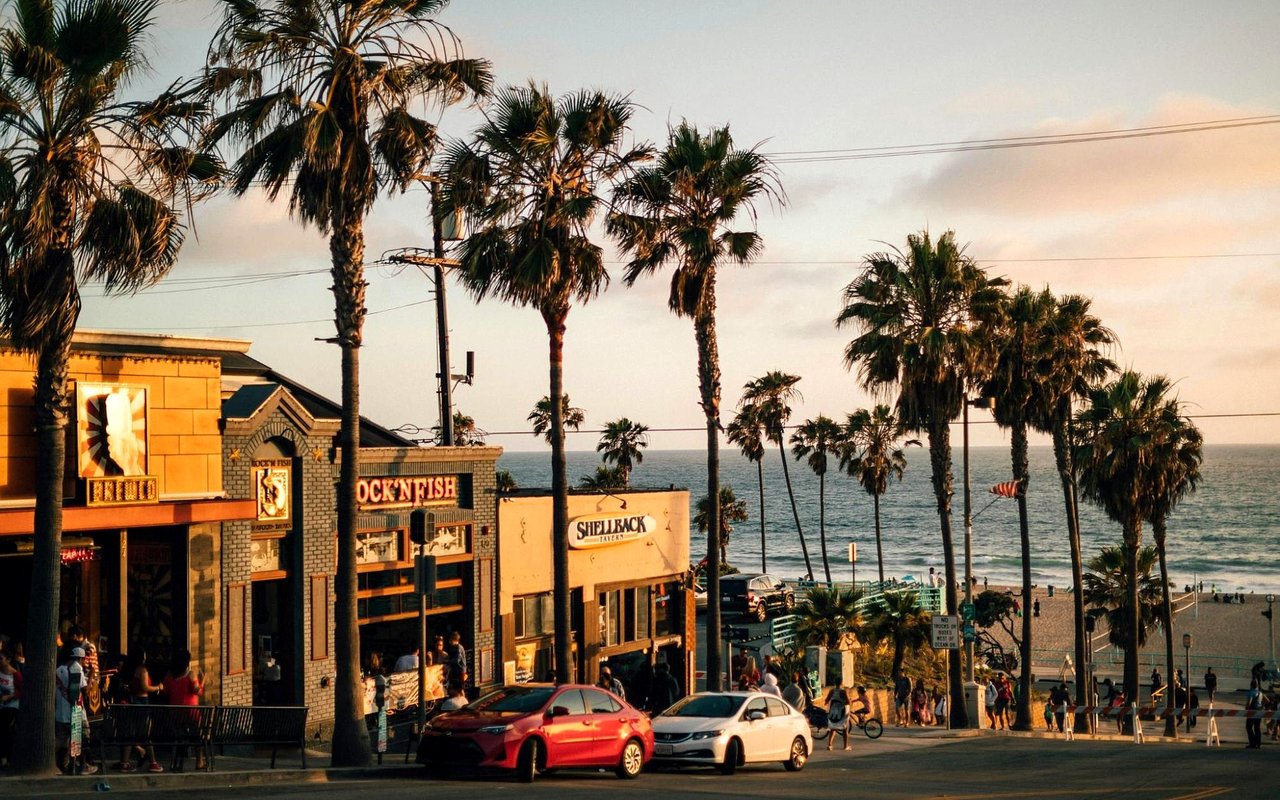
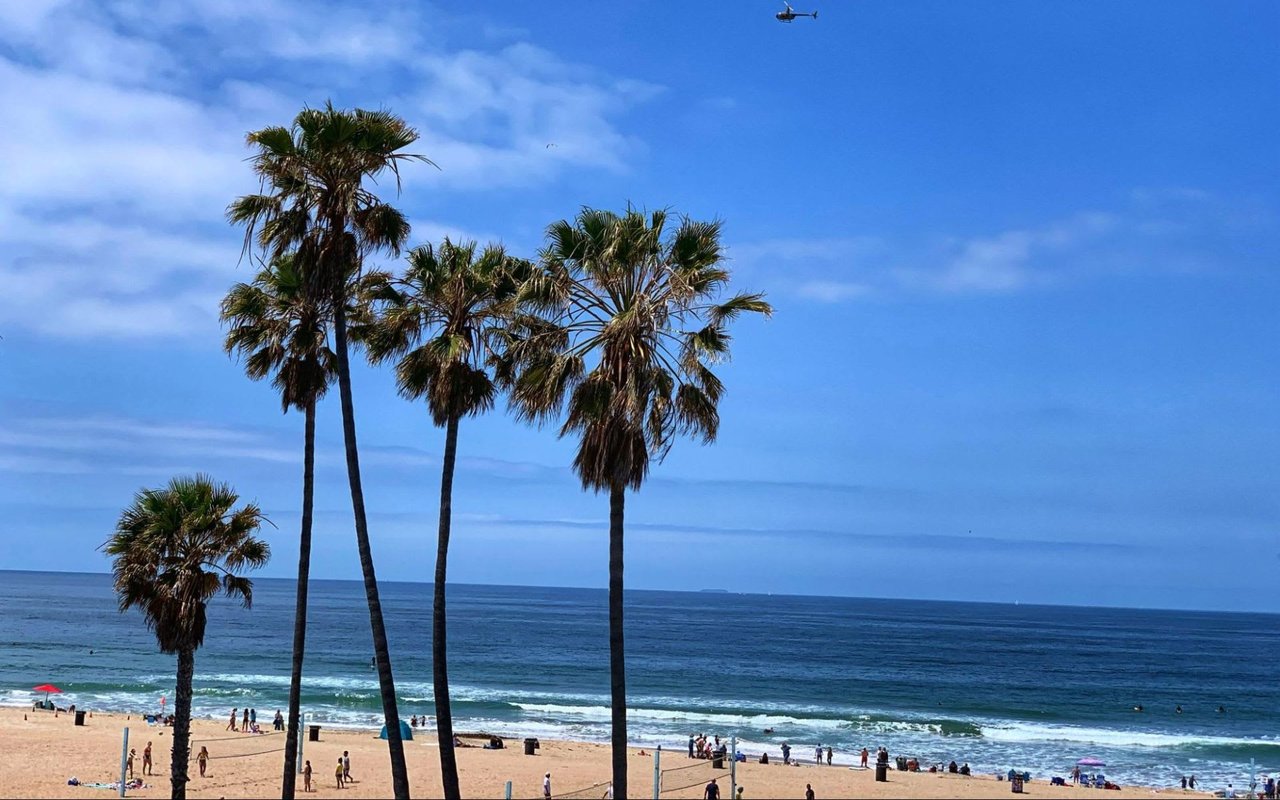
The views looking back toward shore tell the story. On a clear day you can see toward Palos Verdes and Malibu, surfers in the water below, The Strand running in both directions. Photographers and painters are regulars at sunrise and sunset.
The views looking back toward shore tell the story. On a clear day you can see toward Palos Verdes and Malibu, surfers in the water below, The Strand running in both directions. Photographers and painters are regulars at sunrise and sunset.
Other Things to Do at the Pier
-
Surf watching: The break at the pier is one of the more consistent spots along this stretch of coast
-
Volleyball Walk of Fame: Plaques honoring Manhattan Beach Open champions line the pier deck
-
Dining and shopping: Restaurants and boutiques line the streets around the pier entrance in Downtown Manhattan Beach
-
The Strand: The bike path and walkway runs north to south directly alongside the pier, connecting to Hermosa Beach and Redondo Beach
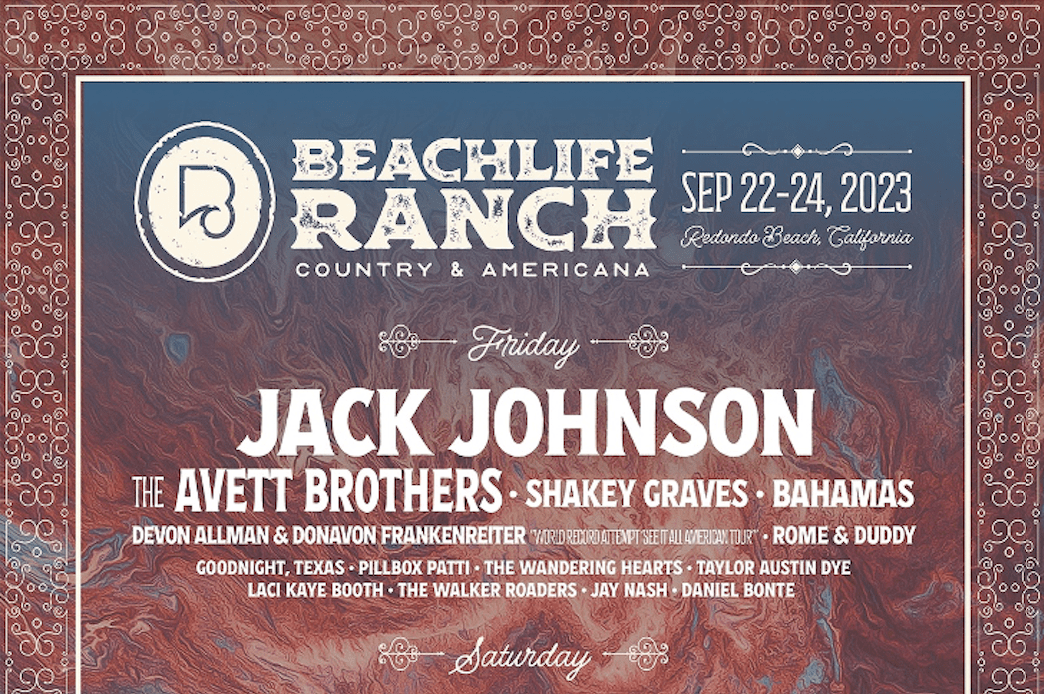
The Manhattan Beach Open, held each August at the base of the pier, has been a fixture here for more than 65 years. The 2026 tournament is scheduled for August 14 through 16.
Why This Matters for Buyers
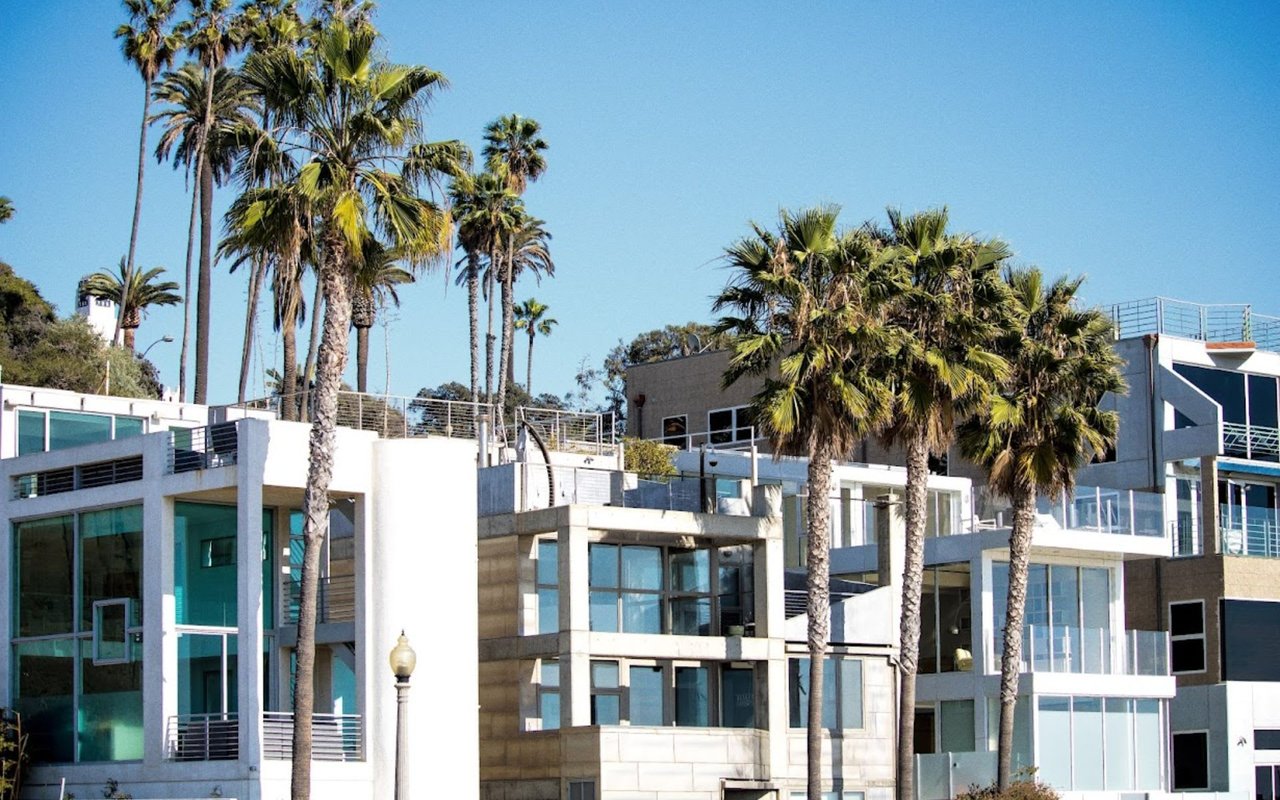
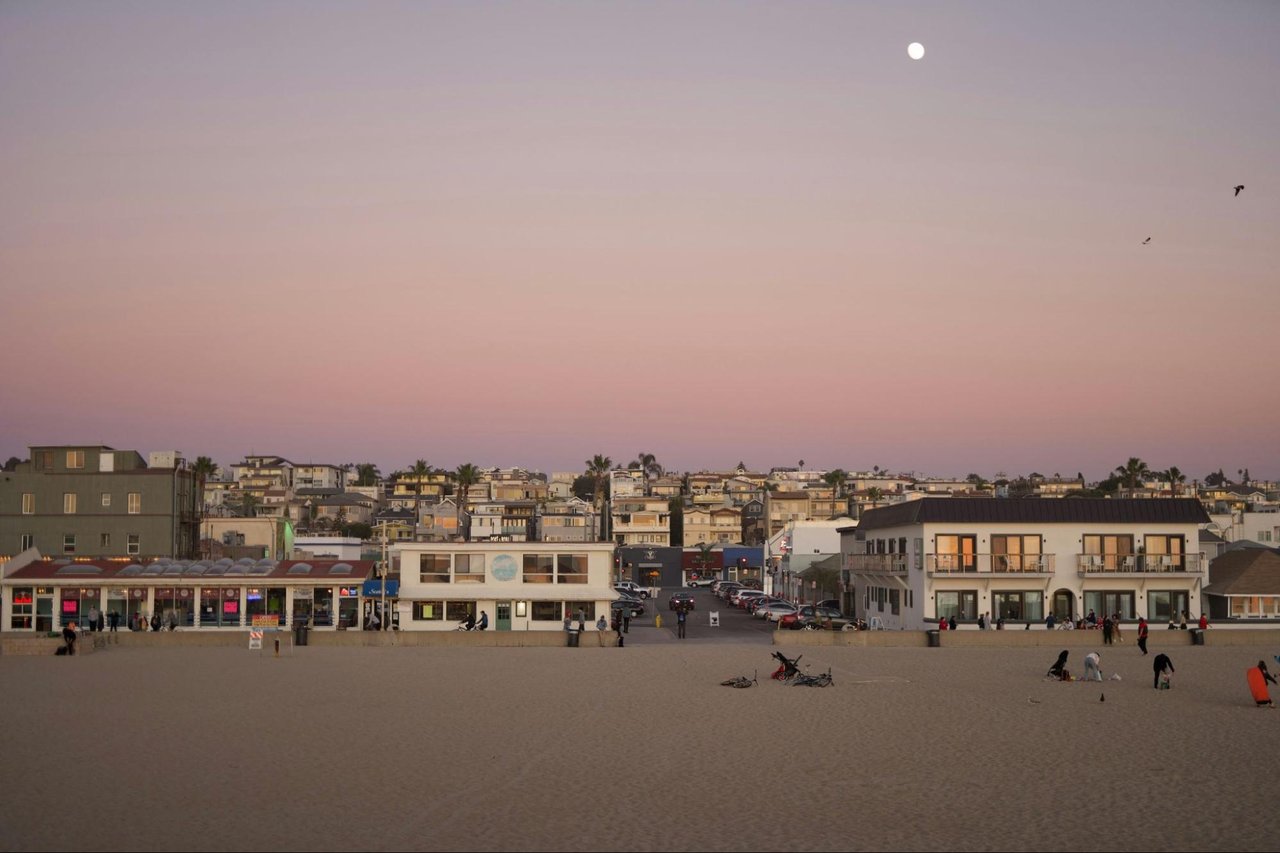
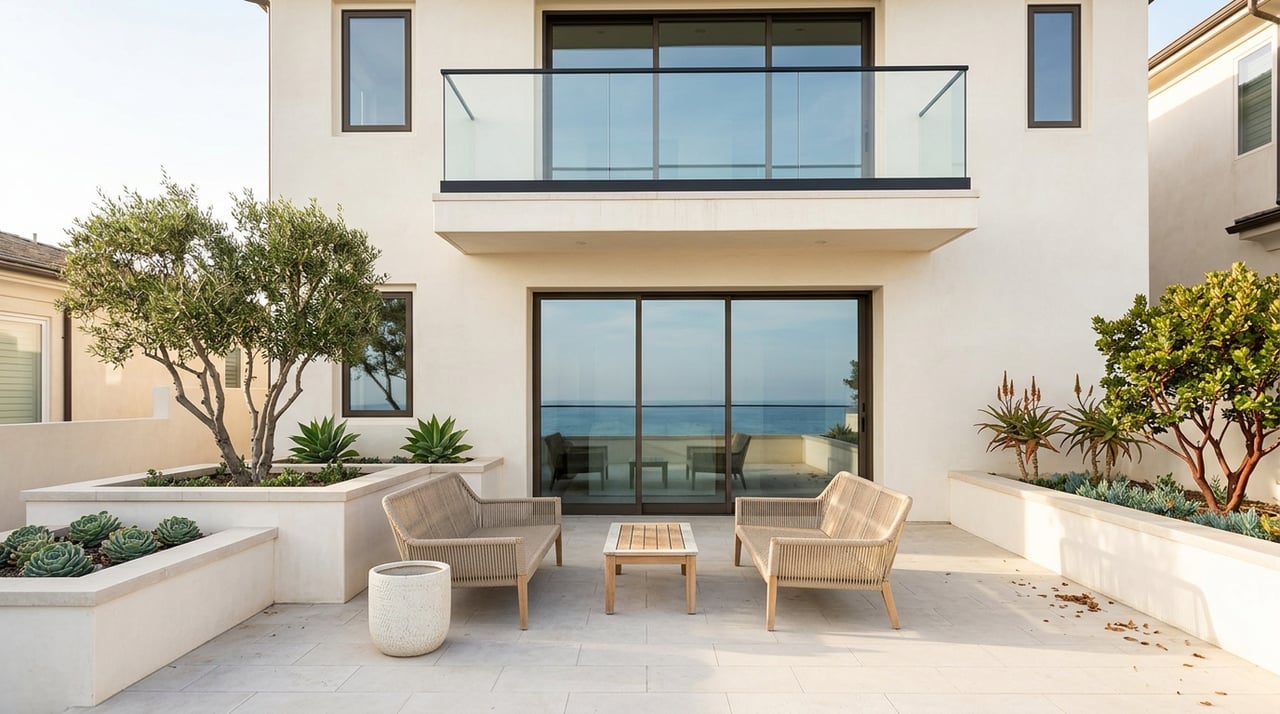
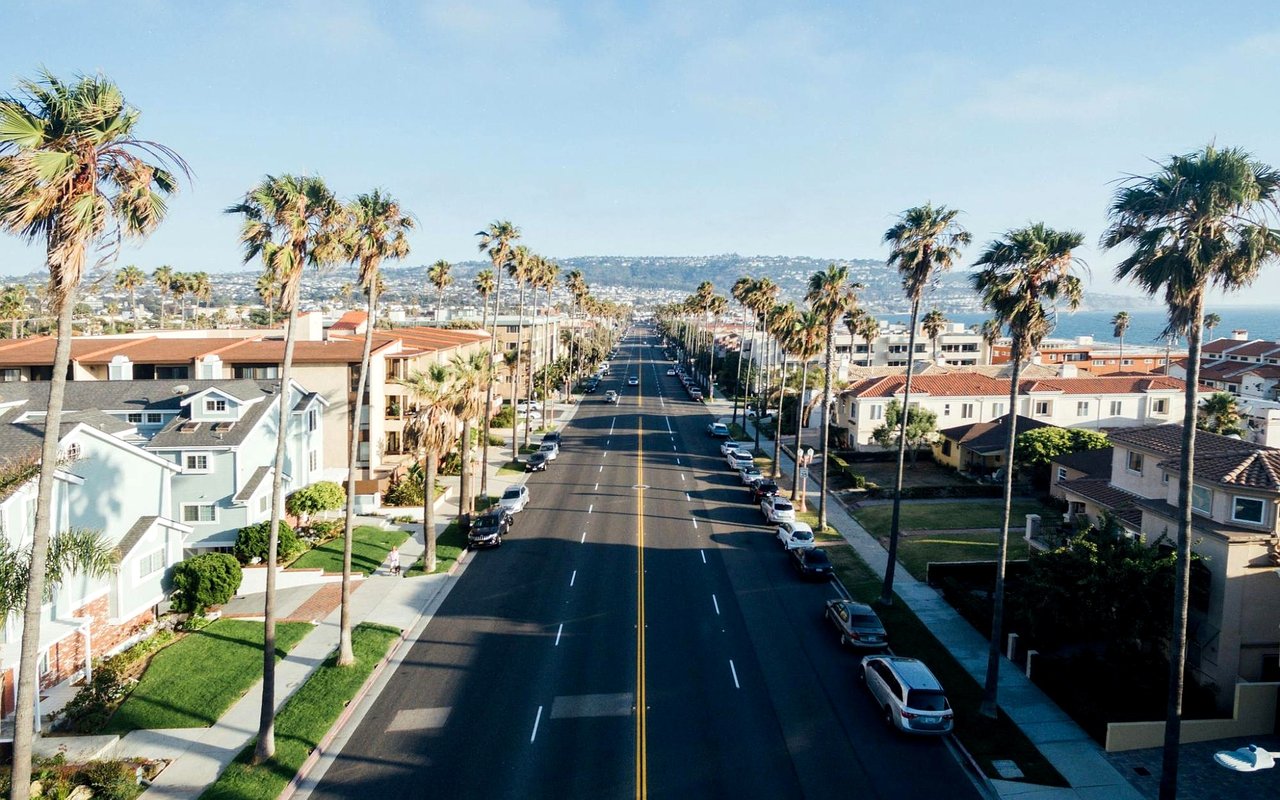
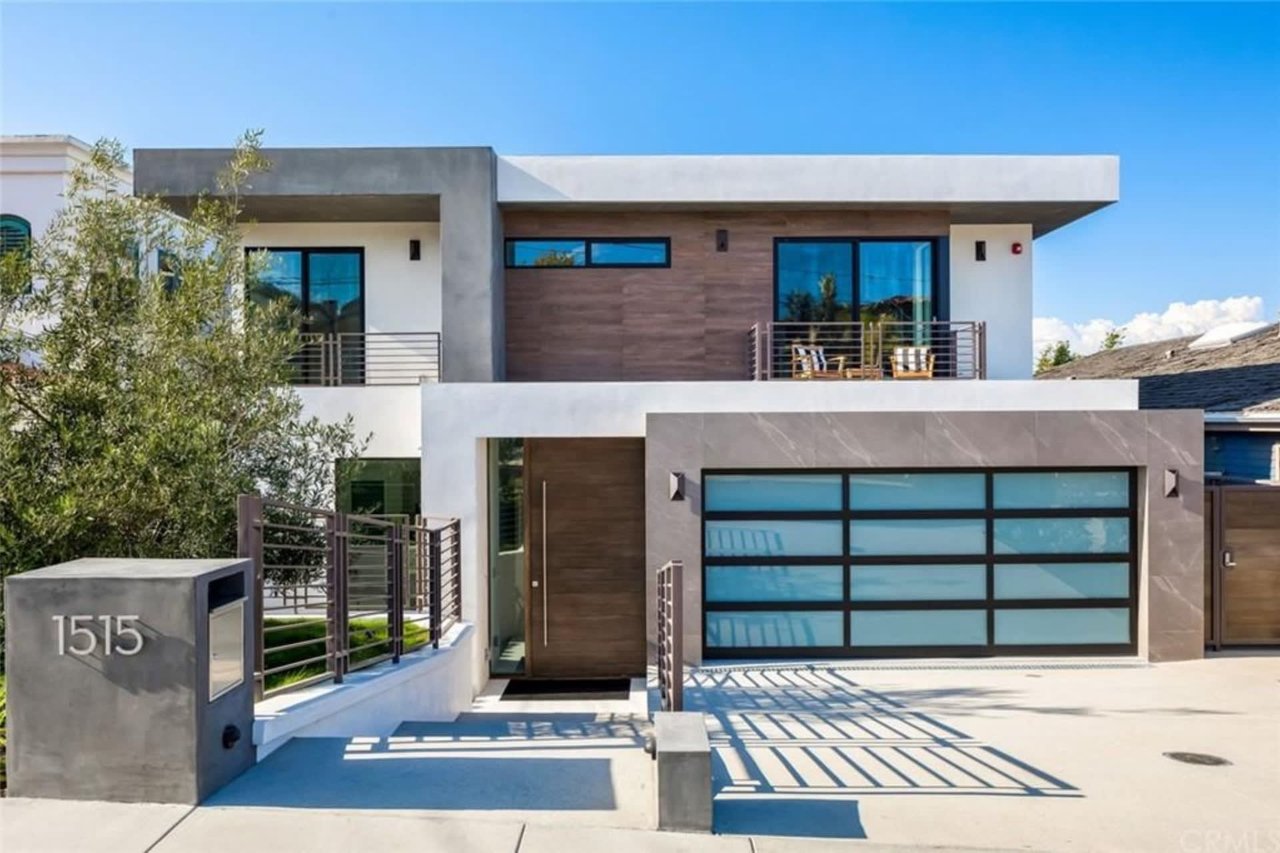
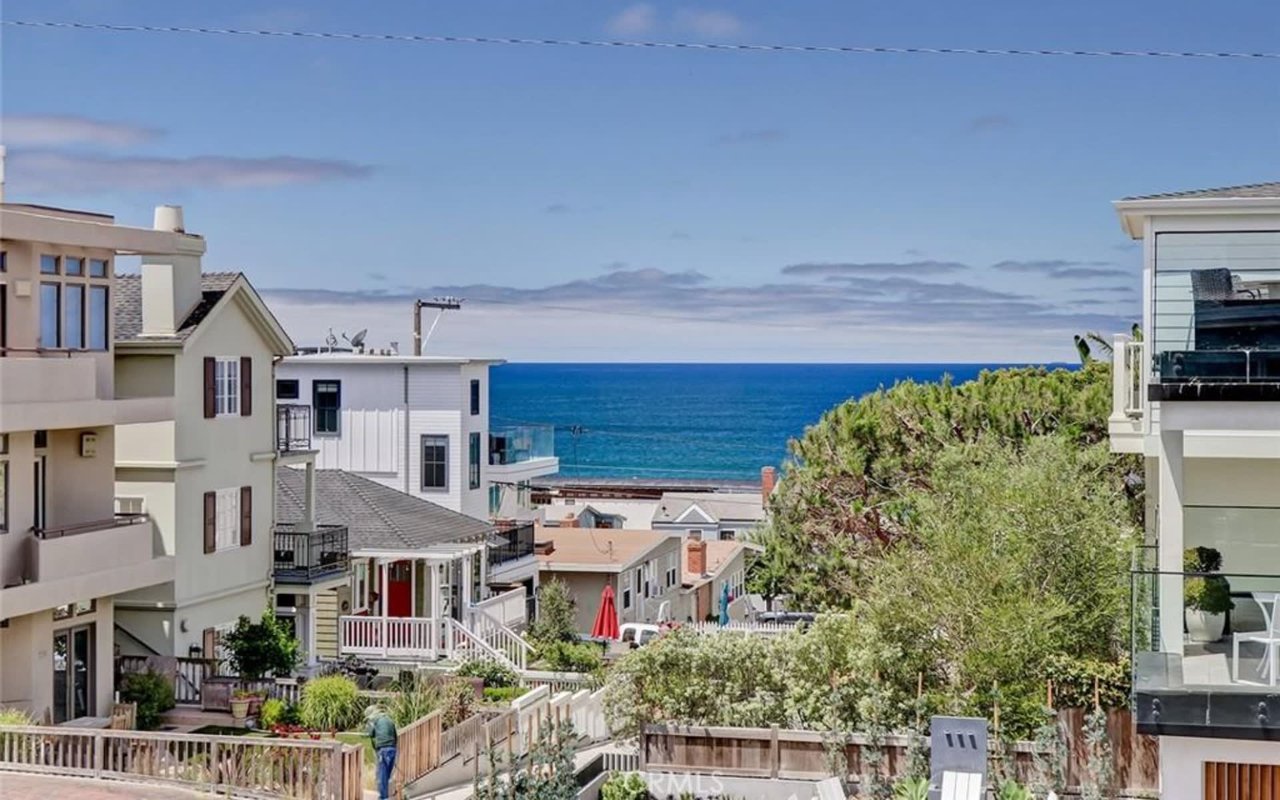
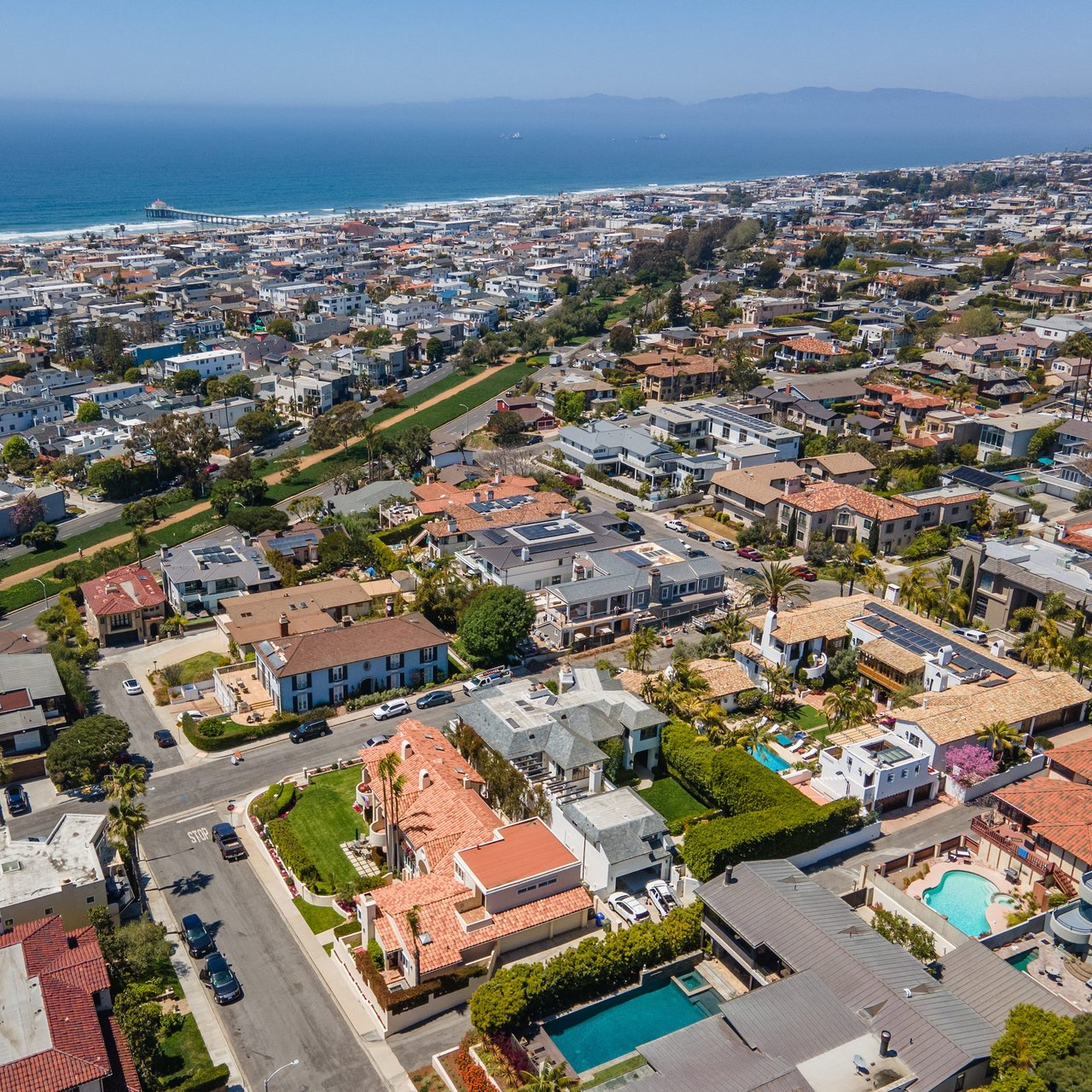
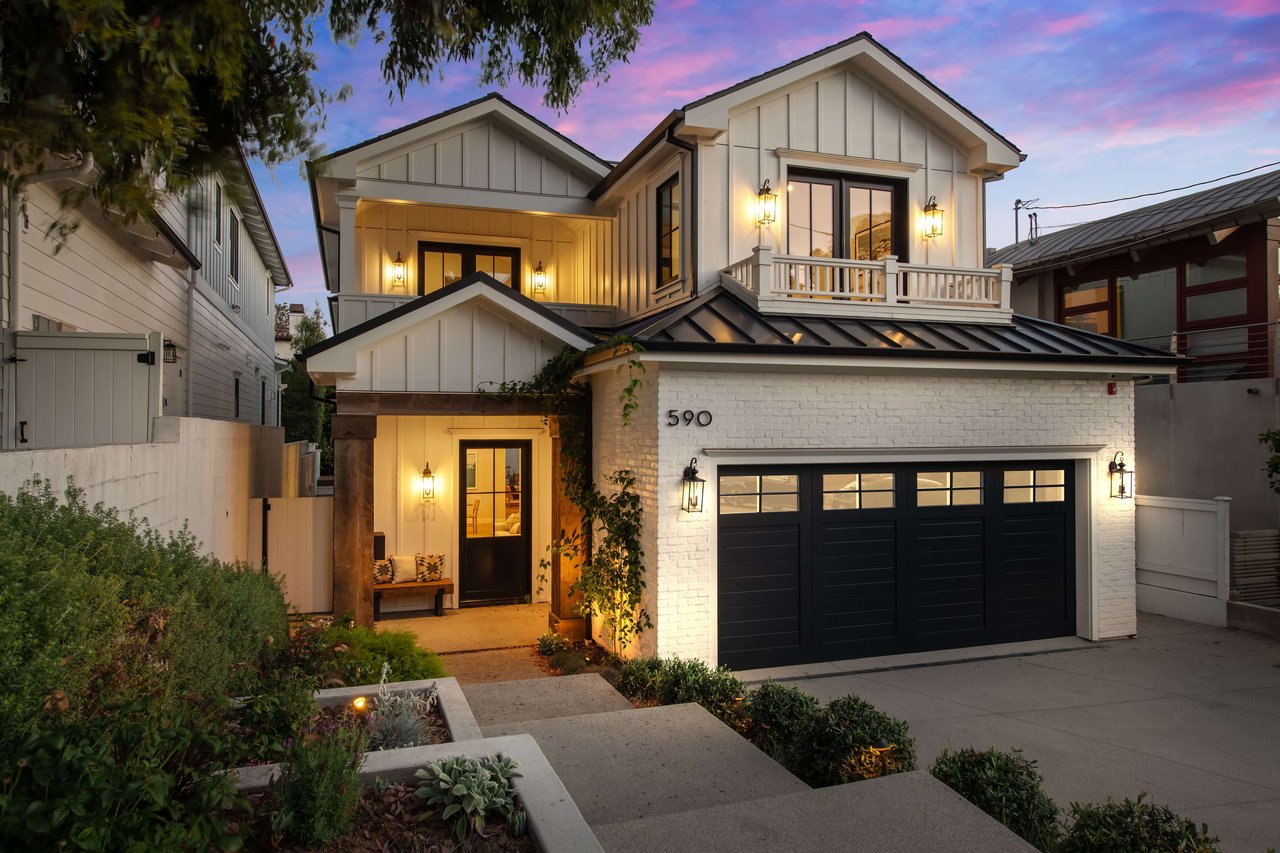
Proximity to the pier is one of the strongest pricing factors in the Sand Section. Homes within walking distance — especially on walkstreets or with ocean views — carry premiums that reflect what the location feels like to live in, something the numbers alone do not capture.
What the Pier Means for the Sand Section
-
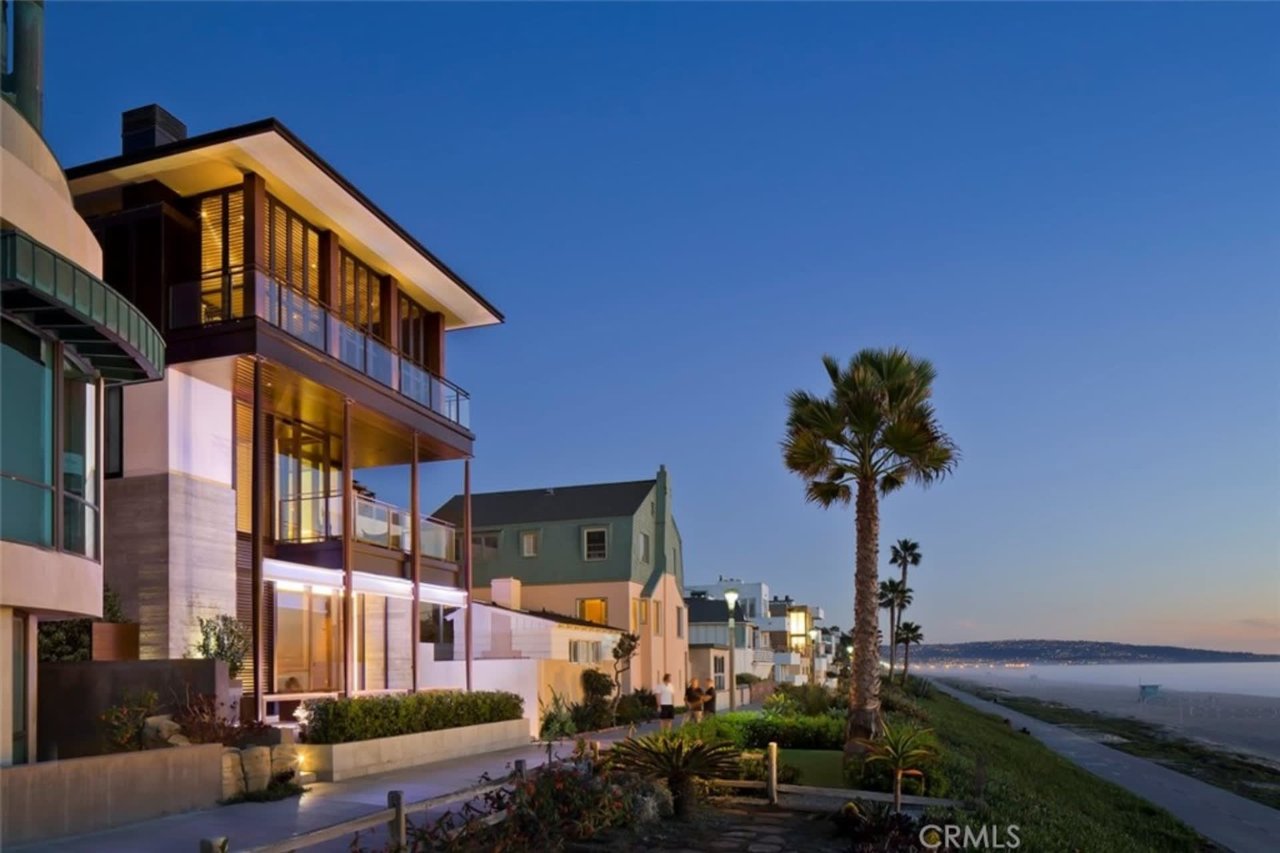
Walkstreet homes and Strand-fronting properties near the pier command some of the highest prices per square foot in the city
-
Ocean views of the pier and coastline are a consistent pricing premium across the Sand Section
-
The walkable access to the pier, Downtown Manhattan Beach, and The Strand is what distinguishes this market from every other coastal neighborhood in the South Bay
-
For buyers who have visited and walked the pier, the decision to focus their search here rarely needs more explanation
What we hear most often from buyers who choose this part of the market is that the pier was part of the decision — not as a landmark, but as a daily part of the life they were buying into.
Frequently Asked Questions
Is the Roundhouse Aquarium really free?
Yes. Admission is free, though the Roundhouse is a nonprofit that relies on donations to operate. A suggested donation of $5 per person or $10 per family is appreciated. No tickets are required — you walk in during public hours.
Can you fish from the Manhattan Beach Pier?
Yes. The pier has been known for fishing since it opened, and barred surfperch are the most common catch. Fishing equipment rentals and a bait shop are available at the pier entrance.
How does living near the pier affect home values?
Proximity to the pier and Downtown Manhattan Beach is one of the strongest pricing factors in the Sand Section. Walkstreet homes, Strand-fronting properties, and homes with pier views consistently command premiums that reflect the walkability and coastal access the location provides. If you want to understand what your budget gets you in this part of the market, we are glad to walk you through it.
Come See It for Yourself
The Manhattan Beach Pier is the kind of place that is easier to understand once you have been there. If you are exploring what it means to live in this community, we would love to show you around. Reach out to us, The Jen Caskey Group, and we can make that happen.