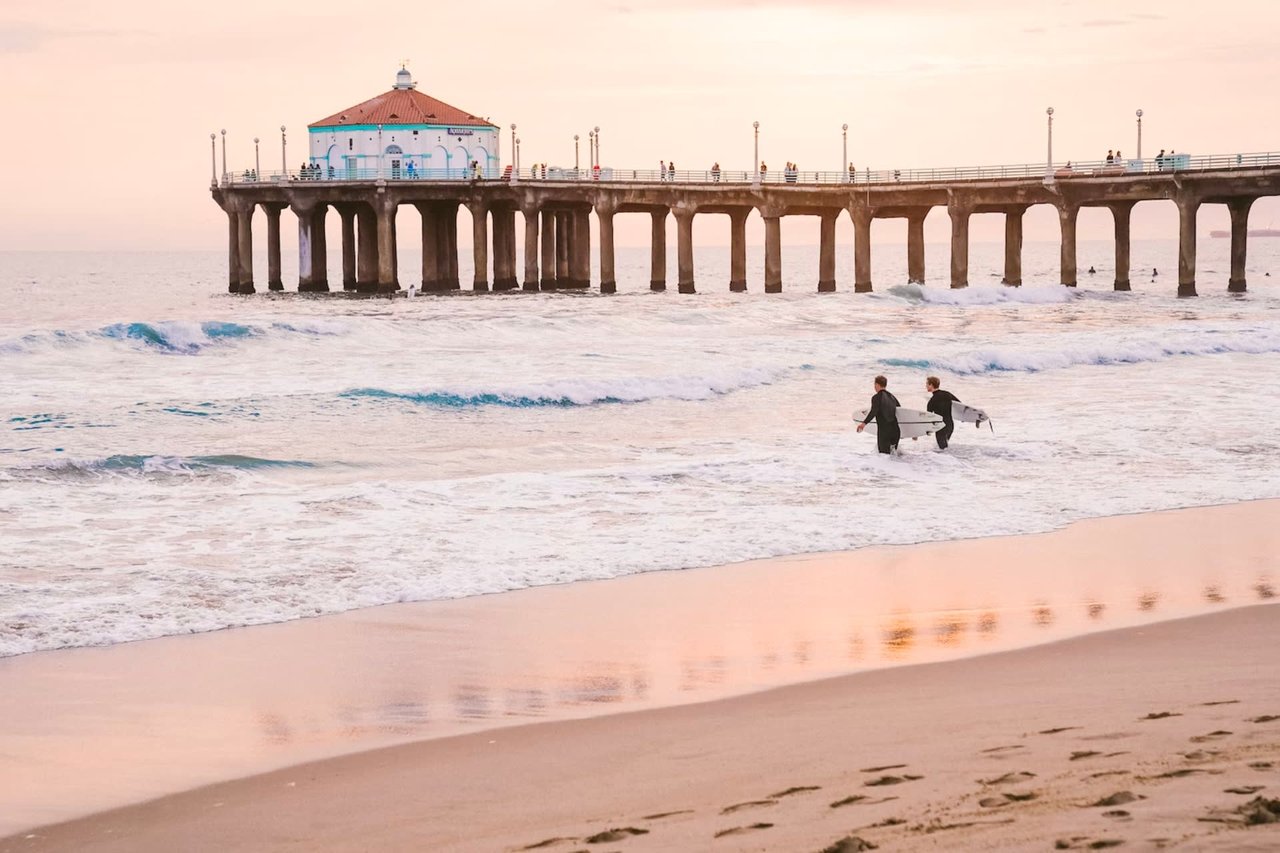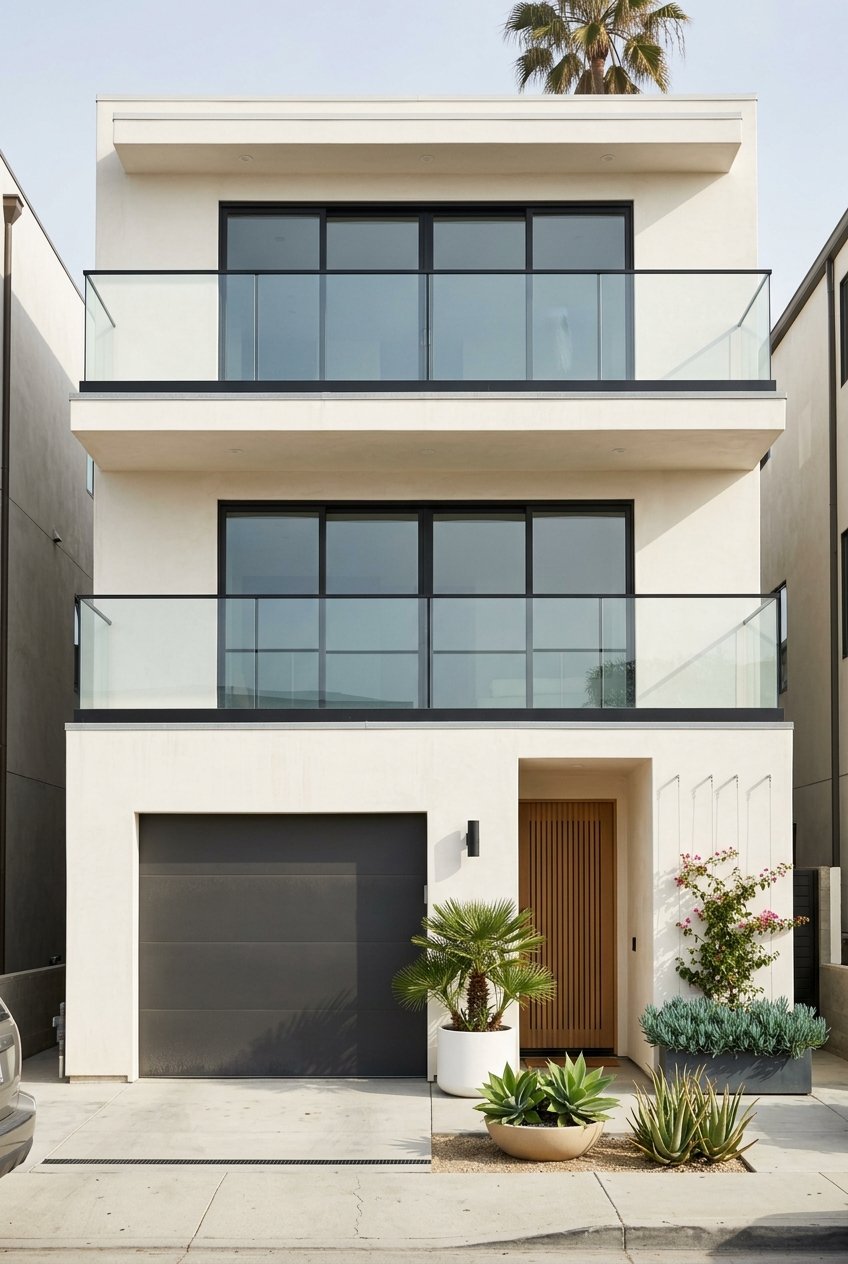
If you are thinking about buying in Hermosa’s Sand Section, one thing matters right away: not all blocks live the same. Two homes can sit just a few streets apart and feel very different when it comes to views, privacy, parking, access, and long-term flexibility. If you want to buy with confidence, it helps to understand how this micro-market works before you write an offer. Let’s dive in.
Why the Sand Section feels different
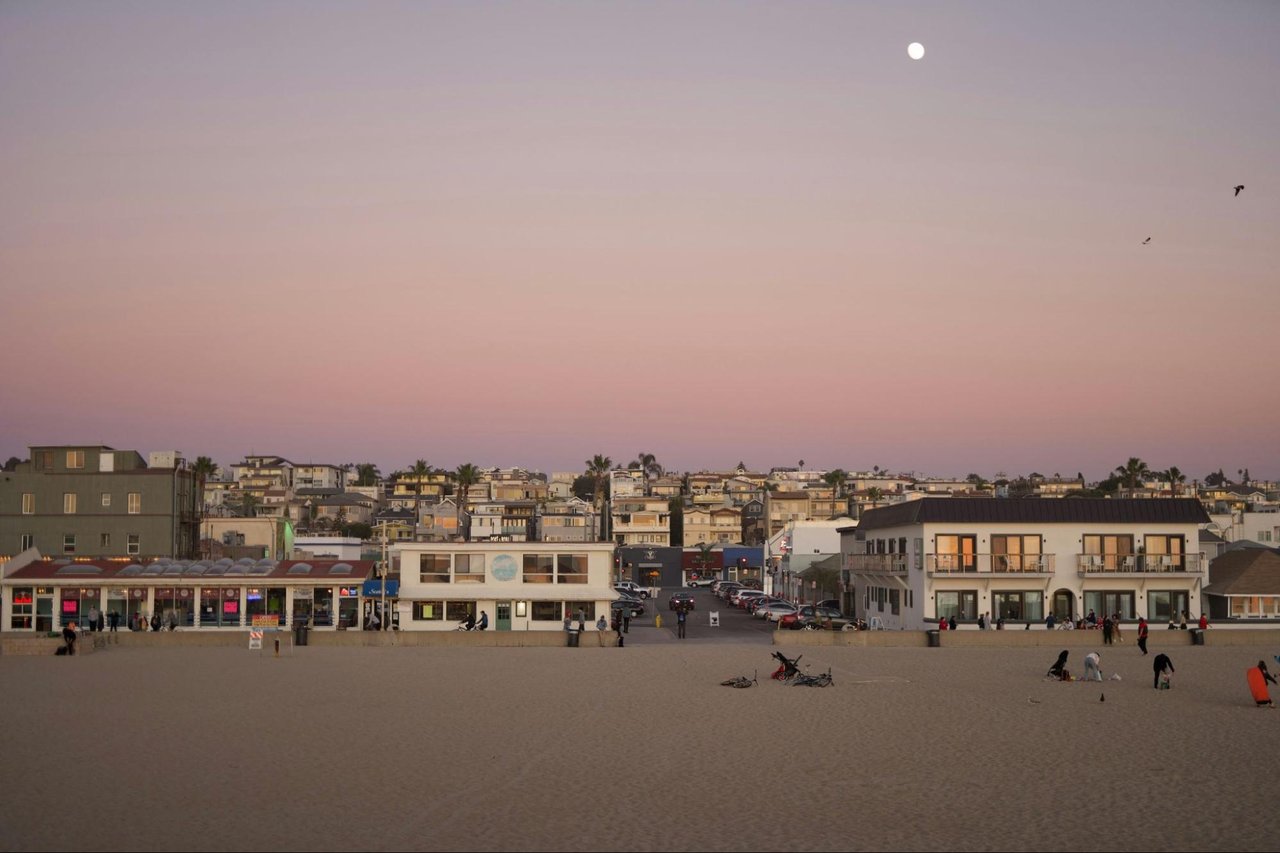
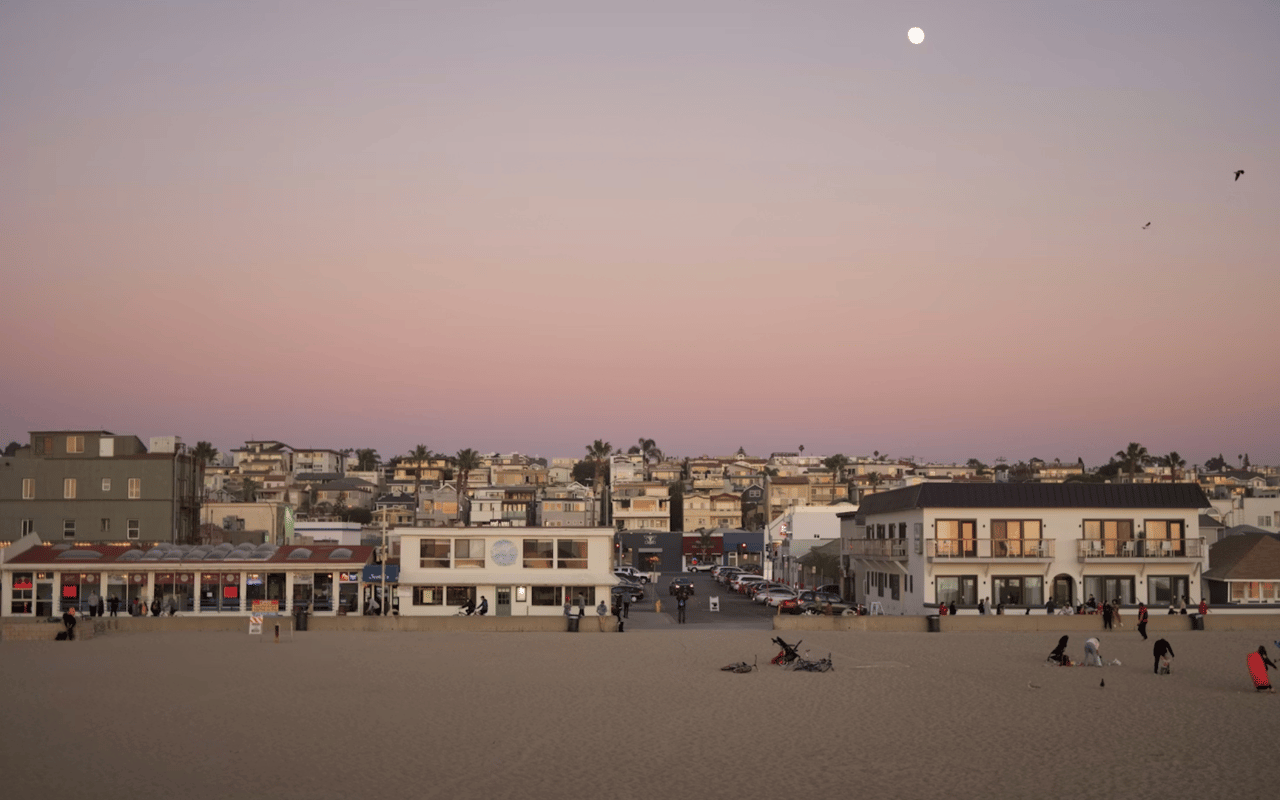
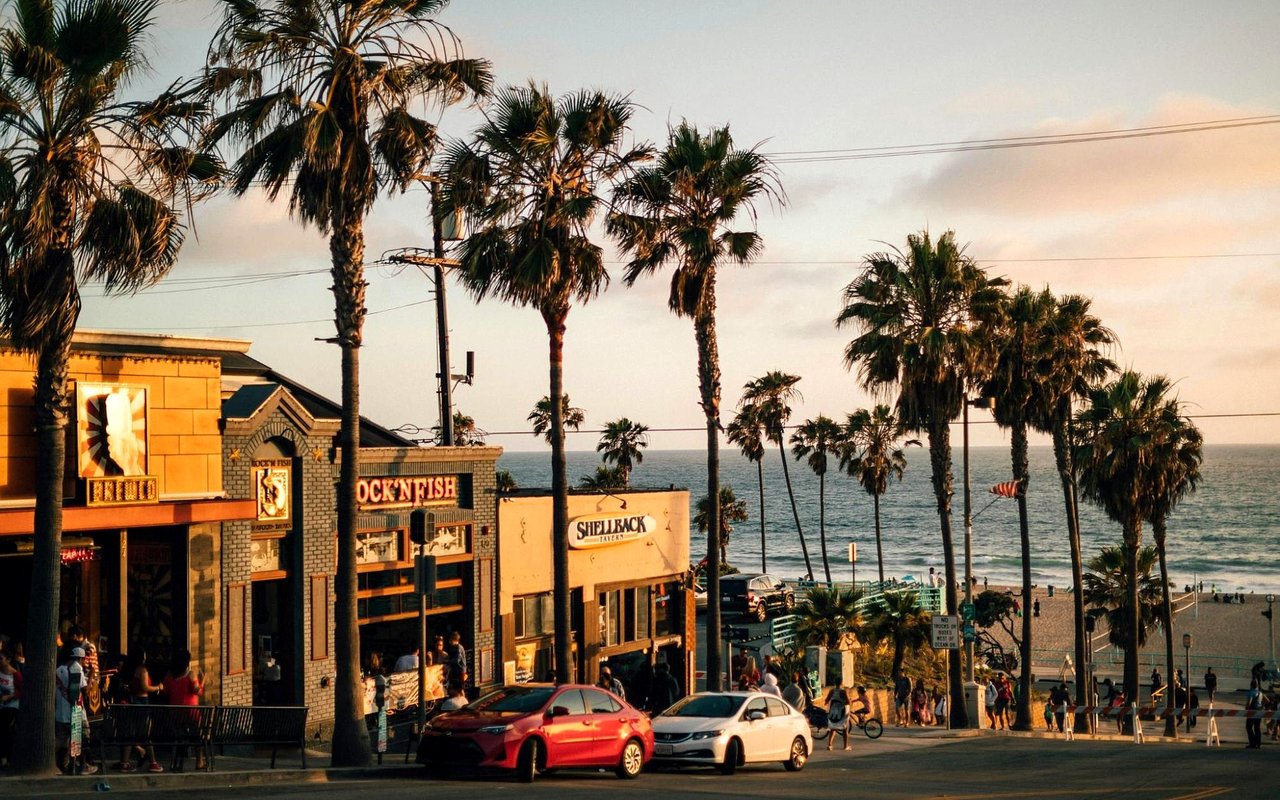
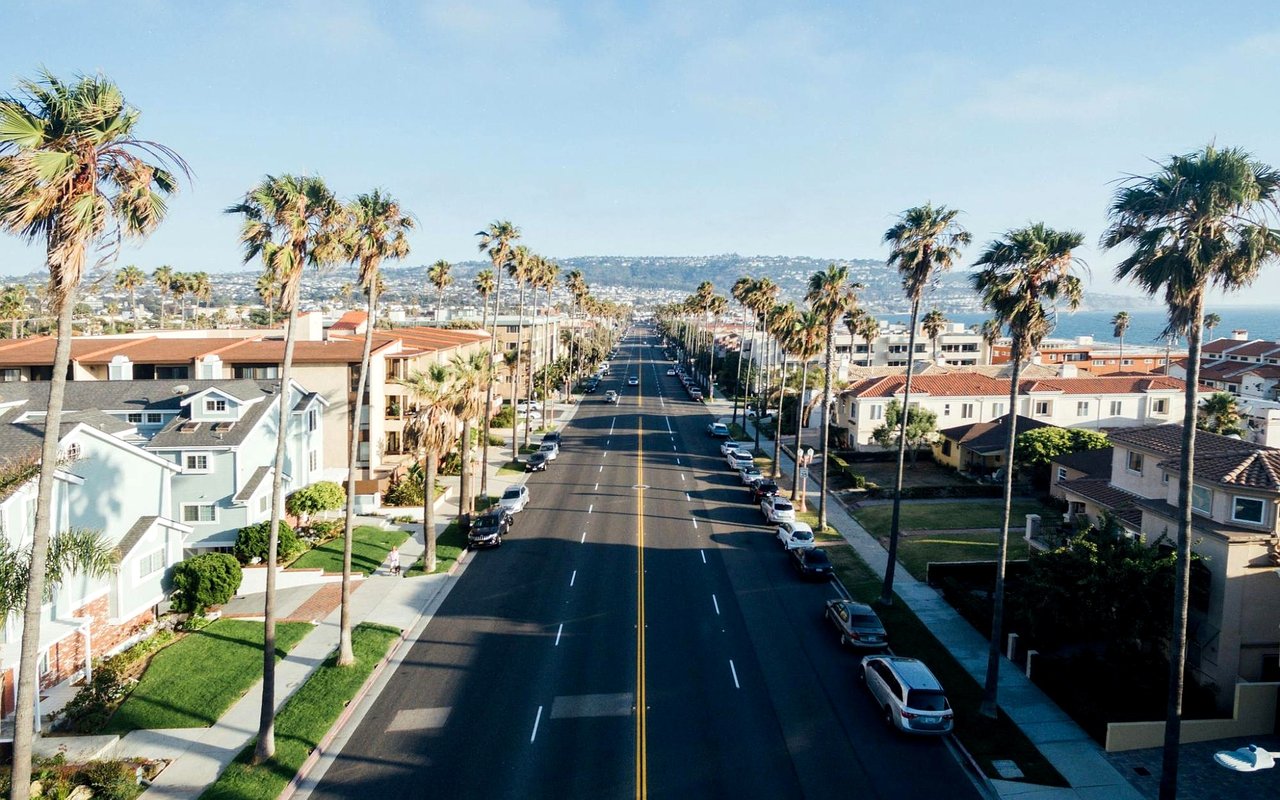
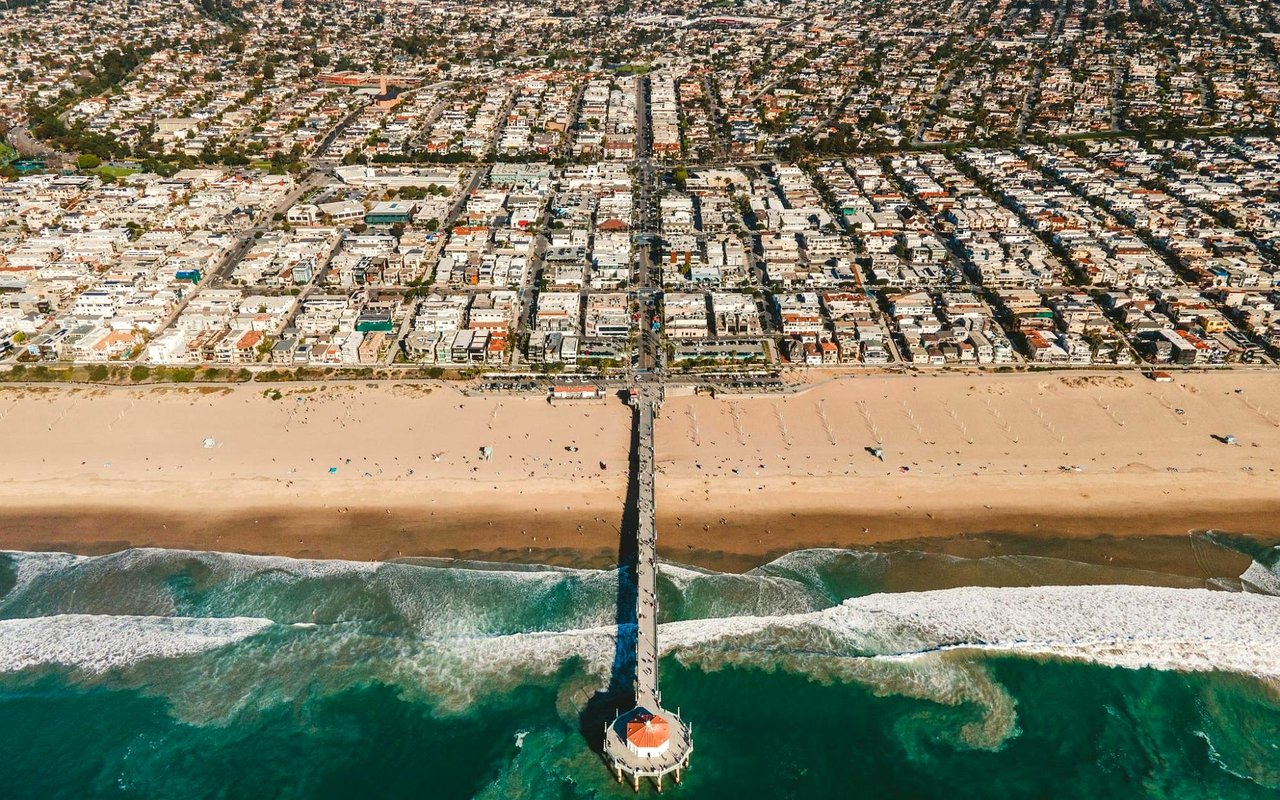
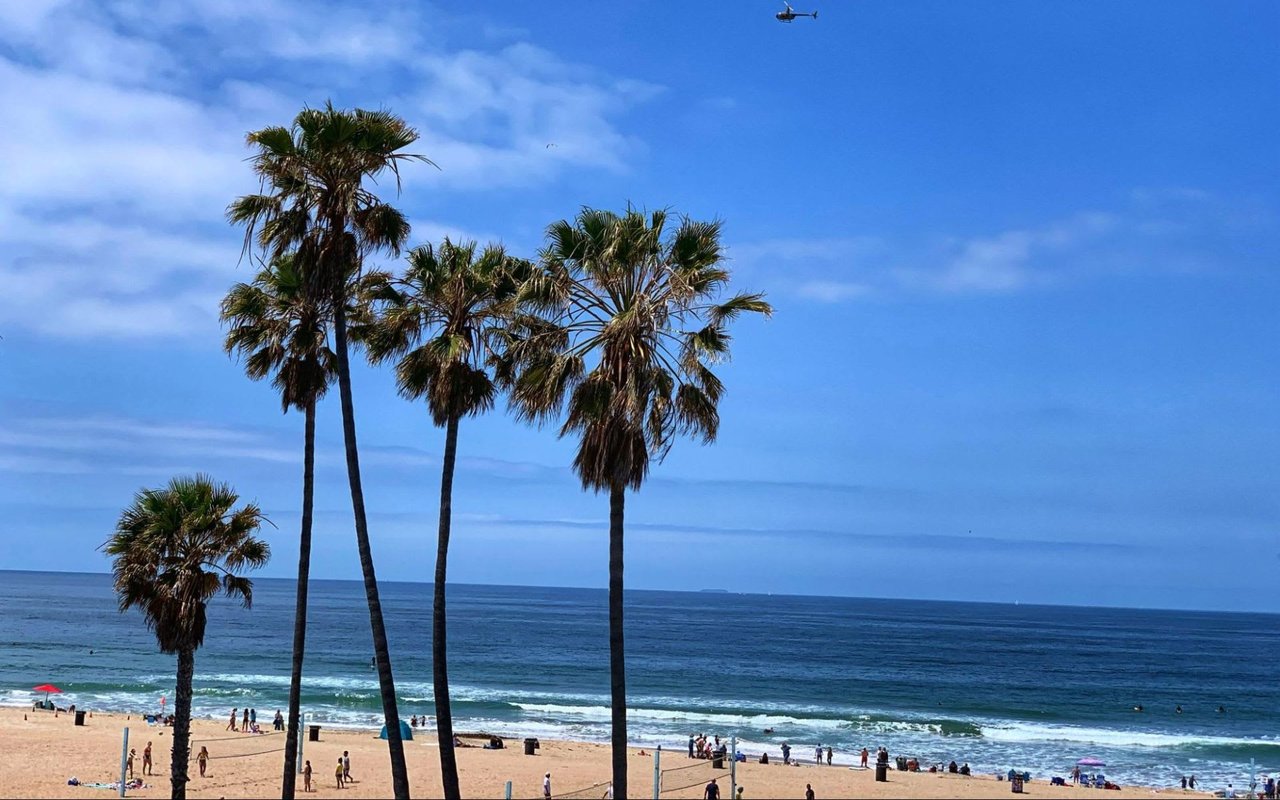
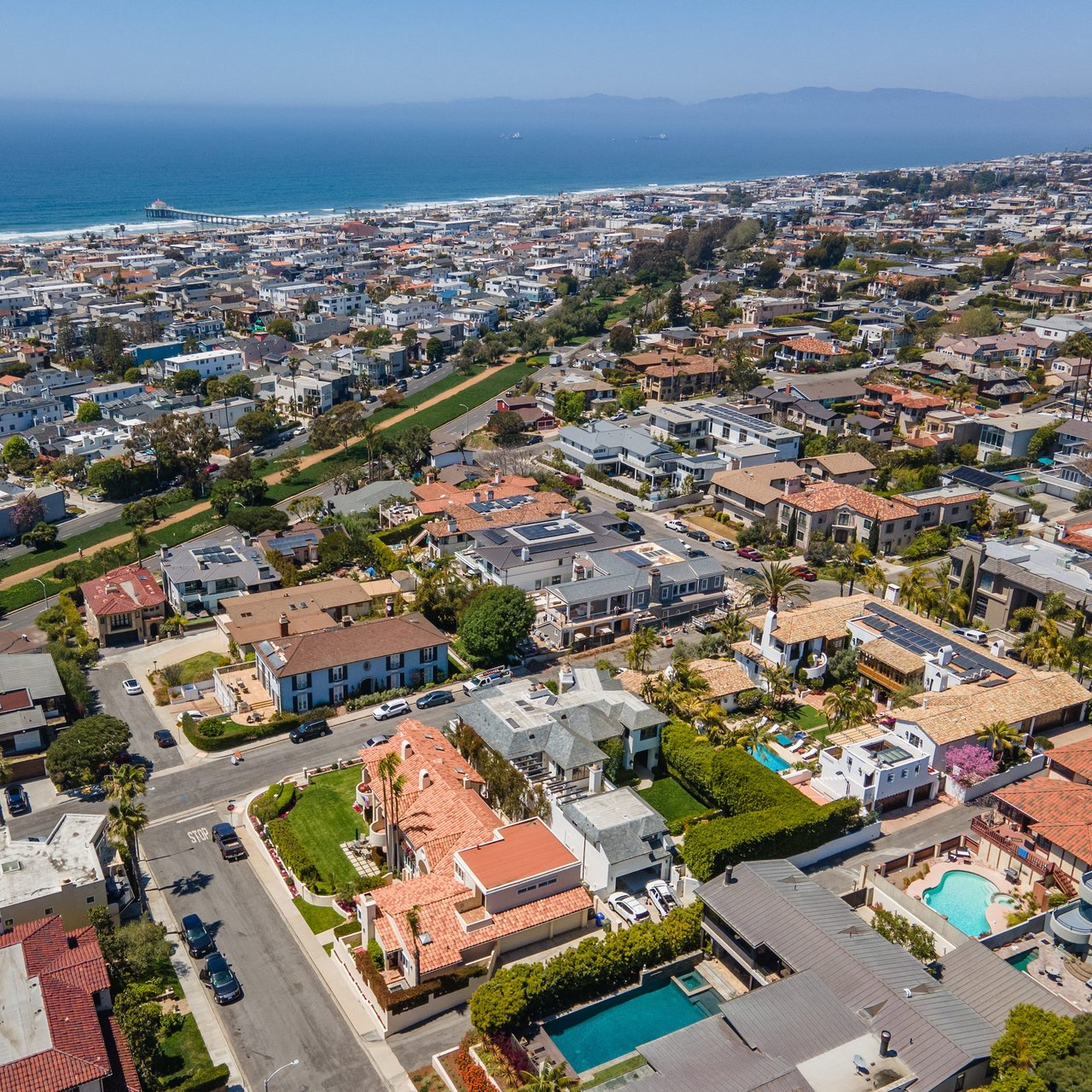
The Sand Section has a compact, coastal layout that shapes everyday life as much as the homes themselves. PLAN Hermosa describes the area as having small pedestrian-friendly blocks, a highly connected street network, and a mix of residential development with neighborhood commercial services.
That layout creates the walkable beach-town feel many buyers want. It also means lot patterns, alley access, and block-by-block differences can have a bigger impact here than they might in other neighborhoods.
Lot size and zoning matter here
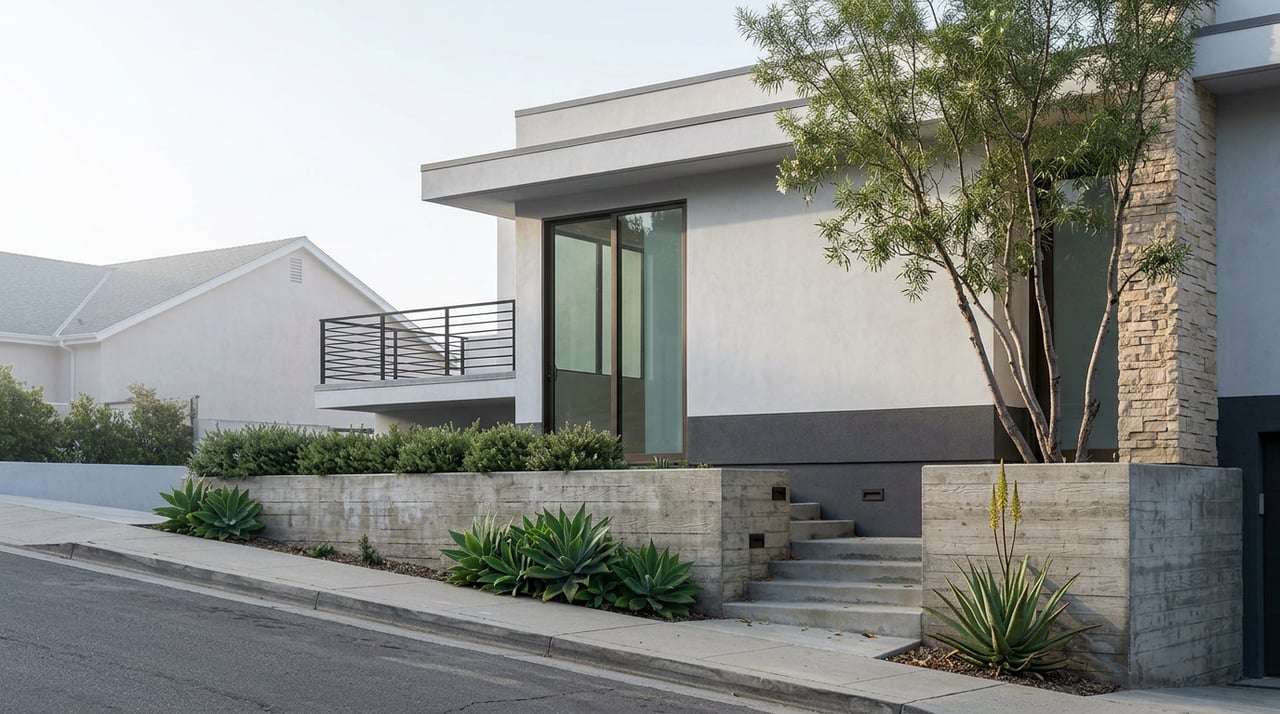
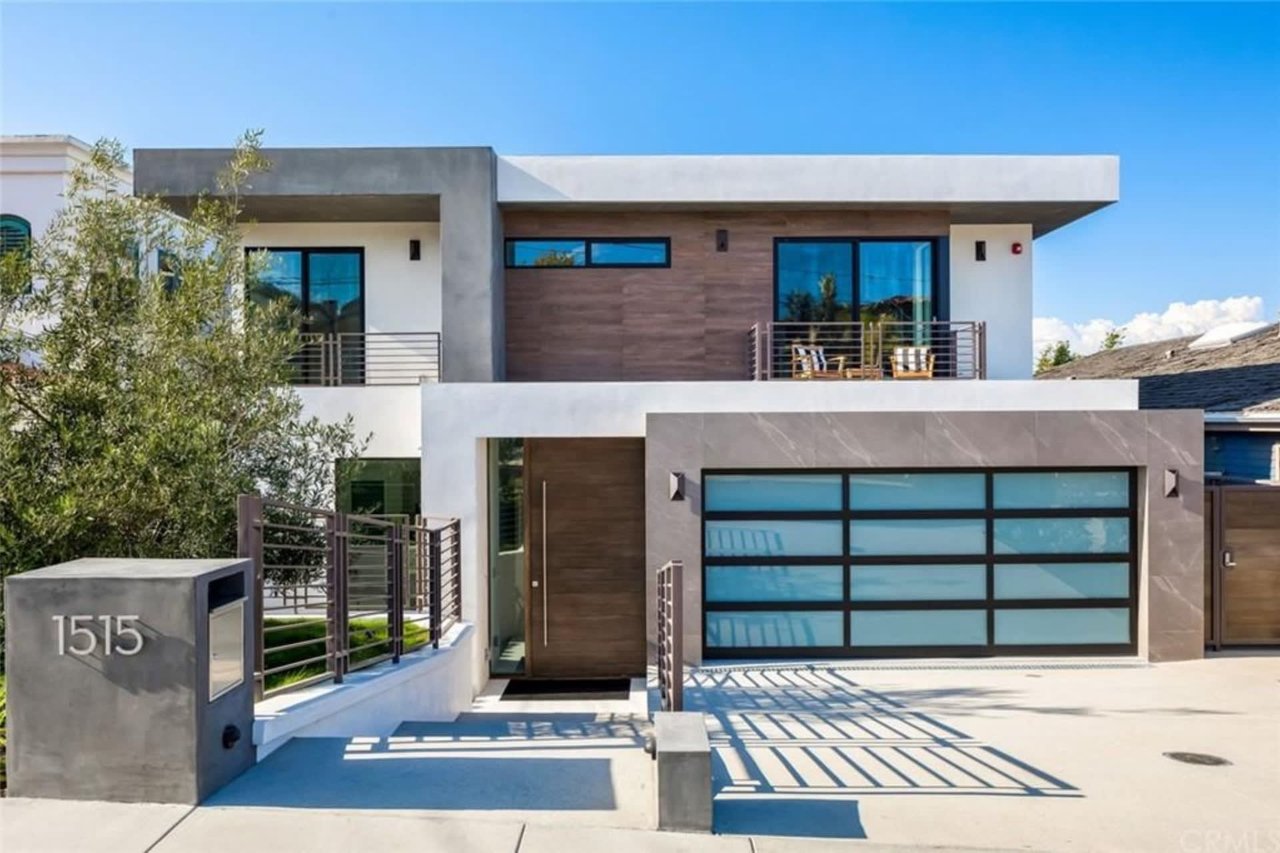
In the Sand Section, the size and shape of the lot can influence everything from design to parking to future remodel potential. Local market guides commonly describe many parcels as roughly 2,400 to 3,000 square feet and about 30 feet wide, although Strand parcels, corner lots, and assembled lots can be larger.
The city’s zoning framework also sets real limits on what can be built. Hermosa Beach caps residential height at 25 feet in R-1 and R-1A zones and 30 feet in R-2, R-2B, R-3, and R-P zones, with minimum lot area per dwelling-unit equivalent varying by zone.
If you are buying with renovation plans in mind, these rules deserve close attention early. A home that looks like an easy expansion opportunity may have a different path once height limits, lot area standards, and coastal rules are part of the conversation.
Parking is not a side issue
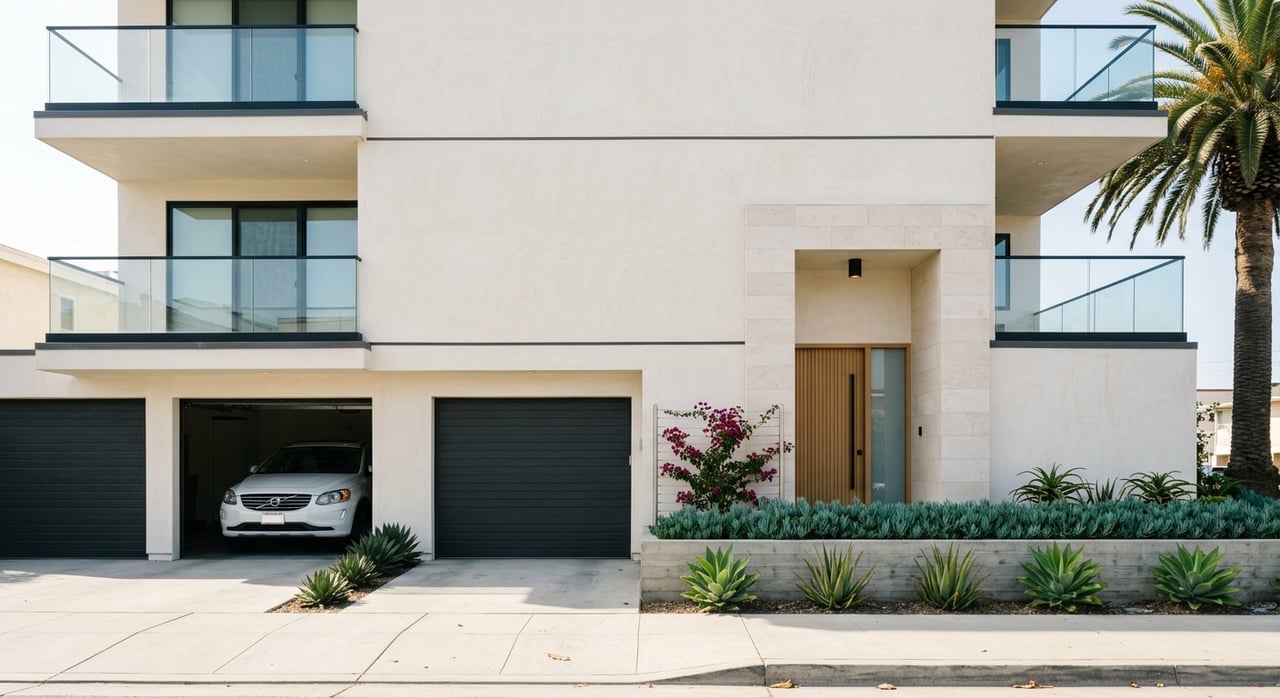
In Hermosa’s Sand Section, parking is part of the property itself, not just a convenience. Garage count, alley access, permit eligibility, and how the home functions on street-sweeping days can affect daily life as much as finishes or square footage.
That is partly because public parking near the beach is limited. PLAN Hermosa reports 428 spaces across Lots A, B, and C, with occupancy reaching 95 percent on weekend afternoons, and Zone 3 reaching 98 percent on weekend afternoons.
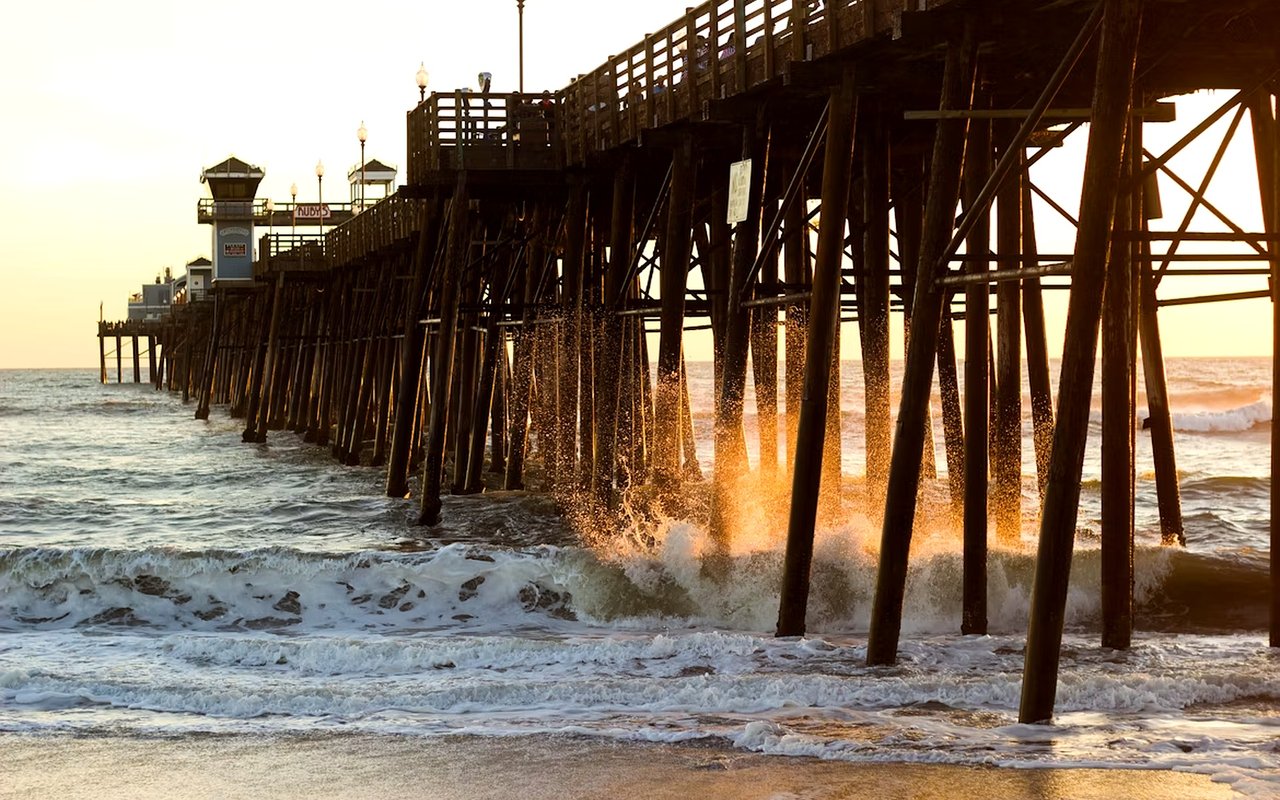
The city also notes that an average summer weekend can bring more than 100,000 people to the beach. During high-use periods, The Strand can become congested, which adds another layer to access and parking logistics.
Residential permits have limits as well. The city states that annual residential permits are available only to residents in the impacted parking area, are limited to three vehicles registered at an address, and that single-family homes can apply for a driveway permit that allows parking in front of the residence and blocking the driveway.
What to check before you buy
Before you move forward on a Sand Section home, it is smart to confirm a few practical details:
- How many enclosed or usable parking spaces the property has
- Whether access is from an alley, driveway, or street front
- Whether the address is eligible for residential parking permits
- How parking works for guests and service providers
- Whether street-sweeping or peak beach traffic will affect your routine
These details may sound small during a showing. In practice, they can become major quality-of-life factors once you live there.
Strand homes offer views and exposure
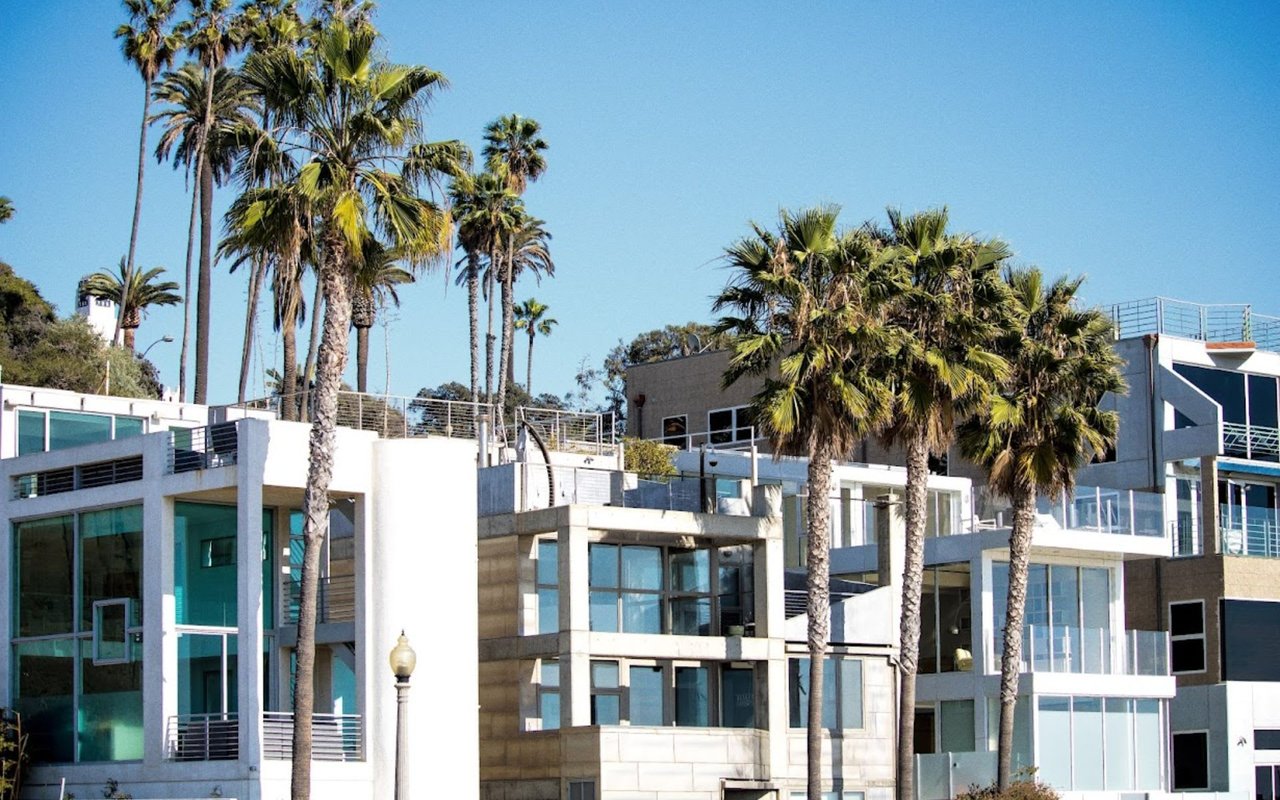
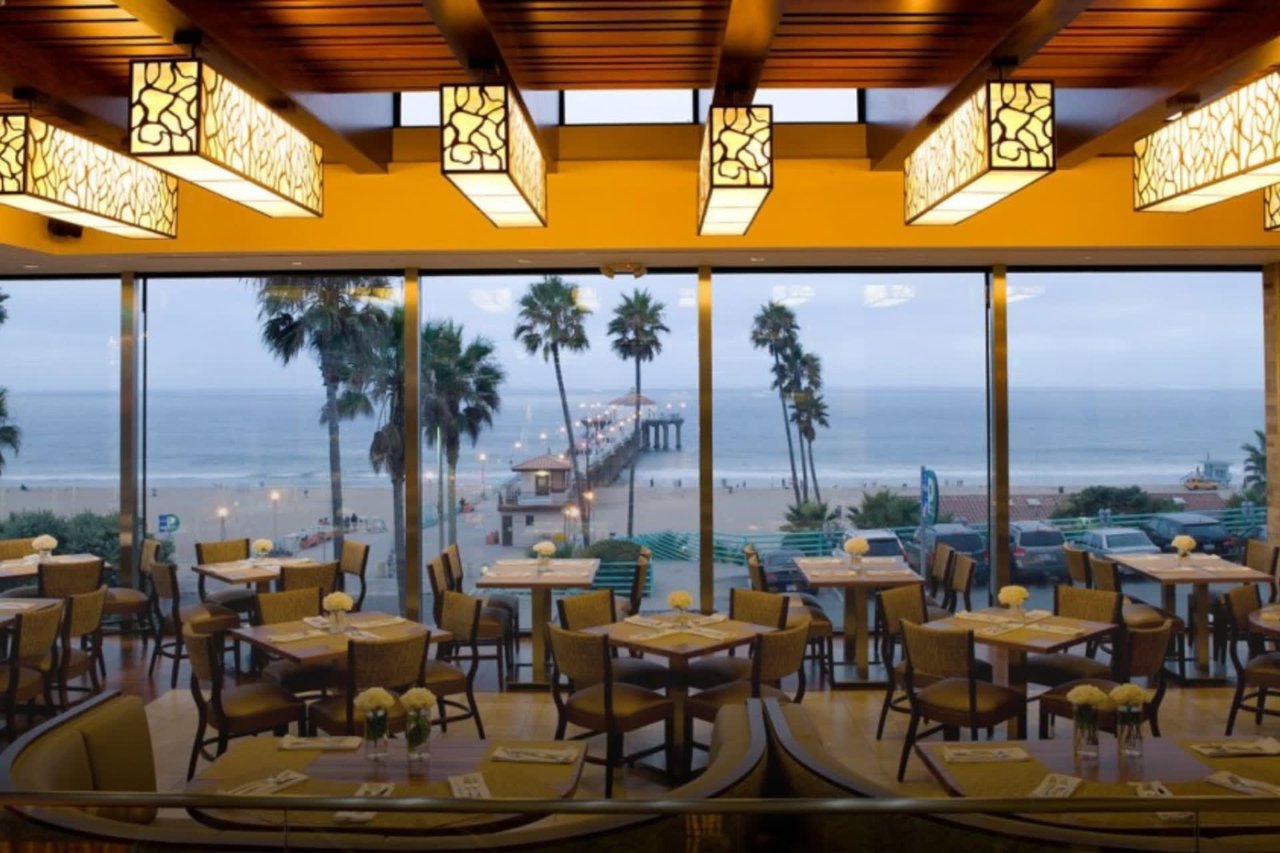
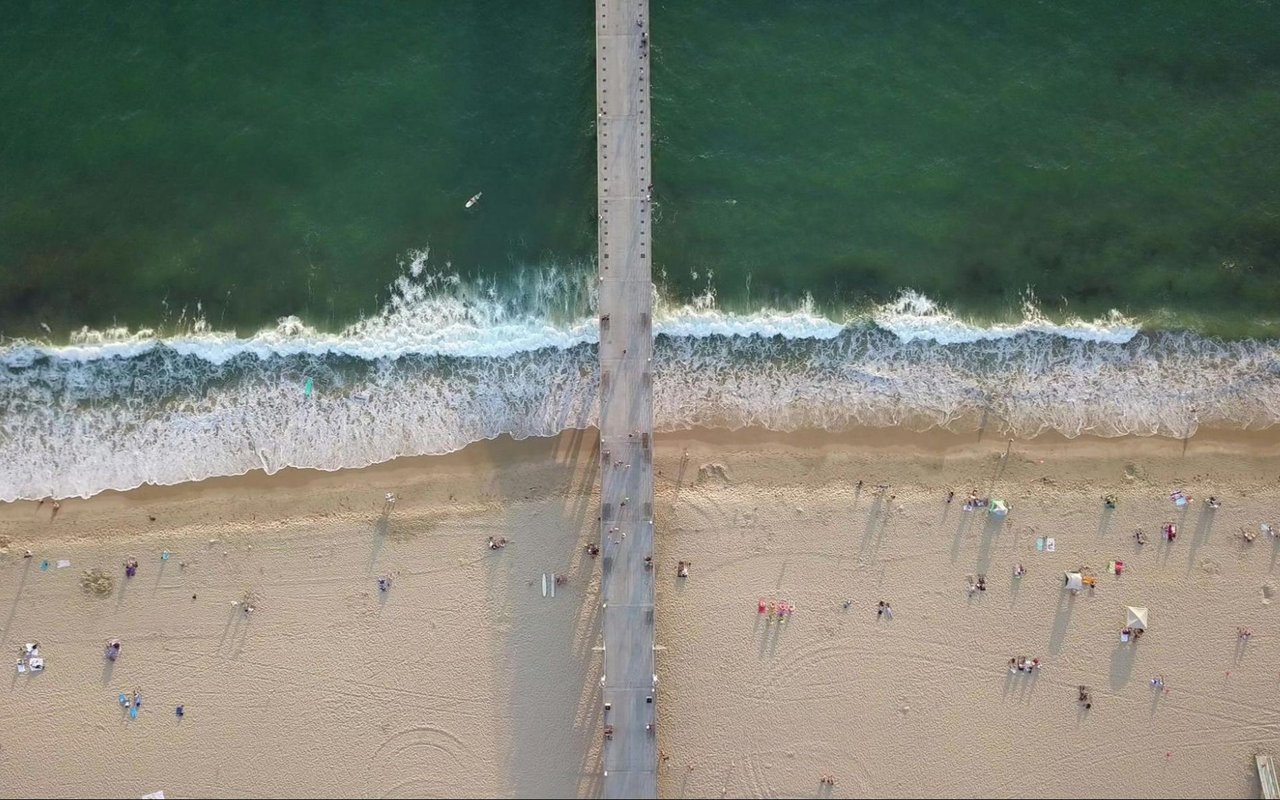
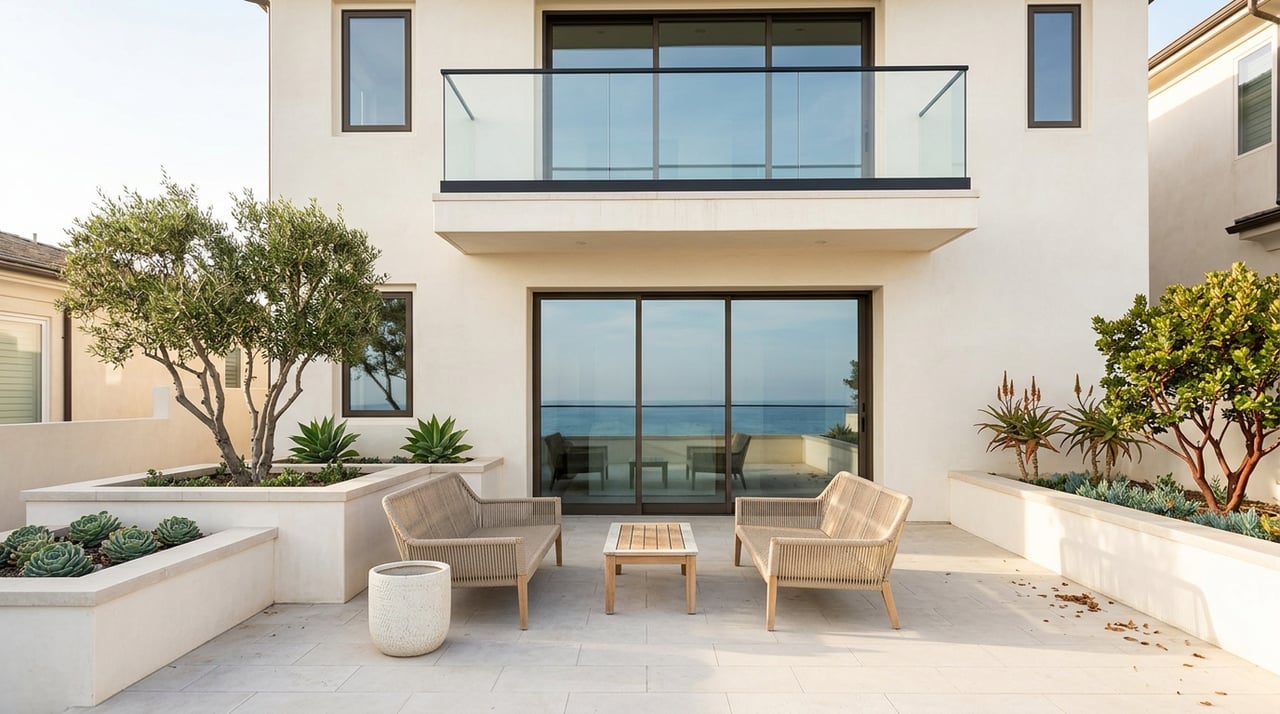
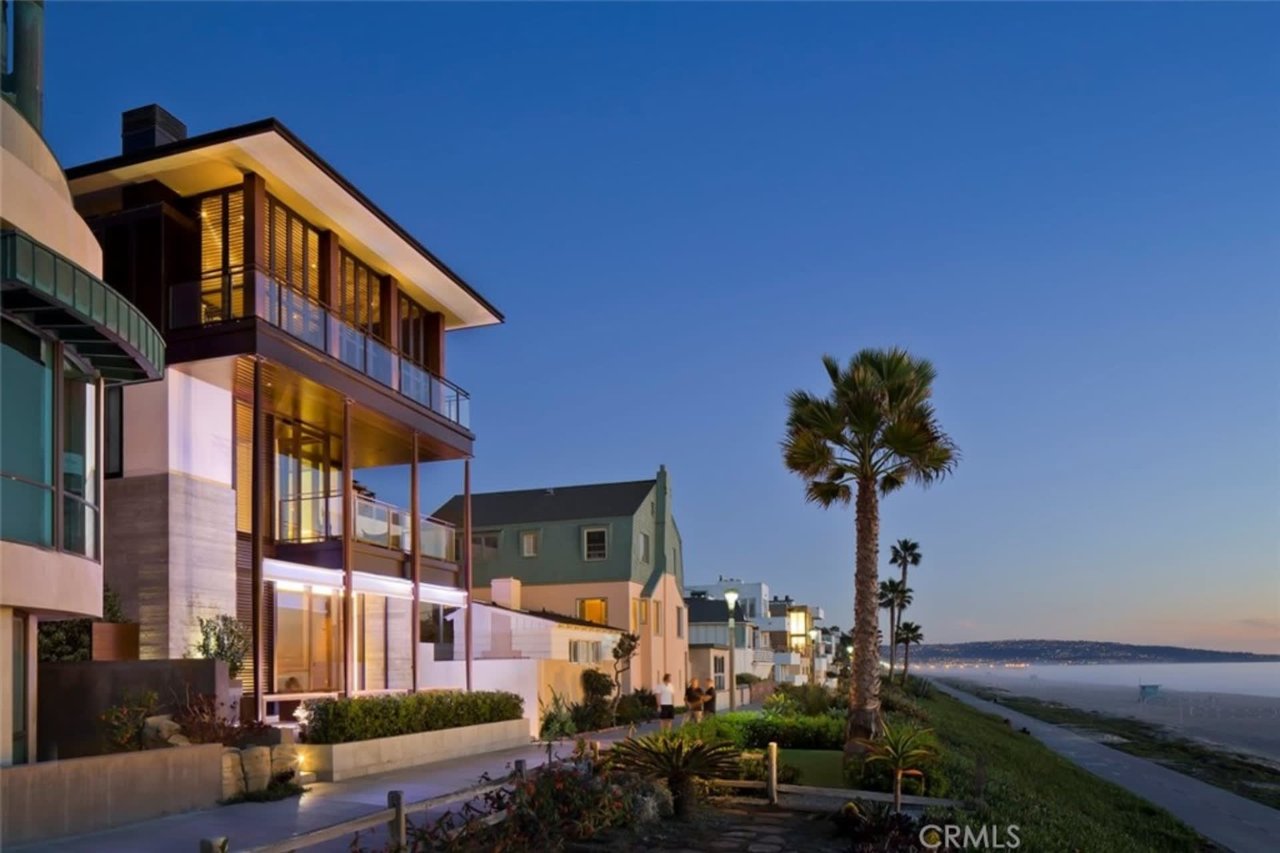
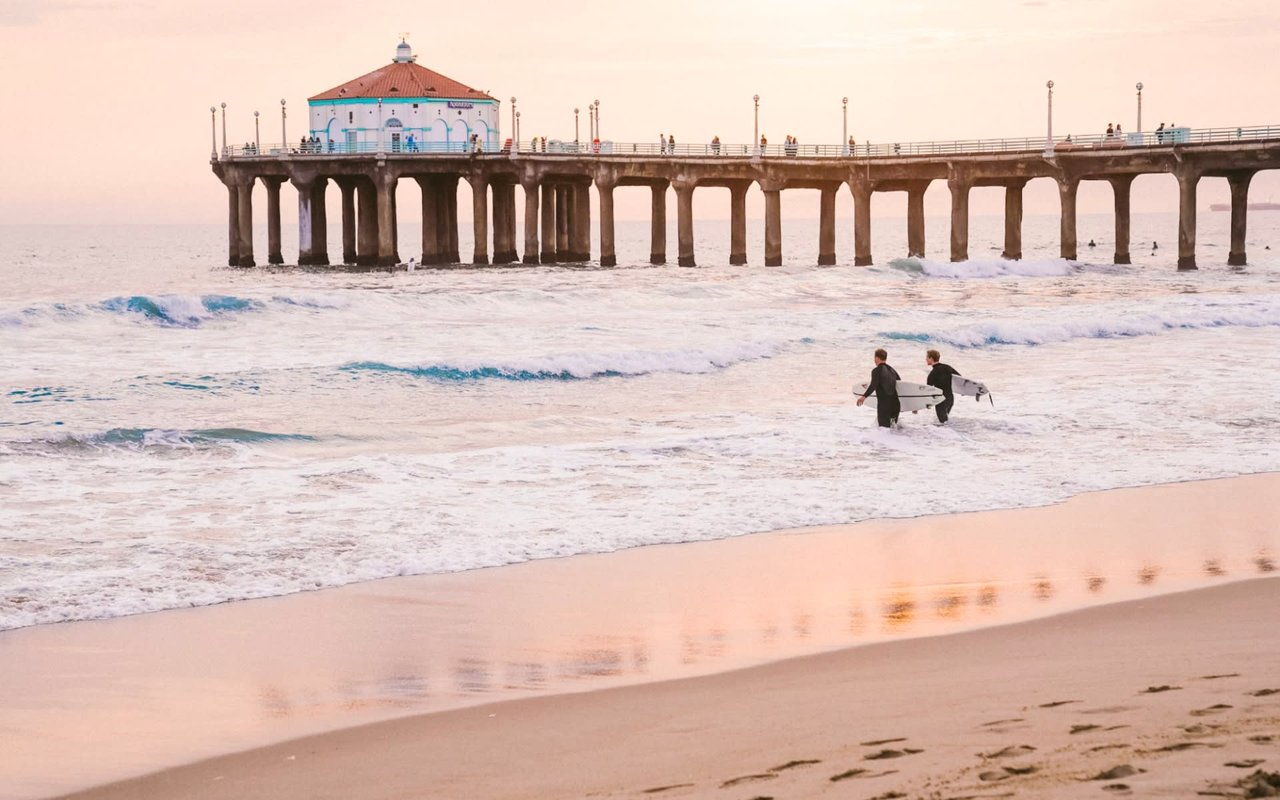
For many buyers, Strand frontage is the headline. PLAN Hermosa notes that Strand-front properties have sweeping ocean views and that living spaces are generally oriented toward those views.
That premium position helps explain the wide pricing range at the top of the market. Recent examples in the research include 1510 The Strand selling for $3.995 million in January 2026 and 2420 The Strand selling for $9.25 million.
But the Strand comes with tradeoffs too. The city describes it as a heavily trafficked, pedestrian-first space that can become congested during high-use periods, with an 8 mph limit and additional restrictions in the walk zone between 11th and 14th Streets when flashing lights are active.
If you are drawn to Strand living, it helps to be honest about your priorities. You may be paying for direct oceanfront position and strong view orientation, while accepting more public activity and less day-to-day separation from beach traffic.
Walk streets offer a different lifestyle
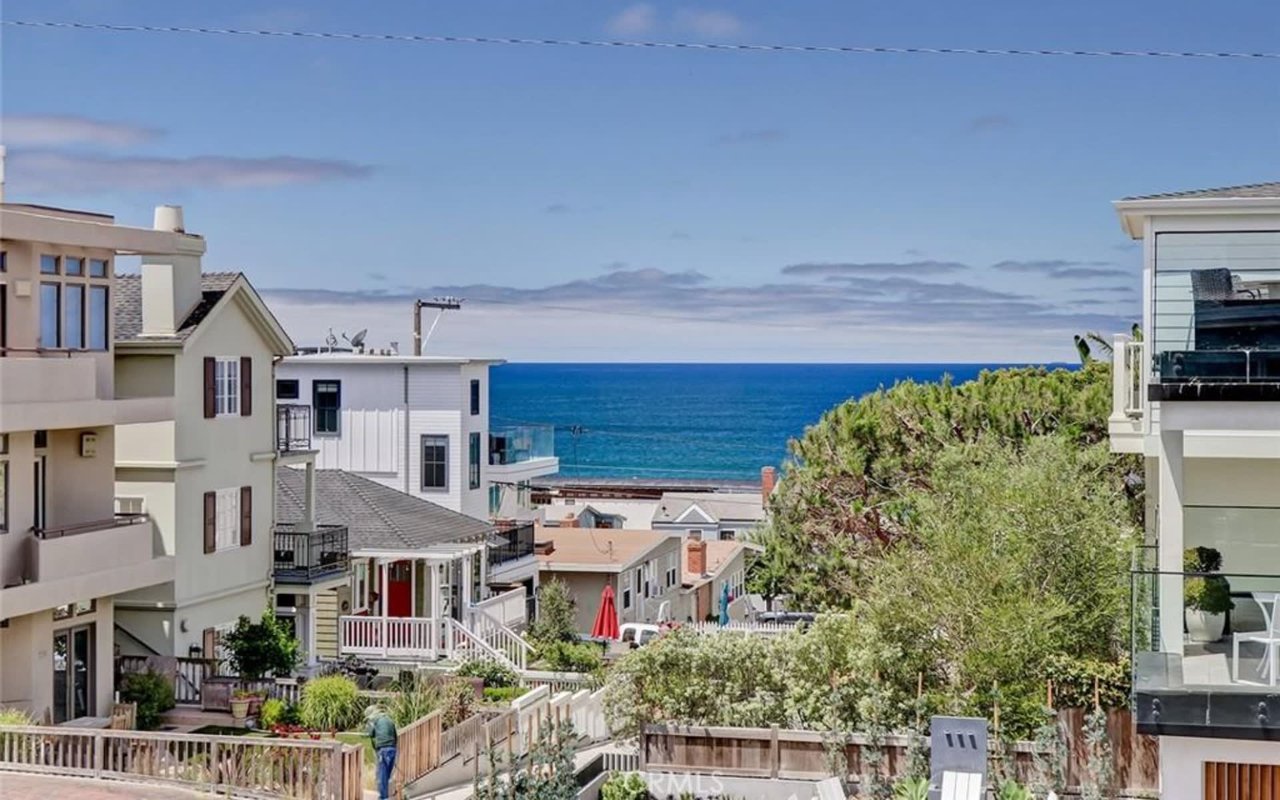
Walk streets are one of the Sand Section’s defining features. Hermosa Beach has 22 walk streets running perpendicular to Hermosa Avenue, generally spaced about 200 to 500 feet apart, and the city says they provide safe and easy pedestrian access to the beach.
Many walk-street parcels also benefit from both walk-street and alley access. PLAN Hermosa notes that porches, patios, or decks are often oriented toward the walk street or The Strand, while parking is tucked behind the house.
For some buyers, this is the sweet spot. You are still close to the beach, but often with a more residential feel, better privacy, and a layout that separates outdoor living from vehicle access.
North-end access is more limited
If you are looking north of 24th Street, access becomes more selective. The city reports that access points in that area include where The Strand crosses into Hermosa Beach and five walk streets, with gaps of 600 to 900 feet between access points, and no additional access points currently planned.
That limited access can contribute to scarcity and a different feel from other parts of the Sand Section. In a market where location nuances already matter, this is one more reason to compare homes block by block instead of relying on broad neighborhood assumptions.
Compare like with like
One of the biggest mistakes buyers make in the Sand Section is comparing homes too broadly. A Strand-front home, a walk-street home, and an off-Strand alley-access home may all be in the same general area, but they do not compete on equal terms.
The city’s own planning documents tie value drivers to view corridors, beach access, walk streets, and rear-access parking. That means your best pricing analysis usually comes from comparing similar positions and similar compromises, not from citywide averages alone.
Citywide, Hermosa Beach remained a seller’s market in March 2026. Realtor.com reported 60 homes for sale, a median list price of $2.50 million, about $1.1K median price per square foot, roughly 47 days on market, and a 97 percent sales-to-list ratio, while Redfin reported a March 2026 median sale price of $1.8 million and 57 days on market.
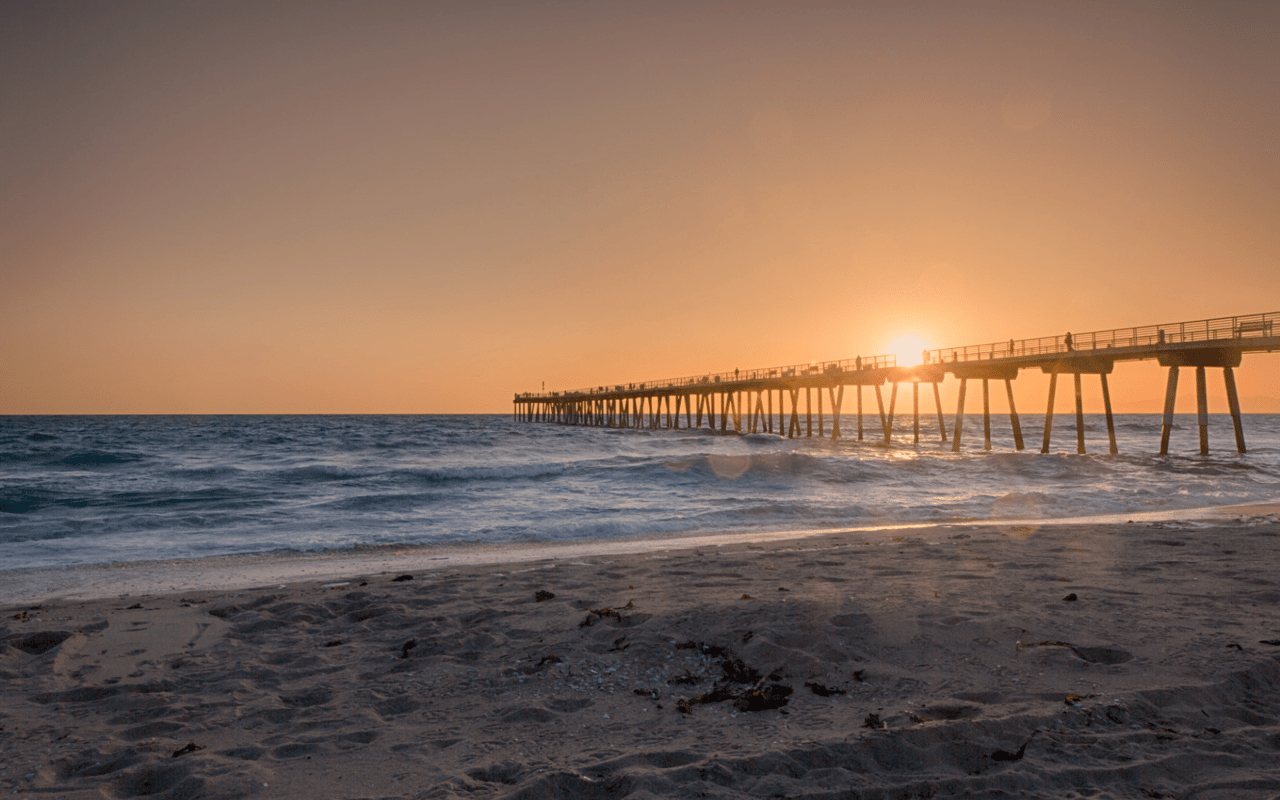
Those figures are useful for context, but Sand Section buying decisions are usually more specific than that. In this pocket, view quality, parking friction, lot orientation, and proximity to the Strand, Pier, or a walk street can shape both value and competition.
Remodeling plans need early review
If you are buying with plans to add on, rebuild, or substantially rework the home, start your due diligence early. In Hermosa Beach, local rules can affect both timing and scope.
The city’s Local Coastal Plan states that new development, a floor-area increase greater than 10 percent, a height increase greater than 10 percent, or a use intensification or change may require a Coastal Development Permit after city concept approval. Combined with local height limits, that can influence whether a project feels straightforward or more complex.
This does not mean a remodel is off the table. It means you should evaluate the property for what it is today, and also for what the city may allow tomorrow.
How to buy strategically in the Sand Section
A strong Sand Section purchase usually starts with clarity. Before you shop too far, decide which tradeoffs matter most to you.
Ask yourself:
- Do you want direct oceanfront position, or would you prefer more privacy?
- Is daily parking ease a must-have?
- Are you comfortable with seasonal traffic and pedestrian activity?
- Do you want a home to enjoy as-is, or one with future renovation potential?
- How important is proximity to the Pier, The Strand, or a specific walk street?
When you know your priorities, the search gets sharper. It also becomes easier to move quickly when the right property hits the market.
In a micro-market like this, local context matters. The value is not just in finding inventory. It is in understanding why one block commands more demand than the next, and which details will still matter to you after the excitement of the purchase wears off.
If you are considering a purchase in Hermosa’s Sand Section, working with a team that knows the South Bay at a granular level can help you weigh the tradeoffs, spot the meaningful differences between homes, and negotiate with a clearer strategy. Connect with Jen Caskey Group for tailored guidance on buying in Hermosa Beach.
FAQs
What makes Hermosa’s Sand Section different from other Hermosa Beach areas?
- The Sand Section is defined by small pedestrian-friendly blocks, a highly connected street network, beach access, and a mix of property positions such as Strand frontage, walk streets, and alley-access homes.
What should buyers know about parking in Hermosa’s Sand Section?
- Parking can be a major daily consideration because public parking near the beach is heavily used, residential permits are limited, and a home’s garage count, alley access, and permit eligibility can affect convenience.
What is the difference between Strand homes and walk-street homes in Hermosa Beach?
- Strand homes are typically valued for direct oceanfront position and strong views, while walk-street homes often offer close beach access with a more residential feel, rear parking access, and more day-to-day privacy.
Can you remodel or expand a home in Hermosa’s Sand Section?
- Possibly, but local height limits and Coastal Development Permit rules may affect what is allowed, especially for new development, larger additions, height increases, or certain use changes.
How should buyers compare home prices in Hermosa’s Sand Section?
- The best approach is to compare like with like, such as Strand to Strand or walk street to walk street, while weighing view quality, parking, lot orientation, and proximity to the beach and Pier.
Is Hermosa Beach a buyer’s or seller’s market right now?
- Based on the March 2026 data in the research, Hermosa Beach was still considered a seller’s market, although pricing and competition in the Sand Section can vary significantly by exact location and property type.