By Jen Caskey Group
California real estate comes with its own financial layers — and Mello Roos is one that surprises buyers more often than it should. Understanding what it is, how it's calculated, and where it applies is essential before making an offer anywhere in the state.
Key Takeaways
- Mello Roos is a special tax levied on properties within a Community Facilities District to fund public infrastructure and services
- Unlike property tax, Mello Roos is not based on a home's assessed value — it's a fixed charge that varies by district and parcel
- Mello Roos taxes are disclosed on a property's Preliminary Title Report and in the Natural Hazard Disclosure — buyers should review both carefully
- Most established Manhattan Beach neighborhoods are not subject to Mello Roos, but newer developments and some adjacent communities are
What Mello Roos Actually Is
Mello Roos takes its name from the two California legislators who authored the Community Facilities District Act of 1982. The legislation passed in the aftermath of Proposition 13, which limited how property tax revenue could fund new public infrastructure. Mello Roos created a mechanism for local governments and developers to finance services by levying a special tax on the properties that benefit directly.
How Mello Roos Works in Practice
- A Community Facilities District, or CFD, is formed by a local government or developer and approved by a two-thirds vote of property owners or registered voters within the proposed district
- Once established, the CFD issues bonds to fund public improvements — schools, sewer systems, roads, fire stations, and parks are among the most common projects
- Property owners within the CFD pay an annual special tax to service that bond debt, typically continuing for 25 to 40 years from the date bonds were issued
- The tax appears as a separate line item on the annual property tax bill — legally distinct from the base 1% property tax that applies to all California properties under Proposition 13
The key distinction from regular property tax is that Mello Roos is not tied to your home's assessed value. Two identical homes on the same street can carry different charges — or none at all — depending on whether they fall within a CFD.
How Much Does Mello Roos Cost?
There is no single answer — which is exactly why buyers need to investigate each property individually rather than relying on generalizations.
What Determines the Cost of Mello Roos
- Annual charges are set by the CFD based on factors including lot size, square footage, land use type, and total bond obligation of the district
- Typical annual assessments in Southern California range from a few hundred dollars to several thousand — in some newer master-planned communities, charges can exceed $5,000 annually
- Most CFD agreements allow for annual escalation of up to 2% per year, though specific terms vary by district
- Once the bonds are fully paid off, the tax ends — but with 25 to 40-year repayment periods, this is rarely a near-term consideration for buyers of newer properties
A $3,000 annual assessment compounds to $90,000 over 30 years before escalation — buyers should factor this into their total cost of ownership analysis.
How to Find Out If a Property Has Mello Roos
California law requires sellers to disclose Mello Roos taxes, but the responsibility for identifying and understanding them falls primarily on the buyer and their agent.
Where to Look for Mello Roos Disclosure
- The Preliminary Title Report issued during escrow identifies any CFD or special assessment districts associated with the property — the most reliable document for confirming Mello Roos status
- The Natural Hazard Disclosure report, required of sellers in California transactions, includes a section on special tax and assessment districts
- Los Angeles County's assessor portal allows buyers to search by parcel number to confirm CFD status and annual charges
- Request the most recent property tax bill for any home you're seriously considering — Mello Roos appears as a separate line item with the current annual amount
Never rely on a seller's verbal representation that a property has no Mello Roos — confirm independently through the title report and tax records before removing contingencies.
Mello Roos in Manhattan Beach and the South Bay
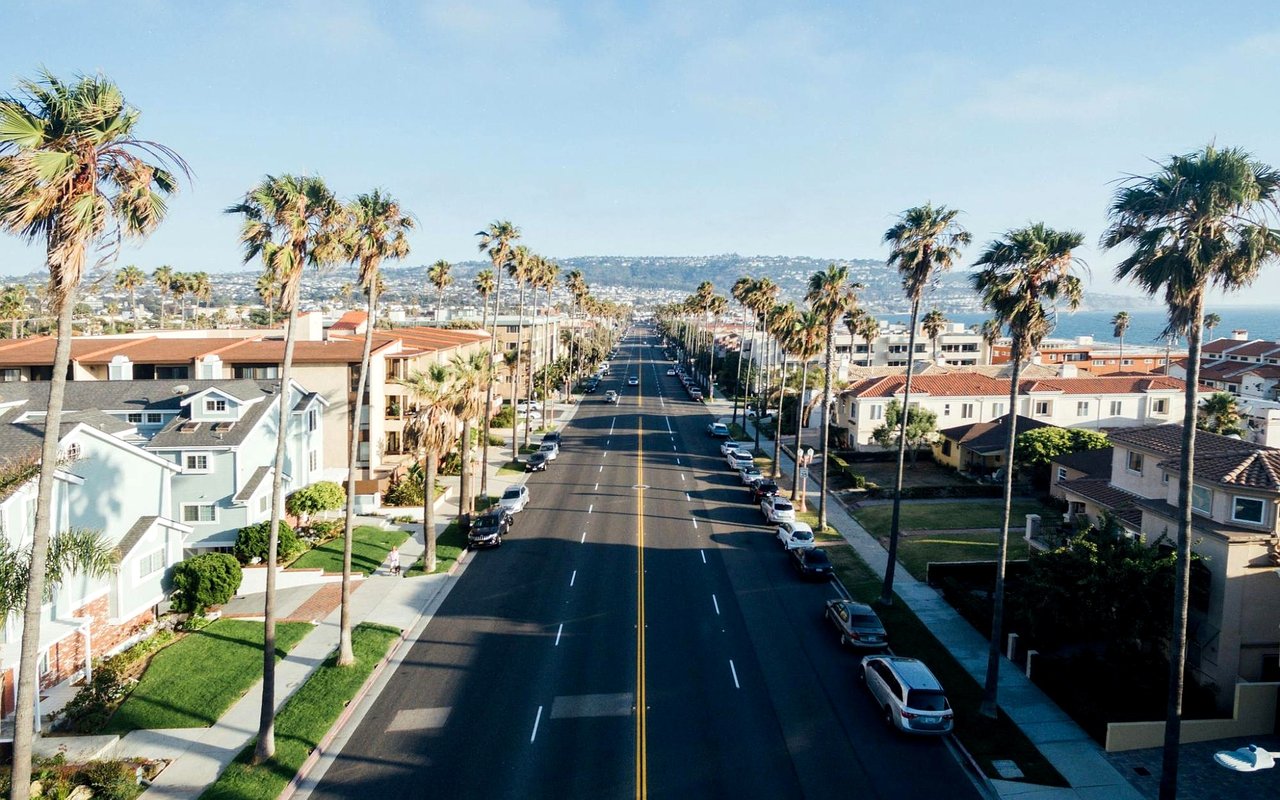
Most of Manhattan Beach's housing stock was developed well before the Mello Roos era, and the city's established neighborhoods are largely exempt from CFD assessments.
What South Bay Buyers Should Know
- The vast majority of Manhattan Beach's single-family neighborhoods have no Mello Roos — the city's development history predates the Community Facilities District Act
- Some newer developments in adjacent South Bay cities — portions of Torrance, Carson, and communities further inland — may carry Mello Roos assessments
- Buyers expanding searches beyond Manhattan Beach into newer construction should investigate Mello Roos status as a baseline step before making any offer
- Condominium developments and newer attached housing in the broader South Bay are more likely to carry CFD assessments than detached single-family homes in established neighborhoods
For buyers focused on Manhattan Beach, Mello Roos is rarely a factor — but it becomes more relevant as searches extend to newer communities or adjacent areas.
FAQs About Mello Roos in California
Is Mello Roos tax-deductible?
Mello Roos taxes that fund general government services — police, fire, parks — are typically deductible as property tax on federal returns. Charges for funding specific local benefits are generally not deductible. Consult a tax professional, as deductibility varies by CFD component.
Can Mello Roos be paid off early?
In many cases, yes. Some CFDs allow a lump-sum payoff of the remaining obligation. This option is not available in all districts and must be confirmed directly with the CFD.
Does Mello Roos transfer to the buyer at sale?
Yes. Mello Roos is attached to the land, not the owner. When a property sells, the full obligation transfers to the new owner — neither buyer nor seller can negotiate this away.
Know What You're Buying Before You Buy It
Understanding every layer of a California home purchase is exactly the kind of expertise the Jen Caskey Group brings to every transaction. Consistently ranked among the top teams in Manhattan Beach, Hermosa Beach, and Redondo Beach, we combine 30 years of local luxury market knowledge with savvy negotiation and a personalized, boutique approach. With over $260 million closed and in escrow in 2025, our track record is built on clients who become friends — and friends who become clients.
Connect with the Jen Caskey Group today.
Connect with the Jen Caskey Group today.